

To support our research and detailed appliance reviews, we may earn a small commission from qualifying purchases made through our links, at no extra cost to you. As an Amazon Associate, I earn from qualifying purchases.
To support our research and detailed appliance reviews, we may earn a small commission from qualifying purchases made through our links, at no extra cost to you. As an Amazon Associate, I earn from qualifying purchases.
Feeling safe at home or work is a basic health need. When you sleep, relax, or care for family, you want reliable protection 🔒. That is where mechanical locks play a vital role.
These simple devices use physical parts, not electronics, to control access. They protect your doors, cabinets, lockers, and safes. Yet many people never learn how they really work.
Understanding the different types of mechanical locks can help you:
- Choose safer options for your home and family
- Reduce anxiety about break-ins or theft
- Protect medicines, documents, or dangerous items from children
- Support better sleep and peace of mind 😌
In this guide, you will learn how the main types of mechanical locks work, where they fit best, and how each one can support safety and health in daily life.
How do mechanical locks work in simple terms?
At their heart, these locks use moving parts that must line up in a precise way.
- A key, dial, or knob moves the internal parts.
- When the parts align correctly, the lock’s bolt can move.
- When they do not align, the bolt stays in place, and the door remains locked.
This simple physical principle has protected homes and valuables for centuries.
Now let’s explore seven key types, and how they work for real-world safety and well-being.
1. Pin Tumbler Locks: The Classic Front-Door Protector
Pin tumbler locks are the familiar style on many front doors. You insert a key, turn, and the door opens. They are common because they blend good security with everyday convenience.
How pin tumbler locks work
Inside the cylinder are stacks of tiny pins. Each stack usually has two pins: a key pin and a driver pin.
- The key’s cuts push each key pin to a height that aligns the pins.
- When every pin stack splits exactly at the “shear line,” the cylinder can rotate.
- If even one stack is misaligned, the cylinder stays fixed.
This precise alignment makes the lock open only for that key.
Where mechanical locks protect your health and safety
Pin tumbler locks are often used on:
- Main entry doors
- Apartment doors
- Interior office doors
When they are installed correctly and paired with a solid door, they can:
- Lower the risk of forced entry
- Help protect against violent intrusion, which can threaten physical health
- Support mental health by reducing fear and hypervigilance
Real-life example: A family upgrades an aging, loose front-door lock to a modern pin tumbler deadbolt. Break-in attempts drop in their area. They report better sleep and less worry at night 🏠.

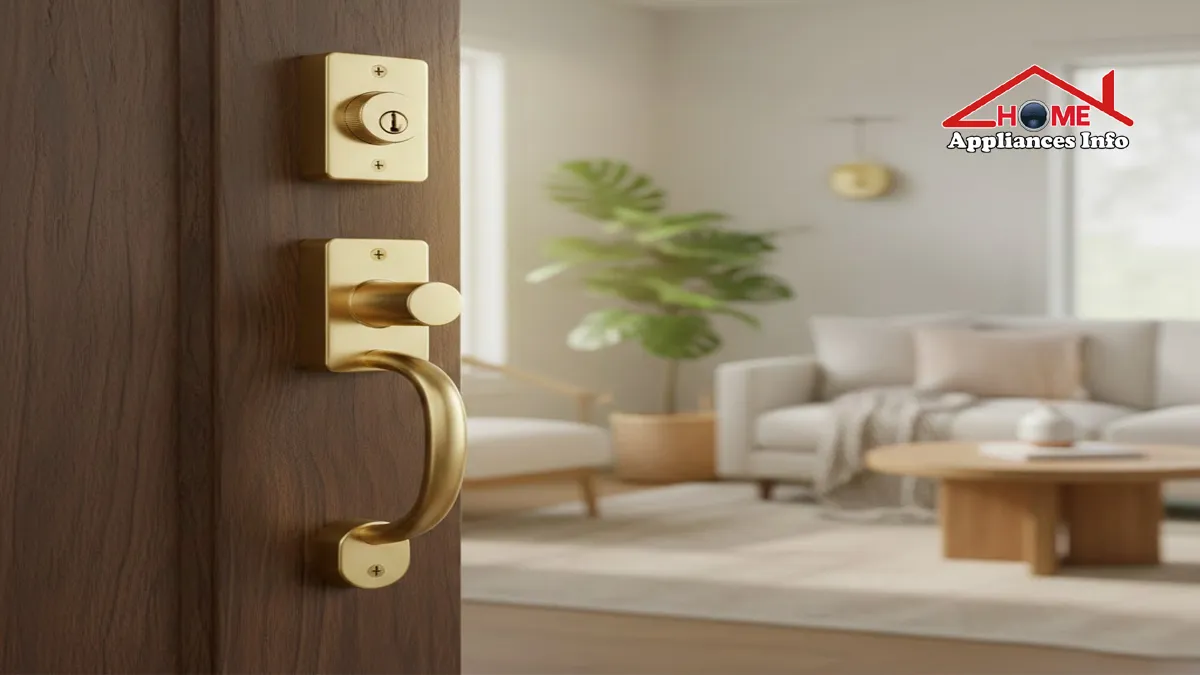
2. Deadbolt Locks: Extra Strength for Peace of Mind
Deadbolts are a stronger partner to the basic latch on many doors. They use a solid metal bolt that extends deep into the door frame.
How deadbolt locks work
Deadbolts can be single-cylinder (key outside, thumb turn inside) or double-cylinder (key on both sides).
- Turning the key or thumb turn slides a heavy bolt into the door frame.
- Unlike a spring latch, the bolt does not retract when someone pushes on the door.
- This makes kicking or prying the door much harder.
Deadbolts are a popular type of mechanical lock for exterior doors.
Health and well-being benefits
Stronger locks can support safety and health in several ways:
- They reduce the chance of home invasion, which can cause physical harm.
- They may lower anxiety in people who have experienced burglary or trauma.
- They help protect medications, important documents, and medical devices.
If you live with children or older adults, a solid deadbolt can also slow unwanted exits. This gives you vital time to respond and protect loved ones.
3. Mortise Locks: Heavy-Duty Security for Busy Spaces
Mortise locks are common in older homes, schools, and some hospitals. They sit inside a pocket cut into the door, rather than on the surface.
How mortise locks work
A mortise lock is a compact metal case that slides into the door. It often combines a latch and a deadbolt.
- The key or handle moves internal levers and a heavy bolt.
- Some designs use both a latch for daily use and a deadbolt for extra security.
- The lock body is anchored deep in the door, which resists force.
Because of their robust build, mortise locks are still respected among security experts.
Why they matter in health-related settings
Mortise locks are often used in:
- Clinics and small medical offices
- Older hospitals and care facilities
- Shared buildings with heavy foot traffic
They can help:
- Keep treatment rooms private and secure
- Protect controlled substances and medical records
- Reduce unauthorized access to equipment that could cause injury
In environments where vulnerable people receive care, steady, reliable door locks help staff focus on treatment, not constant security worries.
4. Lever Handle Locks: Accessibility and Safety in One
Lever handle locks use a horizontal handle instead of a round knob. They are easier to operate for many people, including those with limited grip strength.
How lever handle locks work
Inside, many lever handle locks still use pin tumblers or similar mechanisms. The difference is in how you operate the latch.
- Pressing the lever pulls the latch back from the strike plate.
- A keyed cylinder or privacy button controls when the lever can move.
- The internal lock mechanism may be similar to a standard door lock.
Lever locks are especially important for accessibility and injury prevention.
Health and accessibility benefits
Lever handles support:
- People with arthritis or weak grip
- Older adults who struggle with small knobs
- Children, who may open doors more safely with a lever
Safer access can reduce falls, shoulder strain, and frustration. This supports independent living and dignity.
Many building codes and healthcare guidelines encourage lever handles in hospitals, clinics, and care homes. That shows how deeply door hardware can connect to health.
5. Padlocks: Portable Protection for Everyday Health
Padlocks are small, portable locks with a U-shaped shackle. They secure gates, sheds, lockers, and storage units.
How padlocks work
Padlocks come in keyed or combination versions. Keyed versions may use pin tumblers or disc mechanisms.
- In keyed padlocks, the key aligns internal parts, releasing the shackle.
- In combination padlocks, correct numbers align discs or wheels inside.
- When aligned, the shackle can be pulled free and the lock opens.
These locks are flexible and can be moved wherever you need protection.
Health-related uses of padlocks
Padlocks can help protect:
- Garden sheds that store tools, chemicals, or fertilizers
- Home gyms with heavy equipment that could injure children
- Lockers with medical supplies or personal health items
Real example: A parent locks a backyard gate with a sturdy padlock. This slows young children from accessing a pool area unsupervised, supporting drowning prevention and home safety 🌊.
6. Cam Locks: Small Locks with Big Responsibility
Cam locks are compact locks often seen on cabinets, mailboxes, and drawers. They use a rotating metal “cam” to secure the door.
How cam locks work
The main parts are a cylinder and a flat metal arm called a cam.
- Turning the key rotates the cam behind the door or drawer.
- When turned, the cam either blocks or frees the door.
- Some versions can be keyed alike, using one key for several units.
Cam locks may look simple, but they can guard very sensitive items.
Protecting health at home and work
Cam locks are ideal for securing:
- Medicine cabinets, to prevent accidental poisoning in children 👶
- Office drawers holding health records or confidential notes
- Home files with insurance and medical paperwork
Trusted organizations emphasize that locked storage supports safer homes. For example, the CDC shares detailed guidance on home safety, including keeping harmful items away from children.
Using cam locks on the right cabinets adds a simple but meaningful layer of protection.
7. Mechanical Combination Locks: Security Without a Key
Mechanical combination locks use number dials or push buttons instead of keys. You open them by entering a specific code.
How mechanical combination locks work
There are two main designs.
Dial combination locks:
- You turn a dial through a set sequence of numbers.
- Internal wheels align when the correct combination is entered.
- When aligned, a bar can drop into place, releasing the bolt or shackle.
Push-button combination locks:
- Pressing certain buttons sets internal pins or levers.
- The correct pattern allows the latch or bolt to move.
- Wrong combinations leave parts misaligned, keeping the lock closed.
These types of mechanical locks are useful when you want secure access without managing physical keys.
Health and lifestyle benefits
Mechanical keypads and dials can:
- Reduce the stress of lost keys, especially for people with memory issues
- Allow safe, timed access for caregivers or health workers
- Limit contact with shared keys, which may reduce germ transfer
In some settings, a keypad on a medication room or staff area keeps patients safe while still allowing quick access during emergencies. That balance is vital for health outcomes.
Comparing 7 Types of Mechanical Locks at a Glance
This table compares the main types of mechanical locks we have discussed. It focuses on daily use, safety, and well-being benefits.
| Lock type | Best for | Typical security level | Ease of use | Health / well-being benefit |
|---|---|---|---|---|
| Pin tumbler lock | Standard home and office doors | Moderate to high (depends on quality) | Easy once keyed | Basic protection that reduces daily worry |
| Deadbolt lock | Main exterior doors | High against forced entry | Simple turn or key | Stronger protection for families and valuables |
| Mortise lock | Older buildings, busy facilities | High and durable | Moderate; often professionally installed | Reliable security in clinics and shared spaces |
| Lever handle lock | Homes with seniors or limited mobility | Varies; often similar to pin tumbler | Very easy, accessible | Safer access, fewer strain injuries |
| Padlock | Gates, sheds, lockers | Low to high (wide range) | Easy; portable | Protects tools, chemicals, and equipment |
| Cam lock | Cabinets, drawers, mailboxes | Low to moderate | Easy; small key | Secures medicines and sensitive records |
| Mechanical combination lock | Safes, keyless entry doors | Moderate to very high | Easy if combination is known | Key-free access, helpful for memory or germ concerns |
How Do These Locks Support Mental Health and Well-Being?
Security hardware might seem purely technical. Yet it strongly affects emotional and physical health.
Here are some key connections:
- Safer doors and cabinets reduce the risk of injury and violence.
- Feeling protected at home supports restorative sleep and stress recovery.
- Controlled access to medications limits overdose and poisoning risks.
- Clear boundaries, like locked spaces, help some people feel calmer and more grounded.
Many health experts highlight the value of stable routines and safe environments. For example, the Sleep Foundation discusses how sleep health depends on feeling secure enough to relax at night. Strong, reliable locks contribute to that sense of safety.
When you select among the types of mechanical locks, you are not only choosing hardware. You are shaping your daily stress level and your family’s long-term well-being.
Practical Tips for Choosing the Right Lock
Here are simple, health-focused questions to guide your choice.
Ask yourself:
- Who needs to open this door or cabinet?
- Do they have arthritis, weakness, or memory issues?
- What am I protecting: people, medicines, documents, or equipment?
- Could a child or person in crisis be harmed if this opens easily?
Then match your answers to a lock type:
- For exterior doors: A quality deadbolt plus a pin tumbler or mortise lock.
- For older adults: Lever handle locks that do not require tight gripping.
- For medicines or chemicals: Cam locks or small padlocks on cabinets.
- For shared access without keys: Mechanical combination locks on selected doors or safes.
If you handle sensitive health information or controlled substances, also review official injury prevention and safety resources. They often encourage layered security that includes proper locks, clear procedures, and staff training.
FAQs
What are mechanical locks?
They are locks that use physical parts, like pins and bolts, instead of electronics. You operate them with a key, dial, or buttons.
How do mechanical locks work compared to smart locks?
They rely on moving metal parts and precise alignment, not batteries or software. They remain functional during power cuts or network failures.
Are deadbolts really safer than standard knob locks?
Yes, usually. Deadbolts use a solid bolt that extends deeper into the frame. That makes forced entry much harder.
Which type of lock is best for a medicine cabinet?
A small cam lock or sturdy padlock usually works well. Both can prevent children or visitors from accessing dangerous medicines.
What if someone in my home has arthritis?
Lever handle locks are often the easiest. They require less grip and twisting, which can reduce pain and strain.
Can better locks actually reduce stress?
Many people feel calmer and sleep better when their home feels secure. Reliable locks can lower daily anxiety about safety.
Conclusion
Modern life brings many stressors. Worry about basic safety should not be one of them. Thoughtful use of mechanical locks helps protect your home, your health, and your peace of mind ❤️.
By understanding these seven types and how they work, you can match the right lock to each space:
- Strong deadbolts and mortise locks for doors
- Accessible lever locks for people with mobility limits
- Padlocks and cam locks for tools, medicines, and records
- Mechanical combination systems where key-free access makes sense
When you choose wisely, each lock becomes more than metal and bolts. It becomes part of a safer environment that supports better sleep, lower stress, and reduced risk of injury.
Take a few minutes to walk through your home, office, or care setting today. Notice where a better lock could protect a vulnerable person or a vital item. Replacing even one weak lock can be a meaningful step toward a safer, healthier life.

🌐 FOUNDER & DIGITAL PUBLISHER
Muhammad Ali
Founder | SEO Strategist & E-E-A-T Digital Publishing Specialist

📈 SEO Strategy
🛠️ Appliance Optimization
🛡️ E-E-A-T Standards
Muhammad Ali is a digital publisher, SEO strategist, and founder of Home Appliances Info. He specializes in home appliance optimization, structured schema networks, and advanced E-E-A-T digital publishing standards to ensure accurate, trustworthy content across the platform.
2 Comments
Pingback: Ceiling Fans with Lights: 10 Amazing Models for Healthier, Cooler Rooms
Pingback: Deadbolt Locks: 7 Ultimate Picks for Secure Home Protection