

To support our research and detailed appliance reviews, we may earn a small commission from qualifying purchases made through our links, at no extra cost to you. As an Amazon Associate, I earn from qualifying purchases.
To support our research and detailed appliance reviews, we may earn a small commission from qualifying purchases made through our links, at no extra cost to you. As an Amazon Associate, I earn from qualifying purchases.
If you care about a healthy, comfortable home, even small details matter. The handles you touch. The light switches you press. The buttons on your appliances.
Infrared switches are appearing in more modern homes, and they do more than just look high‑tech. These touch‑free sensors can actually support better hygiene, safety, and even peace of mind. 🌿
Many people still think of them as a luxury feature. In reality, they can be a practical health upgrade, especially in busy or multi‑generational households.
Let’s explore how these smart, contactless controls can make daily life cleaner, calmer, and kinder to your body.
1. A More Hygienic Home with Touch‑Free Control 🚿
Every time you press a switch or button, you share whatever is on your hands. Germs, food residue, or allergens can move from person to person.
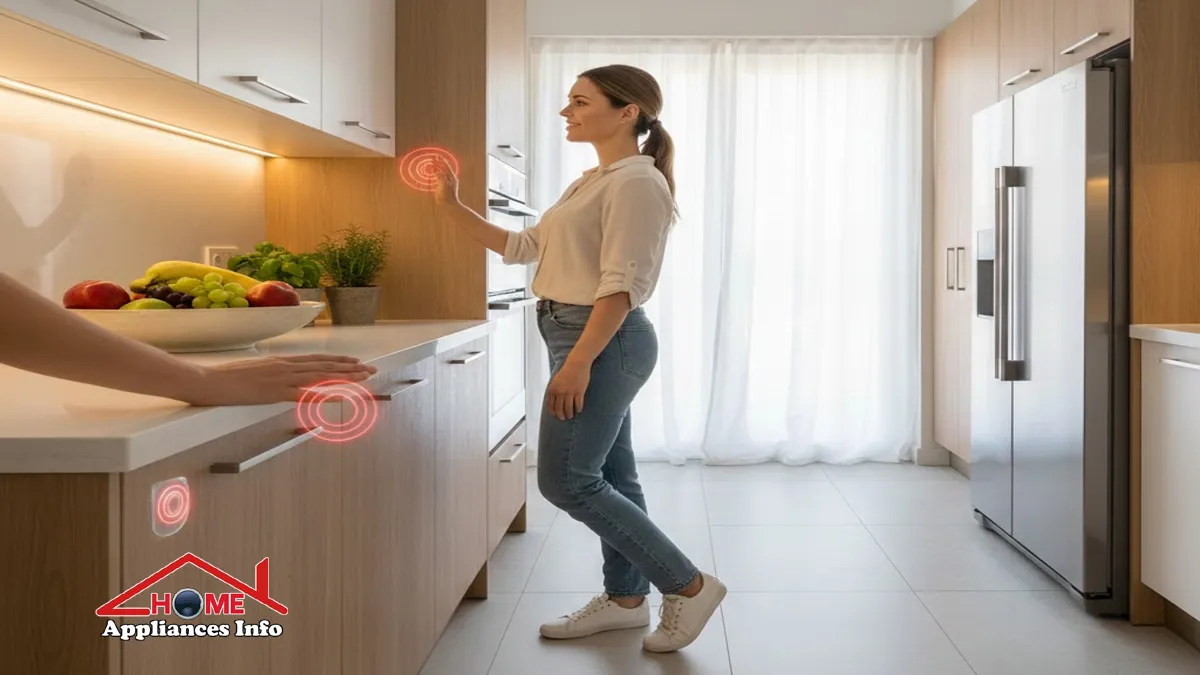
Touchless controls cut that chain. When you wave a hand near a sensor instead of pressing a switch, your skin never meets the surface.
Why this matters for health
Reduced touching can lower:
- Spread of cold and flu viruses
- Transfer of bacteria between family members
- Build‑up of grime from food or bathroom moisture
It is still essential to wash your hands regularly. The Centers for Disease Control and Prevention hand hygiene recommendations remain the foundation. Yet contactless sensors add an extra protective layer in shared spaces.
Where this helps most
- Kitchens: Turn on lights or extractor fans with messy cooking hands.
- Bathrooms: Operate mirrors, fans, or gentle heaters without touching.
- Entryways: Activate hallway lights when you come home with bags or children.
Short example: You finish handling raw chicken and need more light over the counter. Instead of touching a switch with contaminated hands, you simply pass your wrist near a sensor. Dinner keeps moving, and your surfaces stay cleaner.
2. Gentler on Sensitive Skin and Allergies 🌸
If you have eczema, dermatitis, or contact allergies, every touch can irritate your skin. Dry, cracked hands can react to cleaning products, metal, and even hard plastics.
Contactless infrared controls give your skin a break.
How infrared switches support sensitive skin
- Less friction on already irritated skin
- Fewer reactions to cleaning chemicals left on surfaces
- Reduced need to scrub switches aggressively while cleaning
People with dust mite or pet dander allergies may also benefit. Switches are classic “hot spots” where dust collects. Less touching means fewer allergens transferred to your fingers and face.
Real‑life scenario
A parent with eczema often avoids harsh cleaners. Yet traditional switches still build up dirt and oils. Touchless switching allows them to keep walls cleaner with milder products, which is kinder to their skin and lungs.
3. Safer Movement for Children, Older Adults, and Mobility Challenges 🧑🦽
Home safety is a health issue. Falls and injuries can have lasting effects, especially for older adults. Well‑placed contactless controls support safer movement through your home.
How infrared sensor switches improve safety
- Let you turn on lights without searching for a small switch
- Reduce need to stretch, twist, or reach awkwardly
- Can be activated when your hands are full or unsteady
Imagine an older adult waking at night. Instead of feeling along a dark wall, a gentle wave toward an illuminated sensor turns on a soft hallway light. Vision improves, and the chance of tripping drops.
For people using walkers, crutches, or wheelchairs, fewer hard‑to‑reach switches can mean:
- Less strain on shoulders and wrists
- Better independence and confidence
- Lower risk of bumping into furniture while reaching
Helpful locations
- Staircases and landings
- Hallways and long corridors
- Bathrooms and bedrooms
- Laundry rooms where hands are often full
Small adjustments like these ease daily stress and help everyone feel safer at home.
4. Cleaner Air and Surfaces Around Appliances 🌬️
This benefit is easy to overlook. However, contactless controls can help keep the area around your appliances cleaner and even support better indoor air.
Less grime on walls and control panels
Without constant touching, you reduce:
- Greasy fingerprints near kitchen hobs
- Mold‑friendly moisture around bathroom switches
- Sticky spots where bacteria can thrive
This matters because grime traps dust, allergens, and microbes. Cleaner surfaces create a less welcoming home for unwanted microorganisms.
Better use of ventilating appliances
People sometimes avoid turning on extractor fans because their hands are wet, greasy, or occupied. With touch‑free activation, it becomes easier to use fans and purifiers consistently.
Infrared sensors make it simple to:
- Start the cooker hood as soon as you begin frying
- Activate the bathroom fan right after a hot shower
- Run air purifiers without handling dusty controls
Better ventilation means less moisture, fewer odors, and reduced buildup of indoor pollution.
5. Calmer Evenings and Better Sleep Routines 😴
Light strongly affects your sleep and mental wellbeing. Harsh overhead lighting at the wrong time can keep your brain alert. Subtle, responsive control supports a gentler wind‑down.
How infrared switches support healthy light habits
Many systems can:
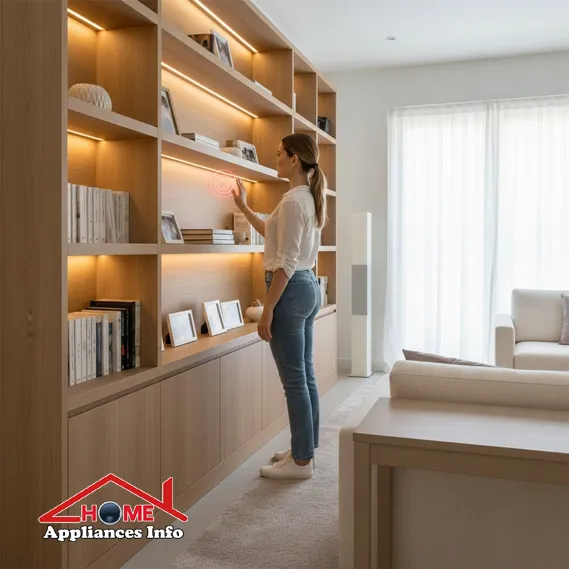
- Trigger soft, low‑level lights at night with a simple hand wave
- Avoid sudden bright light that wakes your brain fully
- Help you keep bedroom and hallway lighting consistent
Late‑night trips to the bathroom become less disruptive. You avoid fumbling with bright switches or turning on strong overhead lights. That helps maintain your body’s natural sleep rhythm.
For children, consistent, gentle lighting can also ease night fears. A small wave near a sensor can turn on a dim night light. They gain control without fully waking a parent.
Stress reduction through smoother routines
Being able to move through your home smoothly, without searching for controls, reduces small daily stressors. These minor frustrations add up. Lowering them supports mental wellbeing and a sense of calm in your space.
6. Energy Awareness That Supports Long‑Term Health 🌱
Health and energy use may seem unrelated, but they connect. Lower energy use can mean lower household costs and a smaller impact on the environment. That contributes to long‑term community health.
Many modern appliances with sensor controls are also more efficient. While the sensor itself uses a little energy, the overall system often encourages smarter habits.
Health‑linked benefits of efficient appliances
- Reduced household stress from high utility bills
- Less heat build‑up from inefficient lighting or motors
- More consistent use of fans, purifiers, and dehumidifiers
You are more likely to use supportive devices when they are easy to control. Touchless controls make it simpler to turn on:
- Range hoods when cooking
- Dehumidifiers in damp seasons
- Localized heating only where needed
Many efficient models, including ENERGY STAR certified appliances, also focus on quieter and smoother operation. Lower noise levels help reduce stress and protect hearing over time.
Quick comparison
Below is a simplified look at how traditional controls compare with infrared sensor control from a health angle.
| Feature | Traditional wall switch | Infrared sensor control |
|---|---|---|
| Touch required | Always | None or minimal |
| Germ transfer risk | Higher, frequently touched | Lower, touchless activation |
| Ease with full hands | Awkward, needs free hand | Simple, hand wave or presence |
| Use by children and older adults | May be hard to reach or find | Can be placed and lit for access |
| Encourages appliance use that supports health | Sometimes avoided due to hassle | More likely to be used regularly |
7. Supporting Future‑Ready, Accessible Home Design 🏡
Home design is moving toward inclusive, wellness‑focused spaces. Infrared switches fit naturally into that shift.
Benefits for different life stages
- Children: Simple, “wave to turn on” controls feel intuitive.
- Adults: Less cluttered walls and easy access in busy routines.
- Older adults: Support independent living with fewer physical demands.
Touch‑free controls can be part of a broader accessibility plan that includes:
- Wider doorways
- Good lighting at all heights
- Non‑slip flooring
- Lever handles instead of knobs
Together, these features create homes that adapt as your needs change.
Improved hygiene in shared or rented homes
In shared apartments or rentals, you often cannot control who touches what. Sensor‑based controls help:
- Reduce shared touchpoints in kitchens and bathrooms
- Make cleaning routines faster and simpler
- Support a healthier environment for everyone using the space
This is especially helpful in student housing, house shares, or multi‑family homes.
FAQs about Infrared Switches and Your Health
1. Are infrared switches safe for daily use?
Yes. They use low‑intensity infrared light similar to many remote controls. They are considered safe for everyday home use.
2. Can these switches reduce my risk of getting sick?
They cannot replace handwashing or vaccines. They can, however, lower the number of shared touchpoints, which may reduce germ transfer.
3. Will touchless switches work if my hands are wet or dirty?
Yes. They detect movement or presence, not pressure. Wet, gloved, or messy hands still activate the sensor.
4. Are they useful for people with disabilities?
They can be. For some people, reducing the need to grip or press small switches improves independence and comfort. Placement still needs thoughtful planning.
5. Do these sensors use a lot of electricity?
They draw a small, continuous amount of power. Many homes still see neutral or reduced bills when paired with efficient appliances and mindful use.
6. Can I install them only in high‑risk areas?
Yes. Many households start with kitchens, bathrooms, and entryways. You can expand later if you like the change.
Conclusion: Creating a Health‑Focused Home with Infrared Switches 🌟
Your home is more than walls and furniture. It is the setting for your daily health, mood, and relationships. Small design choices, like how you turn lights or appliances on and off, can have silent but steady effects.
Infrared switches offer more than convenience. They can support:
- Better hygiene and fewer shared touchpoints
- Gentler routines for sensitive skin and allergies
- Safer movement for children and older adults
- Cleaner air and surfaces around key appliances
- Calmer evenings and more consistent sleep habits
- Smarter energy use that supports long‑term wellbeing
- A more inclusive, future‑ready home design
If you plan a renovation or consider new appliances, include health in your decisions. Look for safe, well‑tested contactless controls. Talk with a qualified electrician or home designer about the best locations and settings for your family.
Small upgrades, thoughtfully chosen, can help your home feel cleaner, safer, and more restful. Infrared switches are one more tool to create a space that truly supports your health every day. 💚

🌐 FOUNDER & DIGITAL PUBLISHER
Muhammad Ali
Founder | SEO Strategist & E-E-A-T Digital Publishing Specialist

📈 SEO Strategy
🛠️ Appliance Optimization
🛡️ E-E-A-T Standards
Muhammad Ali is a digital publisher, SEO strategist, and founder of Home Appliances Info. He specializes in home appliance optimization, structured schema networks, and advanced E-E-A-T digital publishing standards to ensure accurate, trustworthy content across the platform.
1 Comment
Pingback: Smart Mirror: 7 Amazing Benefits You Can’t Ignore for Your Health