

To support our research and detailed appliance reviews, we may earn a small commission from qualifying purchases made through our links, at no extra cost to you. As an Amazon Associate, I earn from qualifying purchases.
To support our research and detailed appliance reviews, we may earn a small commission from qualifying purchases made through our links, at no extra cost to you. As an Amazon Associate, I earn from qualifying purchases.
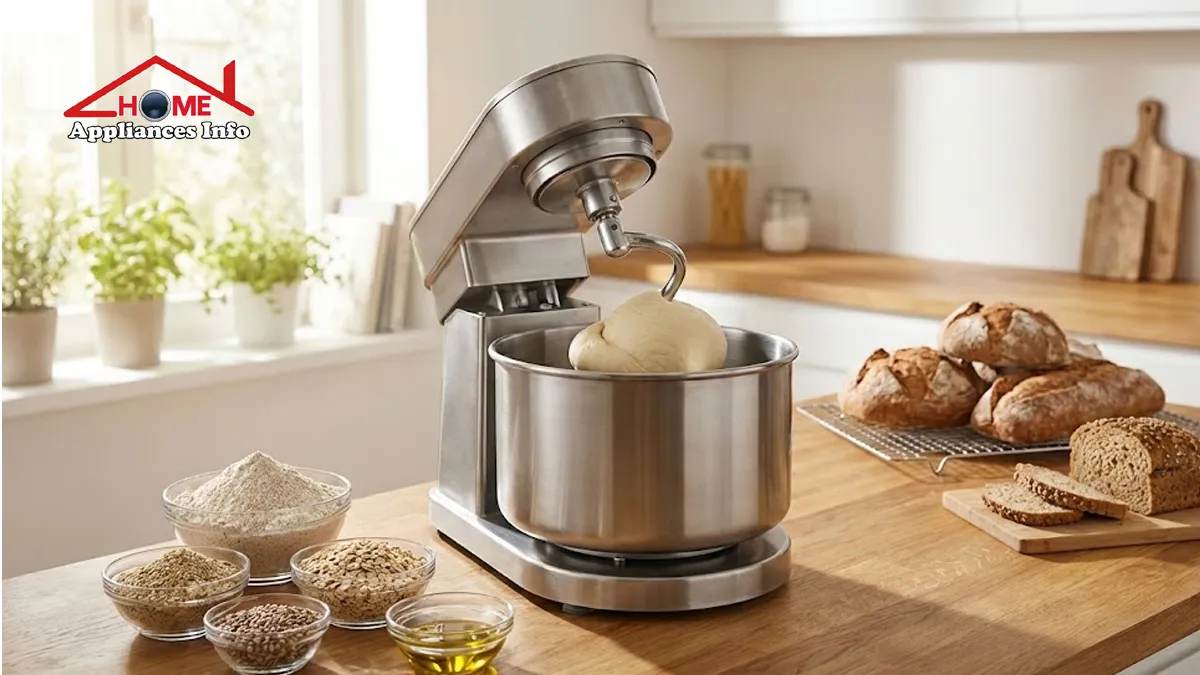
If you love fresh bread but feel overwhelmed by the effort, you are not alone. Many home bakers struggle with tired arms, sticky dough, and inconsistent results. A Dough mixer can change that experience in a surprisingly healthy way.
A spiral dough mixer is more than a convenience tool. It helps you bake more often, choose better ingredients, and protect your body from strain. It also supports your emotional well-being with a calmer, more enjoyable baking process.
Instead of fighting dense dough by hand, a spiral dough mixer handles the hard work. You get consistent, well-developed dough that rises beautifully. In return, you can focus on flavor, nutrition, and mindful eating.
Let’s explore five amazing health-focused benefits of bringing a spiral dough mixer into your home kitchen. 🌿
1. A Dough Mixer Makes Healthier Baking Easier and More Consistent
Healthy eating often fails in the kitchen, not in theory. You may want to bake whole grain bread, but:
- Kneading heavy dough is tiring.
- Long mixing times stress your wrists and shoulders.
- Results are inconsistent, so motivation drops.
A spiral dough mixer changes this pattern. It kneads efficiently and evenly, especially with dense or sticky doughs. That stability makes it easier to adopt and keep healthier baking habits.
Easier to Use Whole Grains and High-Fiber Flours
Whole grain and high-fiber doughs need stronger gluten development. That requires more mixing than white flour doughs. By hand, this can be exhausting.
A spiral dough mixer machine handles:
- Whole wheat and rye doughs
- High-hydration doughs for artisan loaves
- Fiber-rich recipes with seeds and bran
This matters because research on whole grains links them to better heart health, improved digestion, and lower risk of chronic disease.
When mixing no longer feels like a workout, you are more likely to:
- Replace white bread with whole grain loaves
- Experiment with healthier recipes
- Bake at home rather than buy processed bread
Reliable Texture Supports Portion Control
Consistent dough gives consistent bread. That means:
- Predictable slice sizes
- Even crumb and texture
- Less temptation to overeat “because it is not filling”
A well-developed dough traps gas evenly. The bread feels light but still satisfying. This can support mindful eating and portion awareness.
When your bread turns out reliably well, you are less likely to fall back on quick, ultra-processed options. 🌾
2. Better Control Over Ingredients, Sugar, and Salt 🧂
One of the greatest health gifts of a spiral dough mixer is control. You choose exactly what goes into your dough.
Store-bought breads often contain:
- Excess sodium
- Added sugars or syrups
- Preservatives and conditioners
- Unnecessary additives for shelf life
At home, you can keep your ingredient list short and honest.
Lower Sodium Without Sacrificing Structure
Bread can be a major hidden source of salt. When you bake at home, you can:
- Gradually reduce salt in recipes
- Use herbs and spices for flavor
- Adjust for health conditions like hypertension
A spiral dough mixer keeps the dough strong even if salt levels are slightly lower. Proper kneading supports gluten development, so the loaf holds its shape and texture.
Reduce Added Sugar and Refined Ingredients
Sweet rolls, sandwich loaves, and enriched breads can be healthier too. With a dough mixer machine, you can:
- Swap refined sugars for small amounts of honey or date paste
- Use part whole grain flour in sweet breads
- Add nuts, seeds, and oats for better nutrition
Because the mixer develops the dough thoroughly, you can use heavier, nutrient-dense ingredients without fear of “ruining” the bread.
Support for Special Diets
If you or a family member has specific needs, a spiral dough mixer helps you bake:
- Low-sugar or no-added-sugar breads
- Higher-fiber breads for digestion support
- Dairy-free or egg-free doughs
- Lower-sodium options for heart health
You are not limited to what the supermarket offers. You can design bread that supports your health goals and your doctor’s advice. ❤️
3. Protects Your Joints, Muscles, and Overall Physical Comfort 💪
Hand kneading looks romantic in photos. In real life, it can be painful, especially over time.
If you have:
- Wrist or elbow pain
- Shoulder or neck tension
- Arthritis or joint stiffness
- A history of overuse injuries
then long kneading sessions can aggravate symptoms.
A spiral dough mixer takes over the heavy labor. You still shape the dough and connect with the process, but you avoid repetitive strain.
Less Repetitive Strain on Hands and Wrists
Kneading requires:
- Repeated flexing and extension of the wrists
- Pressure through the palm joints
- Forceful pushing and pulling
Over time, that may worsen conditions like carpal tunnel syndrome in vulnerable people.
A mixer handles most of that effort. You stay involved by:
- Checking dough texture
- Making final adjustments
- Doing a brief pre-shape or final shape
Your hands move, but in varied, gentler ways.
Helpful for Older Adults and People in Recovery
For older adults or anyone managing chronic pain, a spiral dough mixer can mean:
- You can keep baking without overexertion.
- You can enjoy a meaningful hobby despite physical limits.
- You stay active in the kitchen with less discomfort.
This supports independence and quality of life, both central to overall health.
Comparison: Hand Kneading vs Spiral Dough Mixer
Here is a simple comparison focused on physical impact and effort:
| Method | Physical Effort Level | Joint Strain Risk | Typical Kneading Time | Best For |
|---|---|---|---|---|
| Hand kneading | High | Higher | 10–20 minutes | Small batches, occasional baking |
| Stand mixer (hook) | Moderate | Moderate | 8–15 minutes | General home baking |
| Spiral dough mixer | Low | Lower | 5–10 minutes | Frequent baking, dense doughs |
Times and risks vary, but the pattern is consistent. A spiral mixer reduces both effort and strain.
4. Encourages Mindful, Stress-Reducing Kitchen Rituals 🧠
Baking can be deeply soothing. The smell of warm bread, the rhythm of shaping dough, and the quiet of a rising loaf all support mental wellness.
Yet when kneading feels like a battle, that calming effect can disappear. Fatigue, frustration, and failed dough rise can increase stress instead.
A spiral dough mixer helps restore baking as a positive ritual.
Less Frustration, More Flow
When your dough is:
- Mixed evenly
- Properly hydrated
- Smooth and elastic
then the rest of the process feels smoother. You spend less time worrying about technique and more time enjoying the sensory experience.
This can support:
- Mindfulness
- Grounding during anxious days
- A sense of mastery and confidence
Many people find the slow steps of baking, like proofing and shaping, naturally relaxing. A mixer clears away the most demanding step, so you can enjoy the rest.
Supports Family and Social Connection
Mental health is not only about the individual. It is also about connection. Baking with a spiral dough mixer invites:
- Children to help with shaping and topping
- Family members to join in taste-testing
- Shared meals built around homemade bread
These shared experiences nurture emotional well-being and belonging. 🍞💬
5. Makes Healthy Home Cooking More Sustainable Long-Term
Healthy habits matter most when they last. A spiral dough mixer helps transform “occasional” healthy baking into a regular, realistic routine.
Saves Time and Energy for the Rest of Your Life
Time is a health resource. When you spend less time and physical energy on mixing and kneading, you can:
- Rest more on busy days
- Cook a balanced meal to go with your bread
- Spend extra time with family instead of cleaning up messes
You still bake from scratch, but with less exhaustion. That makes it easier to stay consistent week after week.
Supports Healthier Food Patterns at Home
Regular homemade bread can be part of a larger healthy lifestyle:
- Swapping sugary snacks for a slice of seeded bread and hummus
- Serving hearty, fiber-rich toast at breakfast
- Building balanced sandwiches with lean protein and vegetables
When bread is always available at home, you might rely less on takeaway or processed snacks. A spiral dough mixer quietly supports that shift.
Encourages Planning and Routine
Baking with a mixer often follows a pattern:
- Mix dough.
- Let it rise while you do something else.
- Shape and bake.
That rhythm fits well into weekly meal planning. Over time, these routines can support:
- Stable energy levels
- Better budget control
- A calmer relationship with food
How to Get the Most Health Benefits from a Spiral Dough Mixer
A spiral dough mixer is a tool. The health benefits come from how you use it.
Focus on Nutritious Recipes
Choose recipes that support your health goals:
- Whole grain sourdough
- Seeded sandwich loaves
- Low-sugar breakfast rolls
- High-fiber flatbreads
You do not need extreme diets. Small, steady changes in flour choices and toppings can help.
Watch Posture and Setup
Even with a mixer, your posture matters. To protect your back and shoulders:
- Place the mixer at a height where you do not hunch.
- Stand with feet hip-width apart.
- Keep shoulders relaxed while loading and unloading.
Short, mindful adjustments reduce risk of tension or lower back strain.
Keep Food Safety in Mind
Health also includes avoiding foodborne illness. When using your dough mixer machine:
- Clean the bowl and hook thoroughly after each use.
- Do not leave dough sitting at warm room temperature for too long.
- Store finished bread in clean, dry containers.
This keeps your nutritious efforts safe and enjoyable.
FAQs About Using a Spiral Dough Mixer for Healthier Baking
1. Is a spiral dough mixer only for serious or professional bakers?
No. Many home bakers use smaller spiral models. They are ideal if you bake weekly, prefer whole grains, or struggle with hand kneading.
2. Can I still hand-knead sometimes if I enjoy it?
Yes. You can mix most of the dough with the mixer, then finish with a short hand knead. That keeps strain low while preserving the tactile experience you enjoy.
3. Does bread from a spiral dough mixer taste different?
It often has better structure and more even crumb. That allows flavors from whole grains, seeds, and long fermentation to shine. Taste usually improves when technique is consistent.
4. Is using a dough mixer machine safe for people with joint problems?
For many people, yes. It reduces repetitive strain on hands and wrists. Still, it is wise to discuss new activities with a healthcare provider if you have severe arthritis or recent surgery.
5. Will using a mixer make my bread less “artisanal” or traditional?
Not at all. Many artisan bakeries rely on spiral mixers. You still control hydration, fermentation time, shaping style, and scoring. The art remains in your hands.
6. Can a spiral dough mixer help with weight management?
Indirectly, yes. It supports regular homemade baking with healthier ingredients. That can replace more processed foods and help with portion control, which may support weight goals over time.
How to Choose a Dough Mixer for Health-Focused Home Baking
Not every mixer is equal for health-focused baking. Here are a few points to consider.
Capacity and Frequency
Think about:
- How often you bake
- How many people you feed
- Whether you want to batch-bake and freeze
A mid-sized model is often enough for a family. Too small, and you may strain the machine with heavy doughs. Too large, and cleaning feels like a chore.
Ability to Handle Whole Grain and Hydrated Doughs
Look for a spiral dough mixer known to handle:
- Whole grain recipes
- High-hydration doughs like ciabatta
- Enriched doughs for occasional treats
This ensures you can explore a range of healthier breads without frustration.
Ease of Cleaning and Noise Level
Health includes your environment and stress levels. Choose a model that:
- Has a smooth bowl that cleans easily
- Produces manageable noise levels
- Fits safely on your countertop
If cleaning feels manageable, you are more likely to use it often.
Internal and External Learning Cues
To deepen your health-focused baking journey, you might:
- Explore a dedicated guide on healthy baking ingredients and substitutions.
- Read more about digestive health and fiber intake.
- Learn how fermentation and sourdough can affect blood sugar response.
Pairing your dough mixer with sound nutrition knowledge helps you use it wisely and effectively.
Conclusion: Let a Dough Mixer Support Your Healthier Kitchen Life 🌿
A Dough mixer is not just a gadget for perfect loaves. It is a partner in a healthier lifestyle. By easing effort and improving consistency, it helps you:
- Bake healthier breads more often.
- Control salt, sugar, and additives.
- Protect joints and muscles from strain.
- Enjoy calming, mindful baking rituals.
- Maintain long-term, realistic cooking habits.
A spiral dough mixer gives you the strength and stamina you need in the kitchen, without draining your own. It supports better nutrition, physical comfort, and emotional balance, loaf after loaf.
If you have dreamed of regular homemade bread but feared the effort, this may be your next meaningful step. Start with one simple, health-focused recipe, let your mixer work, and enjoy the comfort of warm, nourishing bread at home. 🥖✨


🌐 FOUNDER & DIGITAL PUBLISHER
Muhammad Ali
Founder | SEO Strategist & E-E-A-T Digital Publishing Specialist

📈 SEO Strategy
🛠️ Appliance Optimization
🛡️ E-E-A-T Standards
Muhammad Ali is a digital publisher, SEO strategist, and founder of Home Appliances Info. He specializes in home appliance optimization, structured schema networks, and advanced E-E-A-T digital publishing standards to ensure accurate, trustworthy content across the platform.