

To support our research and detailed appliance reviews, we may earn a small commission from qualifying purchases made through our links, at no extra cost to you. As an Amazon Associate, I earn from qualifying purchases.
To support our research and detailed appliance reviews, we may earn a small commission from qualifying purchases made through our links, at no extra cost to you. As an Amazon Associate, I earn from qualifying purchases.
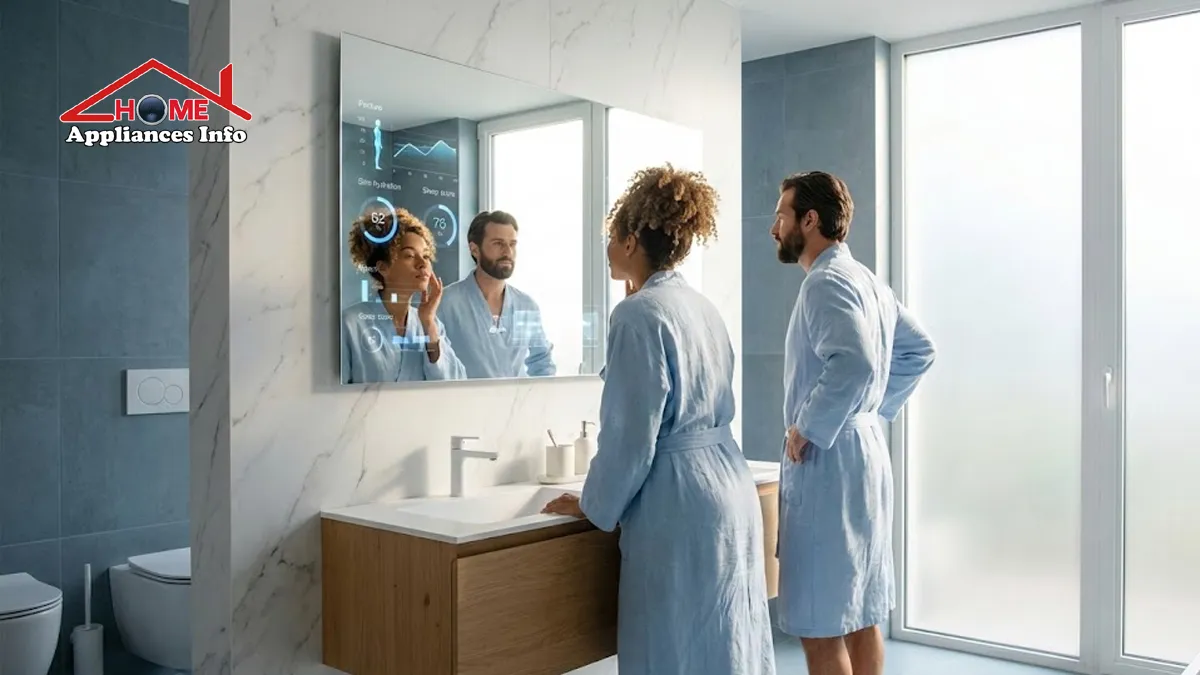
You probably stand in front of a mirror several times each day. You brush your teeth, fix your hair, maybe do a quick skin check. Now imagine that same mirror quietly helping you track your health, guide your workouts, and support your mental wellbeing. That is the promise of a smart mirror.
Many people feel overwhelmed by health apps, wearables, and complex devices. A reflective display can feel more natural. You are already there. You already look at yourself. The technology simply adds gentle guidance and helpful data.
In this article, we will walk through seven key benefits for mind and body. You will see how a connected mirror can support healthier habits, without taking over your space or your routines.
Let’s explore how this kind of interactive mirror can become a calm, consistent health ally in your home. 💡
1. A Smart Mirror Turns Your Daily Routine Into Health Data 📊
You already have a morning and evening routine. You wash your face, brush your teeth, maybe apply skincare. A connected mirror can transform those familiar moments into health check-ins.
Subtle Health Tracking, Built Into Everyday Life
Many devices ask you to start a workout, open an app, or press a button. A reflective display can begin gathering information as soon as it senses your presence. It might monitor:
- Basic posture and alignment
- Facial expressions over time
- Skin tone and texture
- Consistency of your routines
Over weeks and months, this information can highlight patterns. Maybe your posture shifts when stress increases. Perhaps your skin looks more irritated when you sleep less. These small signals matter.
Why This Matters for Your Wellbeing
Small changes add up over time. Many chronic issues develop slowly and quietly. Early awareness can encourage earlier action.
For example:
- You might notice under-eye circles on busy weeks.
- You might see your shoulders rounding after long desk days.
- You might spot uneven skin tone after more sun exposure.
All of this happens while you do the things you already do. There is no extra device to remember. No extra screen to unlock.
With a smart mirror in your bathroom or hallway, your self-care time becomes an information-rich health moment. Yet the experience still feels familiar and simple.
2. See Subtle Skin Changes Before They Become Problems ✨
Your skin tells an important story about your health. A connected mirror can help you read that story more clearly.
Enhanced Skin Awareness
High-quality lighting and magnification can already improve skin checks. When you add computer vision and consistent photos, you gain even more support. The mirror may help you:
- Compare your skin over days and months
- Notice new spots or moles
- Track how breakouts heal
- See reactions to new products
It is not a replacement for a dermatologist. Instead, it encourages you to pay closer attention and seek expert care sooner when needed.
For serious concerns, regular self-checks are strongly recommended. Resources like the American Academy of Dermatology skin self-exam provide helpful visual guides. A reflective health display can remind you to actually perform those checks.
Support for Everyday Skin Goals
Many people want clearer, calmer, or more even-toned skin. A smart display can assist in simple, practical ways:
- Reminding you to apply sunscreen every morning 🌤️
- Showing how consistent cleansing affects breakouts
- Revealing if you rub your eyes when tired or stressed
- Highlighting dry patches you may miss in low light
One example:
You switch to a new moisturizer for sensitive skin. The mirror shows weekly comparison photos. Over time, you see redness gradually reduce. That visual feedback motivates you to stay consistent.
When you see your skin under accurate, stable lighting each day, you get a truer picture than quick, random bathroom glances. That supports both vanity and health.
3. Guided Workouts and Real-Time Form Feedback At Home 💪
Many people struggle to exercise regularly. Gyms can feel intimidating. Workout videos may not correct your form. A reflective display with workout features can bridge that gap.
Your Reflection Becomes a Personal Coach
Fitness-focused models, often called a fitness mirror, can overlay trainers, movement guides, or posture lines over your reflection. This gives you immediate, visual feedback. You can:
- Compare your squat or lunge against a proper example
- See if your knees track safely over your toes
- Notice if your shoulders hunch during rows
- Watch your breathing and pacing on screen
This reduces the risk of poor form, which can cause injuries. It also makes home workouts feel more engaging and safer.
Motivation Without Pressure
Many people feel judged in group classes. A reflective training display offers structure while respecting privacy. You choose:
- Short stretching sessions
- Low-impact cardio
- Strength training
- Yoga or Pilates
You can track streaks, completed workouts, and progress over time. Simple metrics and gentle reminders can be very motivating.
To support heart and metabolic health, regular movement is crucial. The World Health Organization physical activity guidelines explain the benefits clearly. A connected mirror can help you meet those recommendations in your own space, on your own schedule.
A Practical Example
Imagine a busy parent. They have 20 minutes between meetings.
They step in front of the display, choose a low-impact strength session, and follow the trainer. The mirror gently cues them when their shoulders round. They finish with a short stretch. That quick, guided session supports joint health, strength, and mood.
4. Support Better Posture and Less Everyday Pain 🧍♀️
Many people live with quiet, constant discomfort. Neck strain. Tight shoulders. Low back aches. Posture often plays a major role.
Real-Time Posture Feedback
A connected display can help you notice alignment issues you barely feel. It may:
- Outline your body and highlight imbalances
- Show if one shoulder is higher than the other
- Track head position relative to your spine
- Remind you to uncross legs or relax tense muscles
You can perform short alignment checks each day. Over time, these checks build better body awareness.
Long-Term Benefits for Joints and Muscles
Better posture is not about looking “perfect.” It is about reducing unnecessary strain. Supported alignment can:
- Lessen pressure on spinal discs
- Reduce tension headaches
- Decrease risk of repetitive strain injuries
- Improve breathing and circulation
One simple habit:
Each evening, stand in front of the mirror for 60 seconds. Watch your natural stance. Then practice gentle adjustments. Relax your jaw. Drop your shoulders away from your ears. Feel your weight evenly across both feet.
When you see these changes visually, they become easier to remember during the day. Over time, that can lead to fewer aches and more comfort.
5. Calm Your Mind With Mindfulness and Sleep Rituals 😴
Health is not only physical. Your emotional and mental state affect everything. Many people struggle to unwind at night or focus in the morning. A connected mirror can support simple, steady mental health rituals.
Mindful Moments in Front of the Glass
Instead of scrolling your phone after brushing your teeth, you could use that same time for a short grounding practice. The display might guide you through:
- Two minutes of deep breathing
- A quick body scan for tension
- A brief gratitude reflection
- Gentle affirmations for the day ahead
You look at yourself while you practice. That can feel more personal and engaging than staring at a blank wall.
Building a Calming Evening Routine
Sleep quality affects nearly every part of wellbeing. Many people know this, but still feel stuck in late-night habits. A reflective health display can help you build a soothing “wind-down” routine:
- Dim, warm lighting in the bathroom
- Short, guided stretches to release tension
- Prompts to write down tomorrow’s tasks
- A reminder to put away screens after you leave
One scenario:
You finish your skincare. The display gently invites you to do a three-minute breathing exercise. You watch your shoulders lower and your expression soften. That tiny ritual signals to your nervous system that the day is ending. Over time, your body learns to recognize that cue.
Emotional Check-Ins Without Judgment
Some systems can track facial tension or general expression changes. You might see patterns, like frowning more on certain days. That awareness can prompt kind, compassionate questions.
You might ask yourself:
“What is weighing on me right now?”
“What support do I need tomorrow?”
These few reflective moments can help you respond early to emotional strain, rather than waiting for burnout. 💙
6. Encourage Healthier Habits for the Whole Family 👨👩👧
Habits spread within households. Children often copy what they see. When health-supportive tools live in shared spaces, they can nudge everyone, gently and equally.
Shared Routines That Feel Fun, Not Forced
A connected mirror in a main bathroom or hallway can:
- Show tooth-brushing timers for kids 🪥
- Celebrate handwashing with visual cues
- Guide simple stretches everyone can do
- Highlight family hydration or movement goals
When these prompts appear in a playful, visual way, they feel less like lectures. They become part of family culture.
Visual Progress for Long-Term Motivation
Seeing progress helps both adults and children stay engaged. The display could show:
- How many days you followed a bedtime routine
- How often you completed a morning stretch
- Gentle badges for consistent self-checks
- Trend lines for general activity
For example:
A teenager wants clearer skin. The mirror helps them track cleansing and sunscreen use. They see fewer breakouts after several weeks of consistency. That visual reward can feel more meaningful than a rule from a parent.
Supporting Different Needs in One Place
Families often include people with different health goals. Someone might need reminders to move more. Another might need support for stress. A third might focus on rehabilitation exercises.
The same display can offer tailored suggestions based on who stands in front of it. That personalization makes health support feel more respectful and relevant.
7. Create a Safer, More Accessible Bathroom for All Ages ❤️
Bathrooms can be risky spaces, especially for older adults, pregnant people, or anyone with mobility challenges. Slippery floors and hot water add hazards. A connected mirror can help reduce those risks.
Safety Features Built Into Everyday Tools
Depending on the system, you may see:
- Alerts if the room becomes very steamy
- Reminders to use grab bars or mats
- Timers for safe shower length
- Gentle warnings about very hot water
Some setups can connect with other smart home devices. Lights may turn on automatically when someone enters at night. That reduces trip and fall risks.
Support for Aging in Place
Many older adults want to stay in their homes as long as possible. Discreet technology can help that happen more safely.
A reflective display might:
- Offer large, high-contrast text for instructions
- Provide audio guidance for exercises
- Track how steadily someone stands over time
- Remind them to take certain daily health steps
One example:
An older adult uses the mirror each morning while brushing their teeth. The system notices that their stance becomes slightly shakier over months. That subtle trend might prompt a helpful conversation with family or a clinician. Early support can prevent serious falls later.
Respectful, Non-Intrusive Monitoring
Many people dislike the idea of cameras in private spaces. It is important to choose products with clear privacy settings and strong data protections.
When designed responsibly, these tools can focus on patterns, not surveillance. They offer reassurance rather than control. For some families, that balance brings great peace of mind.
Traditional Mirror vs Connected Health Display: Quick Comparison 📋
Below is a simple comparison to show how a regular mirror differs from a health-focused reflective display.
| Feature / Experience | Traditional mirror | Health-focused connected display |
|---|---|---|
| Reflection quality | Basic, depends on room lighting | Often optimized lighting and clarity |
| Health tracking | None | Can track posture, routines, and visible patterns |
| Skin monitoring | Manual, memory-based | Photo comparisons and reminders for self-checks |
| Fitness support | None | Guided workouts and real-time form feedback |
| Posture awareness | Self-judged, occasional | Continuous visual cues and alignment suggestions |
| Mental wellbeing tools | None | Breathing, mindfulness, and sleep routine prompts |
| Family habit support | Minimal, often verbal reminders | Timers, streaks, and shared routine visualizations |
| Safety and accessibility | No built-in alerts | Potential reminders and safer lighting integrations |
| Data and insights over time | Not available | Trend tracking and long-term behavior awareness |
This table does not mean everyone needs advanced features. It simply shows how a familiar object can become a more helpful health companion.
Frequently Asked Questions About Health-Focused Smart Mirrors ❓
1. Are these mirrors medical devices?
Most home systems are not medical devices. They offer wellness guidance, not diagnosis. They can help you notice changes sooner. You should still see qualified professionals for medical concerns.
2. Can a connected mirror really improve my health?
The mirror itself does not “fix” health issues. It supports the habits that matter. Better posture, regular self-checks, consistent exercise, and calmer routines all contribute to health. The device simply makes those easier to maintain.
3. What about privacy and cameras?
Privacy is a key concern. Always review the company’s privacy policy and data storage practices. Look for options to store data locally, disable cameras, or limit sharing. Choose a device and settings that match your comfort level.
4. Do I need advanced tech knowledge to use one?
Most systems focus on simple, intuitive use. Once installed, you usually interact by standing in front of it, using touch, or using voice commands. If you prefer help, consider setting it up with a friend or family member.
5. Are these mirrors only for fitness enthusiasts?
Not at all. They can support many goals: better sleep, calmer mornings, safer bathrooms, or more consistent skincare. You can use as many or as few features as you like.
6. How do I know if this kind of device is right for me?
Consider your pain points. Do you struggle with posture, motivation, or routine? Do you like visual feedback and gentle reminders? If the answers are yes, a reflective health display may fit your lifestyle. If technology stresses you, a simpler setup might be better.
Conclusion: Let Your Mirror Work for Your Health 🌱
Your mirror already witnesses your daily life. It sees your tired eyes, your determined mornings, and your late-night routines. Turning that familiar surface into a more supportive smart mirror can gently shift your health in the right direction.
You have seen how one connected display can:
- Turn daily routines into meaningful health insights
- Help you spot skin changes earlier
- Guide safer, more effective home workouts
- Support better posture and less pain
- Encourage mindfulness and better sleep
- Nurture healthier family habits
- Create a safer, more accessible bathroom
You do not need to use every feature at once. You can start small. Perhaps you begin with posture checks and a short nightly breathing exercise. Later, you might add guided workouts or skin tracking.
The real benefit is not the technology itself. It is the steady, compassionate attention you give your body and mind. The mirror simply reflects that effort back to you, day after day.
If these ideas resonate, consider exploring a health-focused reflective display that matches your needs and privacy comfort. You might also enjoy reading more about skin self-exams or physical activity recommendations from trusted medical organizations.
Small, consistent changes often bring the biggest results. Let your reflection become a place where those changes begin. 🌟


🌐 FOUNDER & DIGITAL PUBLISHER
Muhammad Ali
Founder | SEO Strategist & E-E-A-T Digital Publishing Specialist

📈 SEO Strategy
🛠️ Appliance Optimization
🛡️ E-E-A-T Standards
Muhammad Ali is a digital publisher, SEO strategist, and founder of Home Appliances Info. He specializes in home appliance optimization, structured schema networks, and advanced E-E-A-T digital publishing standards to ensure accurate, trustworthy content across the platform.
1 Comment
Pingback: Enbrighten Vibe Indoor Smart Plug: Easy Setup & Complete Review