

To support our research and detailed appliance reviews, we may earn a small commission from qualifying purchases made through our links, at no extra cost to you. As an Amazon Associate, I earn from qualifying purchases.
To support our research and detailed appliance reviews, we may earn a small commission from qualifying purchases made through our links, at no extra cost to you. As an Amazon Associate, I earn from qualifying purchases.
Staying cool should never come at the cost of your health. When you buy a Gree Air conditioner, you are not only choosing a cooling device. You are also choosing what you breathe, how you sleep, and how your body handles heat and humidity every day.
Many buyers focus only on price or cooling capacity. They often miss the silent details that affect their lungs, skin, sinuses, and mental health. That is where problems begin.
This guide will walk you through 7 shocking mistakes many people make when choosing a Gree unit. You will learn how to avoid these traps and turn your cooling system into a real ally for your health. 🌿
Air Conditioner Check Price on Amazon
1. Ignoring Room Size and Airflow Dynamics 🌀
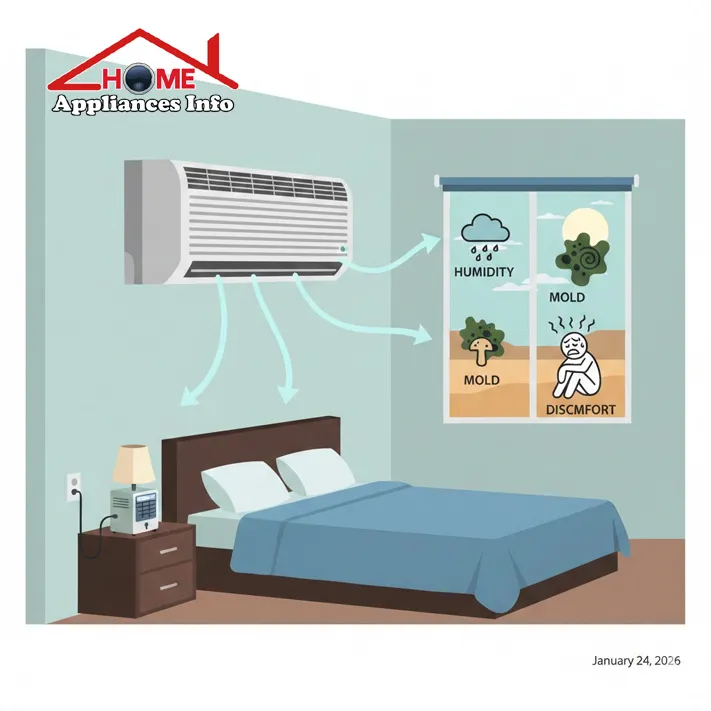
Buying a Gree Air conditioner that does not match your room size can harm comfort and health. People often think “bigger is better.” That idea is risky.
Why size and airflow matter for your body
If the unit is too large for the room:
- It cools the air very fast.
- It switches on and off repeatedly.
- It does not run long enough to remove humidity.
That leads to:
- Damp air that feels clammy.
- Higher risk of mold growth on walls and ceilings.
- Joint pain or headaches from sudden temperature swings.
If the unit is too small:
- It runs for very long periods.
- It may never reach the set temperature.
- It strains the compressor and warms the air unevenly.
Health effects can include:
- Overheating and dehydration during heat waves.
- Poor sleep because the room stays too warm.
- Fatigue and irritability from chronic discomfort.
Simple sizing and airflow checks
Before choosing your Gree model, check:
- Room size: Measure length × width. Note ceiling height if very high.
- Insulation: Older or poorly insulated homes need more cooling power.
- Sun exposure: West or south facing rooms heat up more.
- Airflow path: The indoor unit should not blow directly at your head or chest.
Real life example:
Maria installed an oversized unit in her small bedroom. The room cooled fast but felt damp. After a month, she noticed mold on her window frames and woke up congested most mornings. Proper sizing and better airflow planning would have protected her lungs.
2. Overlooking Filtration and Air Purification Features 😷
Cooling is only half the story. Your lungs care much more about what is floating in the air. Many buyers look at BTUs and energy labels but ignore filtration features.
A Gree Air conditioner can help protect your respiratory health. That only happens if you choose the right filters and keep them clean.
What dirty air does to your body
Indoor air can hold:
- Dust
- Pollen
- Pet dander
- Smoke particles
- Bacteria and some viruses
Breathing these pollutants daily can:
- Worsen asthma and allergies.
- Trigger sinus infections.
- Cause headaches and eye irritation.
- Disturb sleep and concentration.
The World Health Organization indoor air quality guidelines explain how long term exposure to pollutants can damage health. You can read more in the official document: World Health Organization indoor air quality guidelines.
Filtration options to look for
When comparing models, check if they include:
- High density dust filters for basic particle capture.
- Optional HEPA or fine filters for smaller particles.
- Activated carbon filters for odors and some gases.
- Antibacterial coating on filters or coils in some series.
Then ask yourself:
- How easy is it to remove and clean the filters?
- Are replacement filters affordable and available in your region?
- Does the unit remind you when filters need cleaning?
Real life example:
A family with two children suffering from allergies replaced their old AC with a model that had multi stage filtration. After regular filter cleaning and stable use, they saw fewer sneezing fits during pollen season.
3. Forgetting About Inverter Technology and Stable Comfort 🌡️
Energy efficiency often sounds like a finance topic. For your body, it is also a comfort and health topic. Inverter technology can make a big difference.
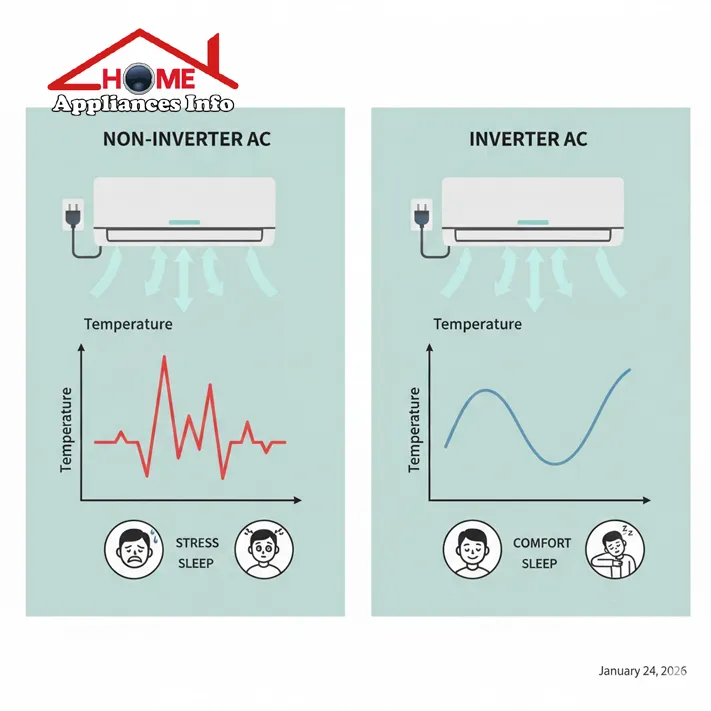
Many Gree units use inverter compressors. That means the compressor does not only turn on and off. It can run at variable speeds.
Why inverter systems feel different in your body
Non inverter systems:
- Turn on at full power.
- Cool fast.
- Turn off completely.
- Allow the room to warm up again.
This cycle repeats all day. Your body feels constant swings in temperature and airflow. That can cause:
- Muscle tension and joint pain.
- Dry or itchy skin from sudden cooling bursts.
- Headaches or a “stuffy” feeling.
Inverter systems:
- Adjust the cooling output gradually.
- Maintain a more stable temperature.
- Often run more quietly at lower speeds.
Health benefits can include:
- More stable body temperature.
- Better sleep quality at night. 😴
- Less throat irritation from strong cold drafts.
Noise, stress, and mental health
Noise is a health factor too. Constant loud compressor sounds raise stress hormones. They can also disturb deep sleep stages.
When comparing models, check:
- Indoor unit noise levels in decibels (dB).
- Outdoor unit noise if you have a balcony or small yard.
- User reviews that mention sleep comfort and sound.
Real life example:
Jared worked night shifts and slept during the day. His old non inverter unit clanked loudly on and off. He swapped it for a quieter inverter unit and noticed deeper sleep and less daytime fatigue.
4. Neglecting Humidity Control and Mold Risk 🌧️
Temperature is only part of thermal comfort. Humidity plays a huge role in how your skin, lungs, and sinuses feel.
The right Gree cooling system should help maintain healthy humidity levels. It should not leave your room damp or desert dry.
How humidity affects your health
Your body feels best in moderate humidity. Extreme levels can cause problems.
Here is a quick overview:
| Indoor Humidity Range | Main Health Effects | How AC Should Help |
|---|---|---|
| Below 30% | Dry skin, nosebleeds, irritated eyes, sore throat | Run in “dry” mode less often, avoid overcooling |
| 30–50% | Ideal for most people, fewer dust mites and mold | Maintain stable cooling without extremes |
| 50–60% | Can feel heavy, some mold growth risk begins | Use dehumidifying features or longer cooling cycles |
| Above 60% | Mold growth, dust mites thrive, musty smells, fatigue | Strong dehumidifying ability and proper drainage |
High humidity encourages:
- Mold on walls, curtains, and furniture.
- Dust mites in mattresses and carpets.
- Musty odors that signal poor air quality.
These can trigger:
- Asthma attacks.
- Allergic rhinitis.
- Chronic cough or sinus pressure.
Very low humidity can cause:
- Cracked lips and dry skin.
- Irritated airways.
- Increased risk of viral infections due to dry mucous membranes.
Features and habits that protect you
When choosing a unit, check for:
- A dry or dehumidify mode for very humid climates.
- A clear drainage system so water can leave the room safely.
- Stable temperature control without excessive overcooling.
Then build healthy habits:
- Avoid extreme low temperature settings.
- Keep doors and windows closed during operation in humid seasons.
- Watch for condensation on windows or walls.
Real life example:
After a rainy season, a couple noticed black spots behind their bed. Their room was often slightly cool but very damp. They began using the dehumidify mode, improved drainage, and the mold stopped spreading.
5. Ignoring Noise Levels and Sleep Health 😴
Your bedroom should feel like a sanctuary. A noisy indoor unit can turn it into a stress zone.
People often ignore noise ratings when buying a Gree Air conditioner. They later discover that chronic noise affects their sleep, mood, and even heart health.
How AC noise affects your body
Noise during sleep can:
- Prevent deep sleep stages.
- Increase night awakenings.
- Elevate heart rate and blood pressure.
- Raise stress hormone levels over time.
You might think you “get used to it.” Yet your nervous system still reacts. Poor sleep links to:
- Weaker immune function.
- More anxiety and low mood.
- Higher appetite and weight gain risk.
What to look for in noise ratings
Check the product sheet for:
- Indoor noise level in dB at low, medium, and high fan speeds.
- A quiet or sleep mode feature for night use.
- Airflow direction that avoids blowing directly on your face.
As a rule of thumb:
- Low 20s dB range feels very quiet.
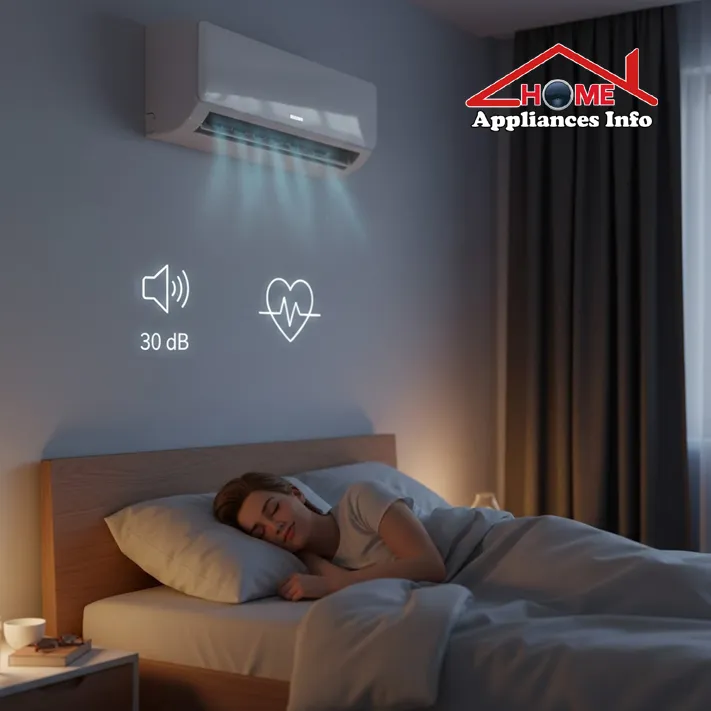
- Around 30 dB is often acceptable for bedrooms.
- Above 40 dB can feel intrusive for light sleepers.
Real life example:
A light sleeper bought a powerful unit without checking the dB rating. The noise forced her to choose between heat and rest. Upgrading to a quieter model transformed both her sleep and morning mood. 🌙
6. Skipping Professional Installation and Regular Maintenance 🧰🧼
Even the best model can become a health hazard with poor installation or neglect. Some shoppers focus on price and forget the long term care.
A poorly installed or rarely cleaned unit can spread contaminants instead of comfort.
Risks of poor installation
Common installation problems include:
- Incorrect refrigerant charge.
- Poorly sealed pipes or wall openings.
- Bad drainage pipe slope.
- Wrong indoor unit height or angle.
Health impacts can include:
- Water leaks that cause damp walls and hidden mold.
- Cold drafts hitting your neck or back directly.
- Strong odors from stagnant water in trays.
Professional installers should:
- Check for refrigerant leaks.
- Test drainage with water before leaving.
- Verify airflow direction and remote control functions.
- Seal wall openings to keep dust and pests out.
Why regular cleaning protects your lungs
Over time, your Gree Air conditioner collects:
- Dust
- Skin flakes
- Fungal spores
- Bacteria on wet surfaces
If you never clean it, the unit can blow these directly into your lungs. That may lead to:
- Chronic cough or throat irritation.
- More frequent respiratory infections.
- Worsening asthma or allergy symptoms.
Key maintenance steps:
- Rinse or vacuum filters every two to four weeks in heavy use.
- Have a deep professional cleaning at least once a year.
- Check indoor and outdoor coils for visible dirt and debris.
- Ensure the drain line is not clogged.
The U.S. Environmental Protection Agency ventilation basics page explains how clean systems support healthy indoor air. You can find it here: U.S. Environmental Protection Agency ventilation basics.
Real life example:
A man developed a chronic tickle in his throat every summer. A technician later opened the indoor unit and found thick dust and mold. After a full cleaning and regular filter care, his symptoms eased.
7. Neglecting Smart Controls and Healthy Usage Habits 📱
Even the best designed cooling system can harm health if used in unhealthy ways. Technology helps, but your daily choices matter most.
Many Gree models offer smart features. These can support healthy routines when used with care.
How smart controls can support wellbeing
Look for features such as:
- Programmable timers to avoid extreme temperature swings.
- Sleep modes that adjust temperature slowly at night.
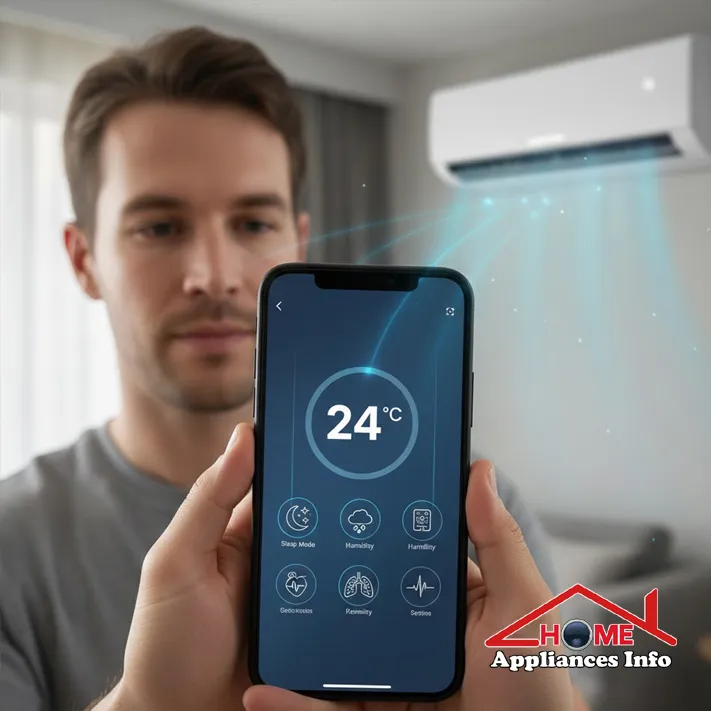
- Wi-Fi control to start gentle cooling before you arrive home.
- Eco modes that limit overcooling and preserve humidity.
Healthy habits include:
- Setting temperatures between 24–26°C for most people.
- Avoiding very cold air after coming in from strong heat.
- Allowing short breaks in use to give your body a reset.
- Combining AC with natural ventilation when outdoor air is clean.
Balancing comfort and immune health
Overreliance on very cold indoor air can shock your body. Your respiratory mucosa may dry out. That can reduce your natural defense against viruses and bacteria.
A balanced approach:
- Use moderate settings rather than extremes.
- Dress in light, breathable layers indoors.
- Drink enough water during long AC use.
- Allow occasional fresh air exchange when outdoor conditions allow.
Real life example:
A family used to set the AC at 18°C on hot days. Their children often caught summer colds. After raising the set point and using sleep mode at night, they saw fewer sore throats and less sneezing.
FAQs About Gree Air Conditioners and Your Health ❓
1. Is a Gree Air conditioner safe for people with asthma?
Yes, it can be safe and even helpful. Choose a model with strong filtration and easy filter access. Clean filters often and consider additional air purifiers if asthma is severe. Keep temperatures moderate to avoid airway irritation.
2. What temperature setting is healthiest for most people?
Many health experts suggest around 24–26°C for comfort and safety. Very cold settings can dry the airways and trigger headaches. Adjust slightly based on age, activity level, and clothing.
3. How often should I clean the filters?
During heavy use, check them every two to four weeks. If they look dusty, clean them right away. In mild seasons, at least once every one to two months is helpful. Always follow the manual for cleaning steps.
4. Can air conditioners spread viruses?
They can move air and small particles around a room. Good filtration and regular cleaning reduce this risk. Combine AC use with fresh air ventilation when possible. Hand hygiene and respiratory etiquette still matter most.
5. Do I need a dehumidifier if I already have AC?
Not always. Many AC units remove moisture well. If your home still feels damp, or mold appears, you may need extra dehumidification. Check humidity with a simple meter and aim for 30–50%.
6. Are inverter models better for sleep?
Often yes. They maintain more stable temperatures with fewer sudden blasts of cold air. Many also run more quietly at low speeds. That combination supports deeper and more restful sleep.
Conclusion: Turn Your Gree Air Conditioner Into a Health Ally 🌿
A Gree Air conditioner can do more than cool your space. It can shape the air you breathe, the way you sleep, and how your body handles heat and humidity.
To protect your health, avoid these seven mistakes:
- Ignoring room size and airflow.
- Overlooking filtration and purification.
- Forgetting about inverter technology and stable comfort.
- Neglecting humidity control and mold risk.
- Ignoring noise and sleep health.
- Skipping professional installation and maintenance.
- Neglecting smart controls and healthy usage habits.
Focus on the right size, strong filtration, stable comfort, and clean, quiet operation. Combine that with thoughtful daily habits and regular care.
When chosen and used wisely, your Gree Air conditioner can become a partner in long term wellbeing. Not just a machine on the wall. Take the next step today. Review your current system or planned purchase with these health principles in mind, and create a cooler, cleaner, and kinder home for your body. 💚


🌐 FOUNDER & DIGITAL PUBLISHER
Muhammad Ali
Founder | SEO Strategist & E-E-A-T Digital Publishing Specialist

📈 SEO Strategy
🛠️ Appliance Optimization
🛡️ E-E-A-T Standards
Muhammad Ali is a digital publisher, SEO strategist, and founder of Home Appliances Info. He specializes in home appliance optimization, structured schema networks, and advanced E-E-A-T digital publishing standards to ensure accurate, trustworthy content across the platform.
1 Comment
Pingback: Far Infrared Heater Buying Guide: Comfort, Safety, and Speed Compared