

To support our research and detailed appliance reviews, we may earn a small commission from qualifying purchases made through our links, at no extra cost to you. As an Amazon Associate, I earn from qualifying purchases.
To support our research and detailed appliance reviews, we may earn a small commission from qualifying purchases made through our links, at no extra cost to you. As an Amazon Associate, I earn from qualifying purchases.
Keeping your garage comfortable can feel impossible. In summer it bakes. In winter it feels like a fridge. Your heating and cooling systems work harder. Your energy bill climbs. Your body feels the stress from constant temperature swings.
That is where garage door insulation steps in. It is one of the fastest ways to calm temperature extremes, protect your home, and support your health. You also save money every month through lower energy use. ✅
In this guide, you will learn the 6 best garage door insulation solutions. You will see how they work, what they cost, and which ones are worth it for your home and climate. You will also see simple steps for how to insulate a garage door safely and quickly.
Whether you use your garage as a workshop, gym, or laundry zone, these upgrades support:
- Stable temperatures
- Healthier air quality
- Less noise
- Lower stress on your body
Let’s walk through your options, so you can choose what fits your life and budget. 💡
1. Garage Door Insulation Kits: Fast Comfort Upgrade
If you want a quick win, start with a garage door insulation kit. These kits are designed for standard steel sectional doors and come with pre‑cut or easy‑to‑cut pieces.
They usually include:
- Insulation panels or batts
- Adhesive or fastening clips
- Simple instructions
Many homeowners finish this project in one afternoon. That makes kits one of the best garage door insulation options for beginners.
How garage door insulation kits help your health and comfort
Uninsulated metal doors transfer heat and cold quickly. That temperature shock affects your body every time you step into the garage. Over time, large swings can strain joints, breathing, and even sleep routines if your bedroom is near the garage.
A kit adds a thermal barrier. You get:
- Less hot, stagnant air in summer 😓
- Less icy, damp air in winter
- A calmer temperature in nearby rooms
For people with asthma, arthritis, or cardiovascular concerns, a more stable environment can help reduce physical stress.
Pros
- Affordable for most households
- Easy for first‑time DIY projects
- Immediate temperature and noise improvement
- Fits common garage door sizes
Cons
- Not as durable as premium custom panels
- May sag over time if installed poorly
- R‑value is moderate, not maximum
When to choose a kit
Pick a kit if you:
- Want fast results on a limited budget
- Have a standard steel sectional door
- Prefer clear, step‑by‑step instructions
You can compare brands and R‑values in any home center. A trusted starting point is the garage door insulation kit selection at large retailers such as Home Depot:
Garage door insulation kit
2. Rigid Garage Door Insulation Panels for Maximum Control
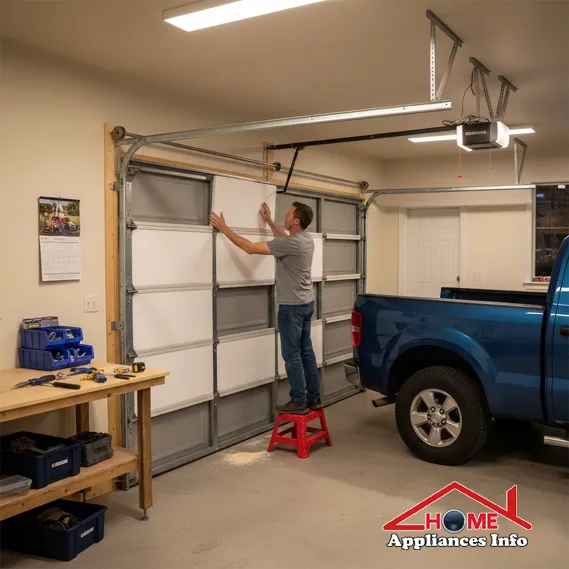
If you want stronger performance and a clean look, consider rigid garage door insulation panels.
These are usually made from:
- Polystyrene foam
- Polyisocyanurate foam
They are cut to fit each door section. Some doors even come with factory‑ready channels for these panels.
Why rigid panels stand out
Rigid panels provide:
- Higher R‑values than many kits
- A smooth, durable surface
- Less sagging over time
They help stabilize temperature, which supports safer storage of medicines, paints, and health equipment. Consistent temperatures protect items that could release more fumes under extreme heat. That supports better indoor air quality.
Basic installation steps
Here is a simple outline for this garage door insulation method:
- Measure each door section carefully.
- Mark and cut panels with a utility knife.
- Test fit each panel before final placement.
- Secure using approved adhesive or retaining clips.
- Check door balance and opener function after installation.
You can do this yourself if you are comfortable with precise cutting. Otherwise, hire a professional for a perfectly tailored result.
Pros
- High insulation value per inch
- Very long‑lasting when installed correctly
- Neat appearance, easy to wipe clean
- Can improve door stiffness and reduce noise
Cons
- Requires careful measuring and cutting
- Heavier than some other options
- May cost more than basic kits
Best for
- Homeowners who plan to stay long term
- People using garages as home gyms or studios
- Regions with very hot or very cold climates
3. Reflective Foil Insulation: Ideal for Hot, Sunny Climates
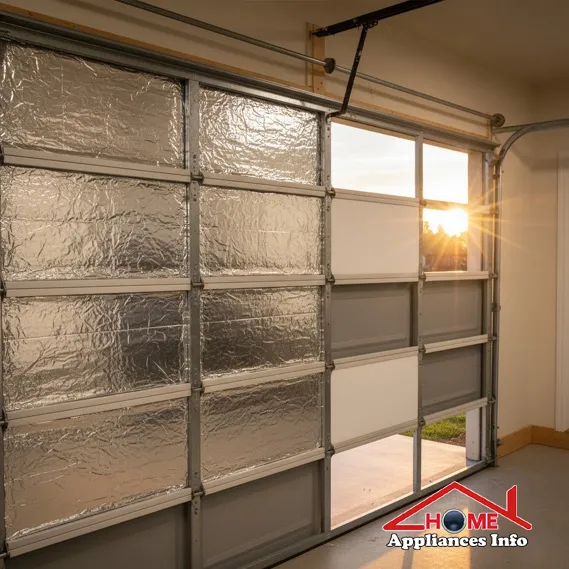
If you live where summers are intense, reflective foil can be a strong ally. 🌞
Reflective insulation uses foil surfaces to bounce radiant heat away from your garage. It is thin and lightweight. It works best when paired with an air gap between the foil and the door.
How reflective insulation protects health
High garage heat can affect your whole home. It can heat shared walls and push warm air into bedrooms or living areas. That forces your heart and lungs to work harder in a warmer house.
Reflective insulation helps by:
- Cutting radiant heat gain from direct sun
- Keeping workout spaces more comfortable
- Reducing risk of heat stress when you use the garage
If you do crafts, exercise, or medical treatments in the garage, this can feel life‑changing.
Where reflective foil shines
Reflective foil works best when:
- Your door faces direct afternoon sun
- You live in a hot or mixed climate
- You already insulated walls but not the door
It is not as strong for freezing climates on its own. However, it can be combined with foam panels for hybrid performance.
Quick installation outline
- Clean the inside of the garage door.
- Measure each panel section.
- Cut reflective insulation to size.
- Attach using adhesive, double‑sided tape, or clips.
- Leave a small air gap where possible for best effect.
Use safety gear when cutting and working overhead. Take breaks to avoid neck or shoulder strain.
4. Weatherstripping and Seals: Small Details, Big Difference
Many people focus only on panels and forget the gaps. Yet air leaks can undo much of your garage door insulation effort.
Warm or cold air slips in through:
- Sides of the door
- Top header gap
- Bottom of the door against the floor
That air carries dust, pollen, exhaust fumes, and moisture. All can affect your lungs and allergies, especially if your garage connects directly to your home.
Types of seals to consider
Key products include:
- Side and top weatherstripping
- Flexible vinyl or rubber that hugs the door edges
- Bottom door sweep
- A rubber or vinyl strip that compresses against the floor
- Threshold seal
- A raised strip bonded to the floor for tighter closure
Together, these cuts drafts and fumes. They also help keep insects and rodents out, which supports hygiene and respiratory health. 🐭
Health and comfort benefits
When you seal your door perimeter, you:
- Reduce cold drafts that cause joint stiffness
- Limit dust and pollutants entering living areas
- Help your heating and cooling systems work less
- Protect stored medical supplies and foods from moisture
Pros
- Very budget friendly
- Fast and simple to install
- Works with every other insulation method
- Big impact on comfort and air quality
Cons
- Needs checking and replacement over time
- Won’t fix major structural gaps or warped doors
When to start with seals
If your budget is very tight, begin here. Many families feel a clear difference just from:
- A new bottom seal
- Fresh side weatherstripping
- A threshold strip along the floor
Then you can add panels, kits, or foil later.
5. Replace with an Insulated Garage Door
Sometimes the best solution is a fresh start. If your door is old, damaged, or very thin, replacing it with an insulated model can be wise.
Modern insulated doors often include:
- Steel outer skin
- Inner foam core
- Optional extra steel or composite layer
These doors offer excellent thermal performance. They also look clean and modern, which can lift your mood and pride in your home.
Health and lifestyle advantages
A new insulated door can turn a harsh space into a supportive one. You gain:
- Quieter operation, which lowers stress
- More stable indoor air temperature
- Better environment for workouts, hobbies, or remote work
If you have children or older adults moving through the garage, a more comfortable temperature supports safety. No one faces sudden icy blasts or stifling heat when stepping through.
Costs and savings
This is the most expensive option in this list. But it can bring strong long‑term returns:
- Lower energy bills
- Better resale value
- Less maintenance than very old doors
Think of it as part comfort project, part health investment.
When a new door makes sense
Consider replacement if:
- The door panel is cracked or rusted
- Hardware is failing repeatedly
- You plan major home upgrades or resale
- You want maximum best garage door insulation performance
Always work with a licensed installer. Garage door springs store serious tension. Improper work can be dangerous.

6. Insulate the Whole Garage Envelope for True Comfort
To get the most from any garage door insulation, look beyond the door itself. Think of your garage as a full “envelope.”
Key areas include:
- Exterior walls
- Ceiling or attic space above the garage
- Interior door leading into the house
Treating these areas can transform how your entire home feels.
Why the whole envelope matters
If walls and ceiling are bare, heat and cold still rush in. The door becomes just one piece of a much larger puzzle.
A more complete approach might include:
- Fiberglass or mineral wool batts in the walls
- Rigid foam on the ceiling or roof deck
- Sealing gaps around pipes, outlets, and lights
This does more than comfort. It can support cardiovascular and respiratory health by keeping temperatures and humidity steadier.
Spray foam as an advanced option
Closed‑cell spray foam is a premium choice for walls and ceilings. It:
- Adds high insulation value
- Seals air leaks aggressively
- Adds some structural strength
It should be applied by trained professionals with proper ventilation. Done right, it creates a tight, efficient envelope that supports your door insulation.
Pros
- Major improvement in comfort and health environment
- Strong energy savings potential
- Helps protect connected living spaces
Cons
- Higher initial cost
- Requires more planning and sometimes permits
- Spray foam demands professional installation
Best for
- Garages converted to gyms, studios, or offices
- Homes in extreme climates
- Families with high health sensitivity to temperature or humidity
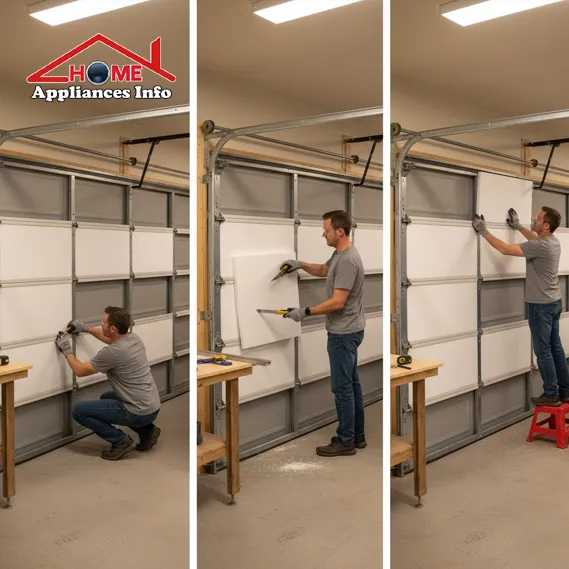
How to Insulate a Garage Door: Simple Step‑by‑Step Guide
Here is a basic safe approach you can adapt to any method.
1. Plan and measure
- Decide which insulation type fits your door and climate.
- Measure each door panel, plus total width and height.
- Note any windows, braces, or locks you must work around.
2. Check door and opener safety
- Inspect hinges, rollers, and tracks for damage.
- Test the automatic opener safety reverse.
- Make any needed repairs before adding weight from insulation.
3. Gather tools and supplies
Common tools include:
- Tape measure
- Utility knife or insulation saw
- Straight edge for cutting
- Safety glasses and gloves
Prepare all materials before starting. That reduces fatigue and accident risk.
4. Cut insulation to fit
- Follow kit instructions, or use your measurements.
- Make clean, square cuts for a snug fit.
- Keep scraps for small gaps or patching.
5. Install panels or foil
- Attach clips or adhesive as recommended.
- Press each piece firmly into place.
- Ensure no bulging that might hit the track.
6. Add or refresh seals
- Install new side and top weatherstripping.
- Replace worn or cracked bottom sweeps.
- Consider a threshold seal for uneven floors.
7. Test the door
- Open and close the door manually first.
- Then test the automatic opener.
- If the door feels heavy or unbalanced, call a professional.
For more detailed visuals, you can review an expert guide like how to insulate a garage door from a trusted home repair source:
How to insulate a garage door
Always listen to your body while working. Take breaks to drink water, stretch, and rest your back and shoulders.
Comparison Table: Which Garage Door Insulation Option Fits You?
| Solution | Upfront Cost | DIY Difficulty | Energy Impact | Best For | Key Health Benefit |
|---|---|---|---|---|---|
| Garage door insulation kit | Low | Easy | Moderate | Fast, budget projects | Smoother temps, better comfort |
| Rigid insulation panels | Medium | Moderate | High | Long‑term performance | Stable environment for stored items |
| Reflective foil insulation | Low–Medium | Easy | High (heat) | Hot, sunny climates | Less heat stress, cooler workout space |
| Weatherstripping and seals | Very low | Very easy | Moderate | Any garage, first step | Fewer drafts, less dust and fumes |
| New insulated garage door | High | Pro needed | Very high | Aging or damaged doors | Quiet, calm, health‑supporting environment |
| Whole garage envelope (walls, ceiling) | Medium–High | Mix / Pro | Very high | Garages used as living spaces | Stable temp and humidity for whole home |
FAQs About Garage Door Insulation
1. Is insulating my garage door really worth it?
Yes. Insulating the door lowers heat transfer, which reduces energy loss. You feel it as a more comfortable garage and calmer nearby rooms. Many households notice lower heating and cooling bills within the first year.
2. Will insulation make my garage door too heavy?
Most modern garage door insulation panels and kits are designed to keep weight reasonable. Still, added weight can affect door balance. After installation, always test the door manually. If it feels heavy or stops mid‑travel, contact a garage door professional.
3. Can insulation cause moisture or mold problems?
Insulation does not cause moisture by itself. Problems come from poor sealing or existing leaks. Protect yourself by:
- Sealing roof and wall leaks
- Using proper vapor barriers where needed
- Ventilating the garage regularly
A dry, insulated garage helps protect lungs and sinuses.
4. How long does garage door insulation last?
Lifespan depends on the material and installation quality. Rigid foam panels and well‑built insulated doors can last decades. Basic kits may need tightening or partial replacement after several years, especially in harsh climates.
5. Does insulated garage door help with noise?
Yes. Most insulation adds sound dampening. You will likely notice:
- Less street noise entering
- Quieter door operation
- Calmer environment for exercise or work
Reduced noise can lower stress and support mental well‑being.
6. Can I insulate a wooden garage door?
Usually yes, but with care. Wood can carry more weight than thin steel, yet it still needs balance. Use lighter materials like foam board rather than very heavy batts. Always recheck the spring balance afterward.
Bringing It All Together: Choose the Right Garage Door Insulation for You
You do not have to live with a freezing or sweltering garage. Thoughtful garage door insulation can protect your health, comfort, and budget.
Here is a simple way to decide:
- Choose a garage door insulation kit if you want quick, affordable relief.
- Choose rigid garage door insulation panels if you seek higher performance and a clean finish.
- Use reflective foil if sun heat is your main challenge.
- Upgrade weatherstripping and seals if drafts, dust, and fumes bother you most.
- Invest in a new insulated door when your current one is failing.
- Insulate the entire garage envelope if you use the space daily for work or exercise.
Small changes add up. You create a safer space for breathing, movement, and storage. You also support your home’s overall efficiency and value.
Start with one step this week. Even adding new seals or a basic kit can shift how your body feels when you enter the garage. Over time, layering these solutions gives you the best garage door insulation setup for your climate and health needs. 🌱
Your garage does not have to be the harshest room in your home. With the right plan, it can become a calm, supportive space that helps you live, move, and breathe with more ease.


🌐 FOUNDER & DIGITAL PUBLISHER
Muhammad Ali
Founder | SEO Strategist & E-E-A-T Digital Publishing Specialist

📈 SEO Strategy
🛠️ Appliance Optimization
🛡️ E-E-A-T Standards
Muhammad Ali is a digital publisher, SEO strategist, and founder of Home Appliances Info. He specializes in home appliance optimization, structured schema networks, and advanced E-E-A-T digital publishing standards to ensure accurate, trustworthy content across the platform.
1 Comment
Pingback: pdq exit devices 11 Amazing Benefits for Modern Homes