

To support our research and detailed appliance reviews, we may earn a small commission from qualifying purchases made through our links, at no extra cost to you. As an Amazon Associate, I earn from qualifying purchases.
To support our research and detailed appliance reviews, we may earn a small commission from qualifying purchases made through our links, at no extra cost to you. As an Amazon Associate, I earn from qualifying purchases.
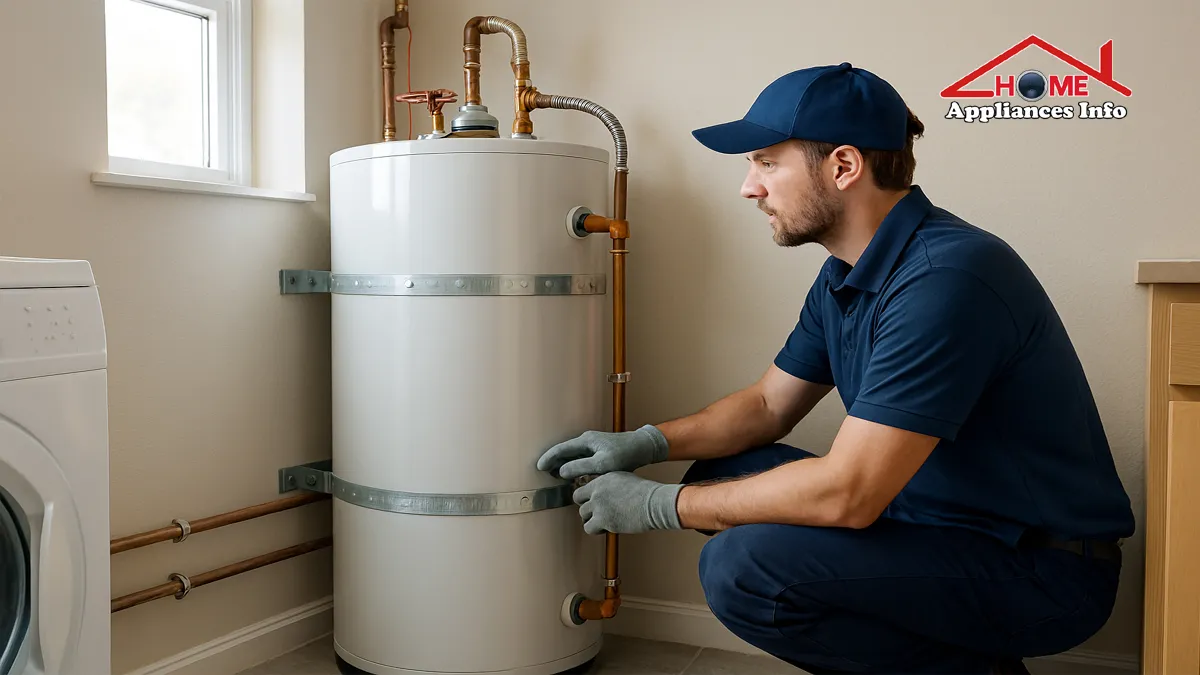
Worried about water heater replacement cost and what it means for your home and health? You are not alone.
A failing water heater does more than ruin a morning shower. It can affect:
- Your family’s safety
- Your indoor air quality
- Your stress level and budget
Let’s unpack the 10 shocking truths about what you really pay for a new water heater, including hot and gas models, and how to protect both your wallet and your well-being. 💡
1. The “price tag” is only half the story
Many people focus only on the unit price. That can be a mistake.
The real water heater replacement cost includes:
- The heater itself
- Labor and installation
- Safety upgrades
- Permit and inspection fees
- Disposal of the old unit
- Long-term energy and health impacts
Ignoring the full picture has real consequences.
A leaking tank can:
- Promote mold and mildew
- Trigger allergies and asthma
- Damage floors and walls
- Increase stress and anxiety over repairs
A new water heater is not just a home upgrade. It is a health and safety decision.
2. Labor can cost as much as the heater (and it matters for safety) 🛠️
Many homeowners are shocked when the labor quote arrives.
It is common for professional installation to equal or exceed the cost of the unit.
Why? Because safe installation is complex, especially for gas models.
Typical ranges (very general, and can vary widely):
- Basic electric tank install: 300–300–800 labor
- Basic gas tank install: 400–400–1,000+ labor
- Complex installs or code upgrades: $1,000+ labor
Labor costs rise when:
- Access is tight or the heater is in an attic
- Plumbing is old, corroded, or unsafe
- Gas lines or vents need modification
This is not just about money. Poor installation can mean:
- Gas leaks
- Carbon monoxide exposure
- Electrical hazards
- Scalding water temperatures
These are serious health risks, especially for children, older adults, or anyone with mobility issues.
Real-life example:
A family saved $250 by hiring an unlicensed installer. A small gas leak went unnoticed. Within days, they had headaches, dizziness, and eventually an emergency call. The final repair cost exceeded a proper installation, and the risk to their health was far greater.
3. Your existing plumbing can turn a “simple swap” into major surgery
Many quotes assume your existing setup is in decent shape. Often, it is not.
Hidden issues can drive up your hot water heater replacement cost:
- Corroded shutoff valves that no longer turn
- Old galvanized pipes that crumble when touched
- Deteriorated flue pipes on gas models
- No drain pan under the tank
- No expansion tank where one is now required
When a plumber opens the system, they must bring it up to today’s safety standards.
That can mean:
- Replacing valves and sections of pipe
- Adding an expansion tank
- Installing a proper drain pan and discharge line
These changes protect your home and your health:
- Reducing flood risk
- Lowering the chance of mold growth
- Helping keep water pressure more stable
It might feel frustrating, but these “extra” costs are often about avoiding larger health and repair problems later.
4. Tank size affects your bill, comfort, and even hygiene
Choosing the wrong size tank can raise both costs and stress.
Many families upgrade from a 40-gallon to a 50-gallon unit. This can increase the water heater replacement cost 50-gallon, but it may improve comfort and hygiene.
Too-small tanks can mean:
- Cold showers
- Rushed bathing
- Skipping proper cleaning or rinsing
That affects daily well-being and even skin health.
Too-large tanks can mean:
- Higher upfront cost
- Higher standby energy losses
- Overpaying month after month
Here is a rough comparison of typical replacement cost ranges for common tank sizes. These are broad estimates, not quotes.
| Type & Size | Typical Unit Cost (USD) | Typical Installed Cost (USD) | Notes on Health & Comfort |
|---|---|---|---|
| 40-gallon electric tank | 400–400–900 | 900–900–1,800 | Works for small households; may run short on hot water |
| 50-gallon electric tank | 500–500–1,200 | 1,000–1,000–2,200 | Better for families; helps avoid rushed, cold showers |
| 40-gallon gas tank | 500–500–1,200 | 1,000–1,000–2,200 | Faster recovery; needs proper venting and gas safety |
| 50-gallon gas tank | 600–600–1,400 | 1,200–1,200–2,600 | Popular family size; higher gas water heater replacement cost |
| Tankless gas (whole-house) | 900–900–2,500+ | 1,800–1,800–4,500+ | Endless hot water; higher install complexity |
Actual prices depend on brand, location, permits, and specific home conditions.
A well-sized heater supports:
- Comfortable showers
- Thorough handwashing
- Easier cleaning and laundry routines
These everyday details have real health impacts, especially for families with children or older adults.
[IMAGE PROMPT: A clean, modern utility room with a plumber standing beside a 50-gallon water heater, pointing to the tank size label while a family of three looks on. Emphasis on calm, safe, well-lit environment.]
5. Gas models can be cheaper to run, but riskier to install 🔥
Many households choose gas heaters to save on monthly bills.
It is true that gas units often have lower energy costs. However, gas water heater replacement cost can be higher because installation is more complex.
Gas water heaters require:
- Proper venting to remove combustion gases
- Correct gas line sizing and secure connections
- Adequate airflow for combustion
- Careful testing for leaks and carbon monoxide
When done correctly, a gas heater can be efficient and safe. When done poorly, the risks are serious:
- Carbon monoxide poisoning
- Fire or explosion
- Indoor air quality problems
If anyone in your home has lung conditions, heart disease, or is very young or older, safe venting and combustion testing are critical.
Always ask your installer:
- How they test for gas leaks
- Whether they check carbon monoxide levels
- If they follow local code and manufacturer instructions
The slightly higher installation cost protects your entire household.
6. Hidden code upgrades can add hundreds of dollars
Building and safety codes change over time.
If your old heater is 15–20 years old, standards have likely changed.
When you replace it, inspectors often require updates such as:
- Seismic straps in earthquake-prone regions
- A drain pan with a proper drain line
- A temperature and pressure relief (T&P) valve discharge pipe
- An expansion tank in closed plumbing systems
- Correct vent type for gas heaters
- Dedicated electrical circuits for some electric models
These items can add a few hundred dollars to your water heater replacement cost.
They also directly protect health and safety by:
- Reducing scalding risk
- Preventing catastrophic tank ruptures
- Helping prevent flood damage and mold
- Reducing fire and gas hazards
If you live with children, older adults, or anyone with disability, proper T&P valves and safe discharge lines matter even more. They help prevent dangerous, sudden failures.
7. Skipping permits can backfire with your health and insurance 🧾
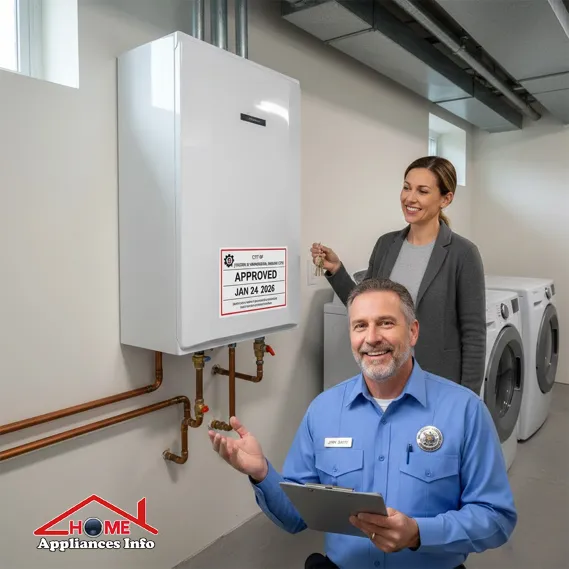
Permits feel like a hassle. Some installers even offer to “skip them” to reduce cost.
That can be a dangerous shortcut.
When you get a permit and required inspection:
- A professional checks basic safety
- Venting, gas lines, and electrical work get another review
- You have a record of compliant installation
Skipping permits can lead to:
- Insurance claims being denied after a leak or fire
- Problems when selling the home
- Unsafe venting or gas connections going unnoticed
In the worst cases, that means:
- Increased risk of fire
- Exposure to carbon monoxide
- Greater flood and mold risk when something fails
Your home is part of your health environment. Think of permits and inspections as a second opinion on its safety, not just paperwork.
8. “Emergency” replacements almost always cost more (and feel worse)
Many people discover water heater costs when the tank fails suddenly.
Situations like:
- A flooded basement
- No hot water in winter
- A rusty tank that finally bursts
In emergency situations, you often pay more because:
- You have less time to compare quotes
- After-hours or weekend fees apply
- Installers must reshuffle their schedule
- You may accept any model that is in stock
This can lead to:
- Higher hot water heater replacement cost
- A model that is not best for your health or needs
- Extra stress and disruption to your routine
Cold water in winter can make chronic pain worse.
It can affect:
- Muscle tension
- Joint stiffness
- Sleep quality
For families with babies, illness, or elderly members, no hot water can be more than an inconvenience. It can affect hygiene and comfort.
If your current heater is over 10–12 years old, consider planning replacement before it fails. That can lower cost and stress.
9. Skipping maintenance raises both health and replacement costs
Many water heaters fail early because they never receive basic maintenance.
Simple steps like:
- Flushing sediment once or twice a year
- Checking the anode rod every few years
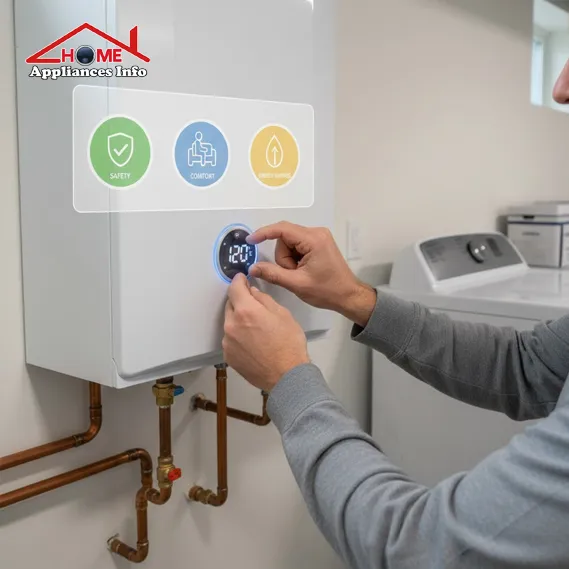
- Keeping temperature at safe levels (generally around 120°F)
These are often skipped.
The result:
- Sediment buildup that overheats the bottom of the tank
- Rust and corrosion that shorten its life
- Higher energy use
- In some systems, greater risk of bacterial growth
Poor maintenance can raise the water heater replacement cost by forcing you to buy a new tank years earlier.
There are health concerns too. In some large or complex systems, poor temperature control and stagnation can increase the risk of Legionella bacteria.
At home, the main health goals are:
- Hot enough water to limit bacterial growth
- Not so hot that it causes scalds
Regular maintenance supports both tank life and household safety.
10. The cheapest estimate may be the most expensive choice
Low bids can be tempting when money is tight.
However, a very low quote can mean:
- No permit or inspection
- Inadequate venting or gas work
- Reusing corroded valves or flex lines
- Skipping drain pans or expansion tanks
- Rushed installation with little testing
Those shortcuts can create:
- Flood risk and mold growth later
- Gas leaks or carbon monoxide exposure
- Electrical hazards
- More frequent breakdowns and earlier replacement
Over time, that “cheap” water heater replacement cost can lead to:
- Higher repair bills
- Lost time off work
- Health impacts from dampness, cold, or poor air quality
A better approach:
- Get 2–3 written estimates
- Ask what is included and what is not
- Confirm permit, inspection, and safety checks
- Ask about warranties on both parts and labor
You are not just buying metal and pipes. You are investing in a healthier, safer home environment.
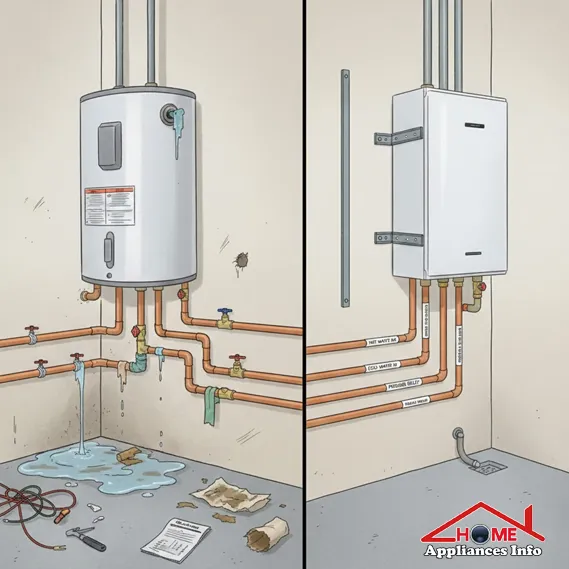
Quick guide: What really drives water heater replacement cost?
Several key factors combine to set your final bill:
- Type of heater
- Electric tank, gas tank, or tankless
- Size
- For example, a water heater replacement cost 50-gallon is usually more than a 40-gallon
- Fuel source and venting
- Gas needs safe venting and gas lines
- Location of heater
- Basement, attic, closet, or garage
- Condition of existing plumbing and wiring
- Local code requirements and permits
- Emergency vs planned replacement
Thinking through these ahead of time helps you budget realistically.
It also lets you choose options that improve health, comfort, and peace of mind.
FAQs about water heater replacement and your health 🧠
1. What is a normal range for water heater replacement cost?
For a standard tank-style heater, many homeowners pay roughly:
- 900–900–2,200 for electric
- 1,000–1,000–2,600 for gas
This includes unit and basic installation.
Complex jobs, tankless models, or major code upgrades can cost more.
Always get local quotes, since prices vary by region and even season.
2. Is it better to repair or replace a failing water heater?
Consider replacement when:
- The heater is over 10–12 years old
- The tank itself is leaking
- Repairs cost more than half a new unit
- You have frequent breakdowns
A failing heater can:
- Leak suddenly
- Promote mold
- Leave you without safe hot water
For many older units, replacement is safer and more predictable than repeated repairs.
3. How long does a typical water heater installation take?
For a straightforward tank replacement:
- Many jobs take 2–4 hours once the plumber is on-site
Expect more time if:
- Access is difficult
- Plumbing or gas lines need repairs
- Inspectors need to visit the same day
Plan your day so you are available for questions and final walkthrough.
This helps you understand operation and safety features.
4. How can I lower my hot water heater replacement cost without risking safety?
You can often reduce cost safely by:
- Replacing before an emergency
- Getting 2–3 quotes from licensed professionals
- Choosing a reliable, mid-range brand
- Picking the right-size tank, not an oversized one
- Keeping the new unit maintained
Avoid risky savings like:
- Skipping permits
- Using unlicensed installers
- Reusing unsafe old parts
Those choices may raise long-term costs and health risks.
5. Are 50-gallon heaters worth the extra cost?
If you have:
- Three or more people in the home
- Multiple showers in the morning
- A large bathtub
A 50-gallon unit can reduce:
- Cold showers
- Conflicts over bathroom time
- Stress around bathing and hygiene routines
The added water heater replacement cost 50-gallon is often modest compared with the improved comfort.
For smaller households, a 40-gallon tank may be enough.
6. How does temperature setting affect both health and energy bills?
Most experts suggest:
- About 120°F (49°C) for many homes
This temperature:
- Reduces scald risk
- Helps control energy use
- Still provides comfortable hot water
Very high settings increase:
- Burn risk, especially for children and older adults
- Energy use
Work with your installer to set a safe, efficient temperature.
Conclusion: Your water heater is a health appliance, not just hardware 💙
When you step back, water heater replacement cost is about more than dollars.
It touches:
- Your family’s safety
- Your daily comfort
- Your mental and financial stress
- The long-term health of your home
Gas models, electric units, and larger 50-gallon tanks all have their own pros, cons, and hidden costs.
By understanding these 10 shocking truths, you can:
- Budget more accurately
- Choose safer equipment
- Ask better questions of your installer
- Protect your family’s health and peace of mind
If your heater is aging, start planning now.
List your priorities:
- Safety
- Comfort
- Energy use
- Upfront budget
Then request a few detailed quotes. Ask each contractor to explain how their price covers safety features, code requirements, and long-term reliability.
A thoughtful approach can turn a stressful surprise into a planned upgrade that supports a healthier home. 🚿

🌐 FOUNDER & DIGITAL PUBLISHER
Muhammad Ali
Founder | SEO Strategist & E-E-A-T Digital Publishing Specialist

📈 SEO Strategy
🛠️ Appliance Optimization
🛡️ E-E-A-T Standards
Muhammad Ali is a digital publisher, SEO strategist, and founder of Home Appliances Info. He specializes in home appliance optimization, structured schema networks, and advanced E-E-A-T digital publishing standards to ensure accurate, trustworthy content across the platform.