

To support our research and detailed appliance reviews, we may earn a small commission from qualifying purchases made through our links, at no extra cost to you. As an Amazon Associate, I earn from qualifying purchases.
To support our research and detailed appliance reviews, we may earn a small commission from qualifying purchases made through our links, at no extra cost to you. As an Amazon Associate, I earn from qualifying purchases.
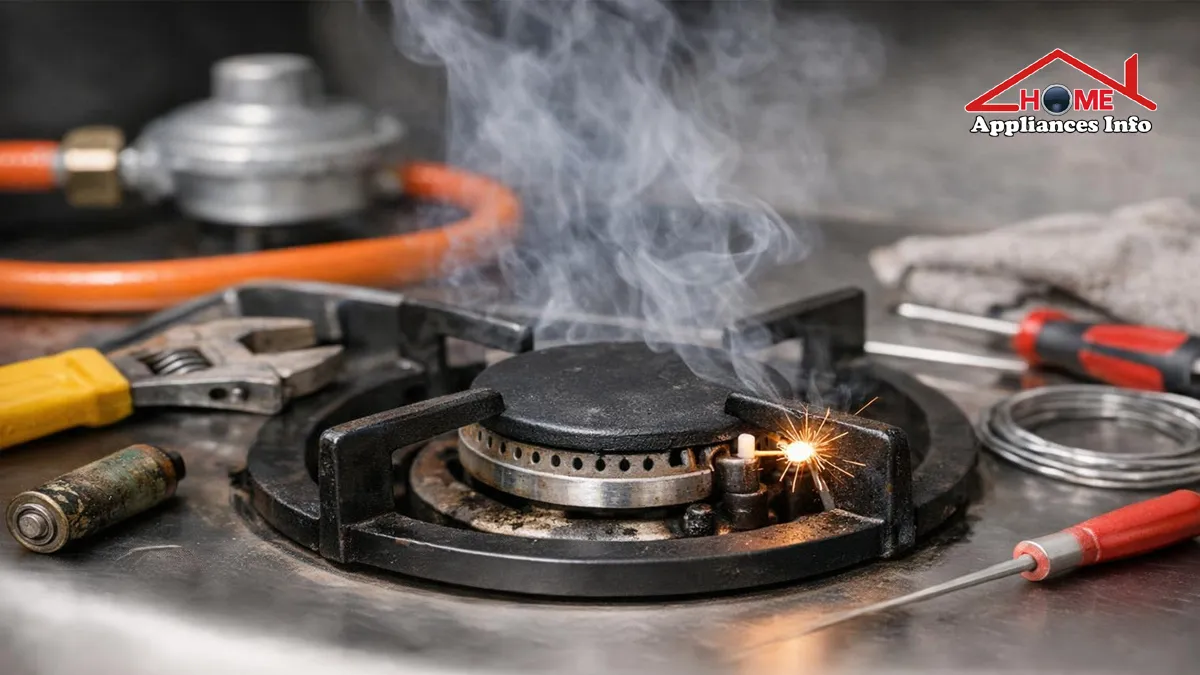
If your gas stove won’t ignite, read this article carefully—it might help you solve the issue! If your stove is working fine, bookmark this guide for future reference.
First Checks
Before diving into specific scenarios, always start with these two basic checks:
- Check the gas supply It may sound obvious, but sometimes we forget to pay the gas bill or refill the cylinder. Without gas, the stove simply won’t ignite.
- Check the battery Many gas stoves rely on batteries for ignition. If the spark is weak, slow, or accompanied by a clicking sound, the battery may be low. Replace it with a new one.
- If the battery terminals are rusty, gently polish them with gauze to restore proper contact.
Scenario 1: Flame Goes Out When You Release the Knob
If the stove ignites while pressing the knob but extinguishes immediately after releasing it, check the following:
- Correct operation Modern stoves with flame-failure protection require you to press and hold the knob for 5–10 seconds until the sensor activates.
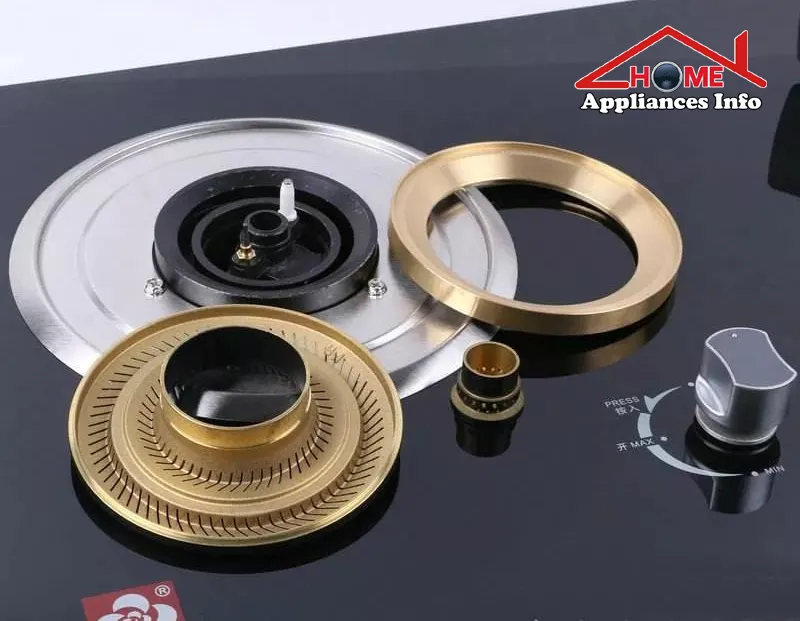
- Burner alignment Ensure the burner is properly positioned and locking tabs are aligned. Misalignment can cause the flame to extinguish and may damage the burner over time.
- Thermocouple issues
- The thermocouple may not be receiving enough heat. Adjust the air damper to increase flame size.
- If it still fails, the thermocouple may be faulty and should be replaced (usually inexpensive).
- Internal faults If none of the above works, there may be a broken connection between the flameout protection needle and the solenoid valve, or a blocked nozzle. This requires professional repair.
Scenario 2: Ignition Works Intermittently
This usually indicates poor contact in the pulse ignition micro switch. Adjusting or replacing the switch should resolve the issue.
Scenario 3: Loud Spark but No Flame
If you hear a strong popping sound but the stove won’t ignite:
- Dirty ignition needle or flameout protector Grease buildup can interfere with ignition. Clean these parts with a dry towel. If rusty, gently polish with metal—but avoid bending the needle.
- Blocked gas passage
- Check the gas valve. If you smell gas but no flame appears, the pipe may be blocked.
- If the pipe is clear, the burner nozzle may be clogged. Use a thin wire to clear it, then reassemble and test.
- Microswitch malfunction Worn or cracked microswitches can fail. Replacement is inexpensive but delicate—best handled by a professional.
- Aging high-voltage wire The black wire connecting the ignition needle may deteriorate over time, preventing ignition. Replacing or installing a high-voltage protection device is necessary, and should be done by a technician.
🧯 Conclusion and Precautions
🔧 Final Thoughts
If your gas stove won’t ignite, don’t panic—most ignition problems are minor and can be resolved with simple checks. From verifying the gas supply and battery power to cleaning the ignition needle and inspecting the thermocouple, these steps cover nearly every common cause. Regular maintenance and timely replacement of worn parts can prevent most ignition failures.
A gas stove won’t ignite situation often stems from neglecting small details like rusted terminals, clogged nozzles, or loose connections. By following the troubleshooting guide above, you can restore your stove’s performance quickly and safely. However, if the problem persists after these checks, it’s best to contact a professional technician rather than attempting complex repairs yourself.
⚠️ Precautions to Ensure Safety
- Always turn off the gas supply before inspecting or cleaning any part of the stove.
- Avoid using excessive force when handling ignition needles or thermocouples—they are delicate components.
- Keep the stove clean and dry to prevent grease buildup and corrosion.
- Replace batteries regularly and check for rust or poor contact in the compartment.
- Never disassemble internal parts unless you are trained or supervised by a professional.
- Ensure proper ventilation when testing ignition to avoid gas accumulation.
By maintaining these precautions, you’ll not only extend the lifespan of your stove but also ensure a safer cooking environment for your household.

🌐 FOUNDER & DIGITAL PUBLISHER
Muhammad Ali
Founder | SEO Strategist & E-E-A-T Digital Publishing Specialist

📈 SEO Strategy
🛠️ Appliance Optimization
🛡️ E-E-A-T Standards
Muhammad Ali is a digital publisher, SEO strategist, and founder of Home Appliances Info. He specializes in home appliance optimization, structured schema networks, and advanced E-E-A-T digital publishing standards to ensure accurate, trustworthy content across the platform.
4 Comments
Pingback: Samsung Appliance Repair: 6 Smart Hacks That Save You Money
Pingback: Why Does My Air Fryer Smell Like Plastic and How to Get Rid of It
Pingback: Pellet Stove Installation Guide: Venting, Cost & Setup Tips
Pingback: Best 36 Inch Gas Stove of 2026: Top Pro Ranges Reviewed