


To support our research and detailed appliance reviews, we may earn a small commission from qualifying purchases made through our links, at no extra cost to you. As an Amazon Associate, I earn from qualifying purchases.
To support our research and detailed appliance reviews, we may earn a small commission from qualifying purchases made through our links, at no extra cost to you. As an Amazon Associate, I earn from qualifying purchases.
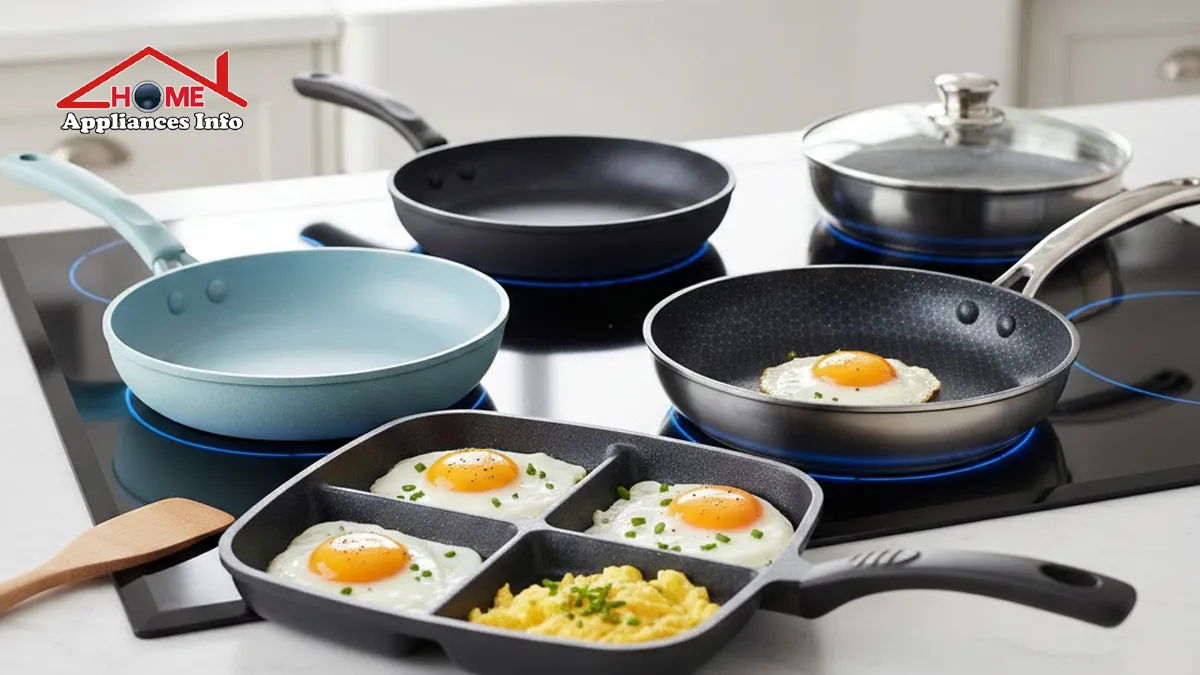
If you cook eggs often, you know how frustrating sticking can be. You may also worry about the safety of traditional Teflon coatings. That is why many home cooks now look for the best non stick pan without teflon that still cooks flawless eggs and works on induction cooktops.
You are not alone if you feel confused. There are many materials, coatings, and health claims. Some pans say “non-toxic” but do not explain what that really means. Others skip Teflon but perform poorly with eggs.
This guide breaks everything down in a simple, practical way. You will learn:
- Why many people are moving away from Teflon
- Which materials are safer choices for daily cooking
- Five excellent options for eggs on induction stoves
- How to care for your new pan so it stays nonstick longer
By the end, you will feel confident choosing the best non stick pan for eggs, health, and your specific cooktop. 🥚
Why Many People Want a Pan Without Teflon
Teflon is the brand name for PTFE, a plastic-like nonstick coating. It made cooking very convenient. But it also raised health and environmental concerns over time.
Here are the main reasons some people now avoid Teflon and similar PTFE coatings:
- Possible fumes at very high heat
- Environmental concerns from PFAS chemicals
- Coating damage over time
Concern 1: Fumes at High Temperatures
Nonstick PTFE pans can start breaking down at very high heat. This usually happens above normal egg-cooking temperatures. Still, people sometimes accidentally overheat an empty pan.
This can release fumes that may irritate people and pets. Bird owners are especially cautious, because birds are very sensitive to these fumes.
Concern 2: PFAS and Long-Term Health
Older nonstick pans often used PFOA, a type of PFAS “forever chemical,” during production. PFOA has now been largely phased out. Yet many people still worry about the whole PFAS family.
You can read more in independent resources that discuss nonstick cookware and PFAS, such as this overview on nonstick cookware safety from Harvard Health:
nonstick cookware safety.
Concern 3: Scratching and Peeling
PTFE coatings can scratch, chip, or peel over time. This can happen faster if you:
- Use metal utensils
- Stack pans without protection
- Clean with harsh scrubbers
Most evidence suggests small flakes pass through the body. Still, many people prefer to avoid eating any coating at all. They want the best non stick pan non toxic and more durable.
What Makes a Pan Safer and More “Non-Toxic”?
“Non-toxic” is not a legal term for cookware. It is more of a consumer idea. When people search for the best non stick pan non toxic, they usually want:
- No PTFE (Teflon)
- No PFOA used in manufacture
- No lead or cadmium in the coating
- Surfaces that do not react with food
Here are healthier categories many experts feel comfortable with when used correctly:
- High-quality ceramic coatings (PTFE-free)
- Enameled cast iron
- Seasoned carbon steel
- Seasoned cast iron
- High-grade stainless steel (with some technique)
Each option has trade-offs in ease of use and maintenance. But all can be used very safely.
For extra peace of mind, you can also review independent guides, such as Environmental Working Group’s advice on safer cookware materials:
healthy cookware.
Understanding Induction: Why Not All Pans Will Work
If you cook on an induction stove, your pan must be magnetic. Gas and electric stoves heat from below. Induction heats the pan itself using magnetism.
For a pan to work on induction, it needs:
- A magnetic base (often stainless steel or cast iron)
- A flat, stable bottom
- Decent thickness for even heating
Aluminum alone will not work on induction. Many modern pans solve this by adding a bonded stainless steel base. When comparing choices, always check if the pan is marked “induction compatible.”
If you want the best non stick pan for induction, look for:
- Magnetic label or “induction ready” stamp
- A base that feels solid, not flimsy
- A diameter that matches your burner
The 5 Best Non-Teflon Options for Eggs on Induction
Let’s look at five strong contenders. All avoid Teflon, work with induction (when you pick the right model), and cook eggs well with proper technique.
These are categories, not single brands. That way you can choose a specific model within your budget.
1. PTFE-Free Ceramic-Coated Induction Frying Pan 🍳
Ceramic-coated pans are very popular for people seeking the best non stick pan without teflon. They have a smooth, glass-like coating that is PTFE-free.
Most modern ceramic pans are made on an aluminum body with a magnetic stainless steel plate fused to the bottom. This makes them light, responsive, and induction friendly.
Key health and performance features:
- PTFE-free, PFOA-free coating
- Often free from lead and cadmium
- Very slick when new
- Ideal for gentle egg dishes
Why they are great for eggs:
- You can often cook with little oil or butter
- Perfect for omelets, scrambled eggs, and over-easy eggs
- Heat spreads quickly and evenly
Simple real-life example:
If you like quick weekday breakfasts, a ceramic-coated pan can make eggs slide out in seconds. It is ideal when you are half-awake and want easy cleanup.
Care tips for ceramic-coated pans:
- Use medium or low heat
- Add a little fat for smoother release
- Avoid metal utensils
- Hand wash when possible
- Do not use aerosol cooking sprays
Pros:
- Very easy to use
- Light and comfortable to handle
- Good nonstick performance when new
Cons:
- Coating can lose slickness over years
- Sensitive to overheating and rough scrubbing
If you want a “grab and go” solution, a ceramic-coated induction pan is often the best non stick pan for eggs for everyday use.
2. Enameled Cast Iron Skillet (Induction Ready and Colorful)
Enameled cast iron combines a cast iron core with a glossy enamel coating. It is naturally induction compatible and looks beautiful on the table.
The enamel is usually glass based and free from PTFE. Many premium brands also test for lead and cadmium.
Why it suits health-focused cooks:
- No exposed raw cast iron surface inside
- Non-reactive, great for acidic foods
- Very durable when cared for properly
Why it works for eggs:
- Holds steady, even heat
- Great for frittatas and baked egg dishes
- Can work for fried eggs with good preheating and fat
Real-life example:
If you enjoy weekend shakshuka or baked eggs with vegetables, an enameled cast iron skillet can go from stove to oven to table.
Tips for egg success in enameled cast iron:
- Preheat over low to medium heat
- Use a generous amount of oil or butter
- Allow eggs to set before trying to move them
Pros:
- Very long-lasting
- Beautiful and versatile
- Induction compatible by nature
Cons:
- Heavy, especially in larger sizes
- Not as slippery as new ceramic coatings
For people who value durability and presentation, this can be the best non stick pan material for one-pan egg and veggie meals.
3. Seasoned Carbon Steel Pan (Restaurant Style Results)
Carbon steel is beloved by many professional chefs. It sits between cast iron and stainless steel. It can deliver nearly nonstick performance once it is well seasoned.
Most carbon steel pans are induction compatible because they contain iron. They become darker and more slick as you build up layers of polymerized oil.
Health and material notes:
- No synthetic nonstick coating
- Just steel and cooking oil
- Very high heat tolerance
Why it is great for eggs once seasoned:
- Great for fried eggs and omelets
- Fast response to heat changes
- Very durable and repairable
Real-life example:
A carbon steel pan can feel tricky for the first few uses. But once seasoned, Monday’s fried eggs slide out as easily as from many coated pans.
How to season and maintain:
- Wash off factory coating before first use
- Apply a very thin layer of high smoke point oil
- Heat until it lightly smokes, then cool
- Repeat a few times to build a base layer
- Avoid soap during the early seasoning phase
Pros:
- Extremely durable
- Completely PTFE-free
- Becomes more nonstick over time
Cons:
- Requires patience and practice
- Not dishwasher safe
- Needs regular drying to avoid rust
For many, a seasoned carbon steel skillet becomes the best non stick pan without teflon in the long term. It rewards a little learning with years of safe, reliable cooking.
4. High-Quality Stainless Steel Skillet (With the Right Technique)
Stainless steel is often seen as “sticky.” Yet with proper method, it can cook eggs well, especially scrambled or frittatas. It is also one of the most trusted materials health-wise.
Most fully clad stainless steel pans work on induction because they have magnetic layers.
Health and safety notes:
- No coating to scratch or peel
- Non-reactive for most foods
- Often considered very safe and stable
Why it can still work for eggs:
- Great for scrambled eggs with enough fat
- Ideal for egg dishes mixed with vegetables
- Excellent browning and flavor development
Real-life example:
If you love veggie-packed scrambled eggs, a stainless steel skillet lets you sauté onions and peppers first. You then add eggs in the same pan without worry about scratching a coating.
Egg success tips in stainless steel:
- Preheat the pan on low to medium
- Add oil and let it warm until shimmering
- Add eggs only when the oil is hot
- Use a silicone or wooden spatula
Pros:
- Very durable and often dishwasher safe
- Versatile for many cooking styles
- No synthetic nonstick layer
Cons:
- Learning curve for eggs
- May need more oil or butter
- Some people are sensitive to nickel (choose lower-nickel grades if needed)
Stainless steel may not feel like the best non stick pan for eggs at first. But once you master heat control, it can be an excellent, low-maintenance, non-toxic choice.
5. Hard-Anodized Aluminum Pan with Ceramic Interior
Hard-anodized aluminum is aluminum that has been electrochemically treated. This creates a tougher outer layer. When paired with a ceramic nonstick interior and a magnetic base, it makes a strong candidate for induction.
Health and performance points:
- The interior ceramic is PTFE-free
- The hard-anodized exterior is very durable
- Aluminum is sealed, not in direct contact with food
Why it is good for eggs:
- Heats quickly and evenly
- Smooth, slick interior when new
- Great for omelets, fried eggs, and crepes
Real-life example:
If you regularly make thin egg wraps or crepes, a hard-anodized ceramic pan offers control and an even surface.
Pros:
- Nice balance of durability and ease of use
- Often lighter than cast iron
- Compatible with induction if it has a steel base
Cons:
- Coating can wear over time
- Handwashing is usually best
This style is a strong all-rounder for people who want the best non stick pan for induction that is also PTFE-free and user friendly.
Quick Comparison Table: Non-Teflon Pans for Eggs & Induction
| Pan Type | Nonstick Style | Induction Compatible? | Best For Eggs | Key Health Notes |
|---|---|---|---|---|
| Ceramic-Coated Induction Pan | PTFE-free ceramic coating | Yes, if magnetic base | Omelets, fried eggs, scrambles | No PTFE; avoid overheating and harsh scrubbing |
| Enameled Cast Iron | Glass enamel over cast iron | Yes, naturally magnetic | Baked eggs, shakshuka, frittatas | Non-reactive; heavy but long-lasting |
| Carbon Steel | Natural seasoning from oil | Yes, naturally magnetic | Fried eggs, omelets | No synthetic coating; needs seasoning |
| Stainless Steel | Technique + fat | Yes, if magnetic stainless | Scrambles, veggie-egg mixes | Very stable; no coating to peel |
| Hard-Anodized with Ceramic | PTFE-free ceramic interior | Yes, if steel plate base | Crepes, omelets, fried eggs | Sealed aluminum; avoid overheating |
How to Choose the Best Non Stick Pan Material for You
Everyone’s kitchen is different. The best non stick pan material for you depends on your habits, health priorities, and cooking style.
Here are key questions to ask yourself.
Question 1: How Much Maintenance Are You Comfortable With?
If you want almost zero maintenance:
- Choose ceramic-coated or hard-anodized ceramic pans
- Choose enameled cast iron if you accept some weight
If you do not mind some care and seasoning:
- Carbon steel can reward you with long life and great results
- Cast iron (enameled or bare) suits slower, heartier cooking
Question 2: How Important Is Ultra-Low Fat Cooking?
If you want to cook with minimal oil:
- A new ceramic-coated pan often feels best
- Hard-anodized ceramic can be similar
If you are fine using a bit more healthy fat:
- Carbon steel and stainless steel can work well
- A bit of olive oil, avocado oil, or butter can support both flavor and release
Question 3: Do You Have Any Metal Sensitivities?
Some people are sensitive to nickel or other metals. If that is you:
- Look for stainless steel labeled “nickel-free” or lower nickel grades
- Enameled cast iron can be a good alternative
- Well-seasoned cast iron or carbon steel limits direct contact with bare metal
If you have specific medical concerns, it can also be helpful to discuss cookware materials with your healthcare provider.
Question 4: How Much Does Pan Weight Matter?
If you have wrist or shoulder pain, very heavy pans can be tough.
- Lightweight: ceramic-coated aluminum with steel base, hard-anodized aluminum
- Medium: carbon steel, some stainless steel
- Heavy: enameled cast iron and traditional cast iron
Choosing a weight that feels safe for you is part of picking the best non stick pan non toxic for your daily life.
Safe Use Habits: Getting the Most from Your Pan
Whatever material you pick, how you use your pan also affects health and longevity. Here are gentle, science-backed habits.
1. Avoid Overheating
Very high heat can damage many coatings, including ceramic. It can also increase the release of fumes or tiny particles from any surface.
Safer approach:
- Use low to medium heat for eggs
- Preheat gradually
- Do not leave an empty pan smoking on the burner
2. Use the Right Utensils
To protect nonstick surfaces:
- Choose wood, silicone, or nylon utensils
- Avoid sharp metal spatulas on coated pans
- For carbon steel and cast iron, metal can be fine once seasoned
3. Gentle Cleaning
Gentle cleaning keeps your pan safe and helps it last longer.
- Let the pan cool before washing
- Use warm water, mild soap (except on very new seasoning), and a soft sponge
- Avoid steel wool on coatings
- For stuck-on bits, soak briefly instead of scrubbing hard
4. Store With Care
Stacking pans can damage coatings.
- Place a soft cloth or pan protector between stacked pans
- Avoid dropping or banging heavy pans on hard surfaces
5. Replace When Coatings Are Heavily Damaged
If a ceramic coating becomes very scratched, chipped, or rough, it is safer to replace the pan. This is especially true if the base material starts showing through.
This approach keeps your kitchen closer to the ideal of the best non stick pan non toxic in daily practice.
Frequently Asked Questions
1. Are ceramic-coated pans really safer than Teflon?
Ceramic coatings are PTFE-free and often marketed as more eco-friendly. They avoid Teflon-style plastics. They can be a safer choice when used on low to moderate heat and cared for gently. However, quality varies by brand. It is best to choose reputable manufacturers and avoid overheating.
2. Can I use metal utensils in a non-Teflon pan?
It depends on the material. Metal utensils are fine in well-seasoned carbon steel or traditional cast iron. They are not ideal for ceramic coatings, enamel, or many stainless steel interiors if you want to avoid scratches. When in doubt, use silicone or wood.
3. Is stainless steel considered non-toxic?
High-quality stainless steel is widely considered safe and stable for cooking. It resists corrosion and does not have a synthetic nonstick coating. A small amount of nickel and chromium can leach, especially with very acidic foods. Most people tolerate this well. Those with known metal sensitivities may want lower-nickel grades.
4. What is the healthiest way to fry eggs?
Use a stable, non-toxic pan and moderate heat. Add a small amount of healthy fat, like olive oil, avocado oil, or butter. Avoid burning the oil or overheating the pan. This reduces unwanted compounds in the food and the air.
5. Do induction cooktops change cookware safety?
Induction itself does not make pans less safe. In fact, induction can offer more precise temperature control. This can help you avoid overheating, which protects both your health and your pan’s surface. Just be sure your pan is induction compatible and magnetic.
6. How often should I replace a nonstick pan?
For coated pans (ceramic or others), consider replacement when:
- Food sticks badly despite proper use
- The surface is scratched, chipped, or peeling
- You see exposed base metal
Carbon steel, cast iron, and stainless steel can last decades with proper care. They do not rely on a thin coating for performance.
Conclusion: Choosing Your Best Non Stick Pan Without Teflon
You do not have to choose between easy eggs and peace of mind. With a little knowledge, you can find the best non stick pan without teflon that fits your health goals, your cooking style, and your induction stove.
Here is a quick recap:
- Ceramic-coated induction pans offer very easy use for daily eggs 🍳
- Enameled cast iron is durable, beautiful, and perfect for baked egg dishes
- Carbon steel gives restaurant-level results once seasoned
- Stainless steel is versatile, very stable, and coating-free
- Hard-anodized aluminum with ceramic interior balances strength and convenience
The best non stick pan for induction in your home will match your comfort with maintenance, your need for light weight, and how you like to cook eggs.
If you feel drawn to a certain material, start there. Invest in one high-quality pan, learn how it behaves, and give yourself a little time to adjust.
With the right pan and gentle habits, you can enjoy healthier, delicious eggs and everyday cooking for years to come. And each time you reach for that pan, you will know you chose it with both wellness and practicality in mind. 🌱

2 Comments
Pingback: Ceramic Cookware Set – 7 Amazing Choices for a Non-Toxic Kitchen
Pingback: Pizza Pan: 7 Best Secrets for Perfect Crispy Crusts