




If you or your family spend time on the floor, your carpet shampoo routine is a health decision, not just a cleaning task. Children crawl on the carpet. Pets nap there. You breathe whatever lingers in those fibers every single day.
Store-bought formulas can remove stains. Yet some leave chemical residues, fragrances, and irritants behind. These can affect sensitive skin, trigger headaches, or worsen allergies.
The encouraging part is this. With a few smart changes and some simple homemade carpet shampoo options, you can clean deeply and support better indoor health at the same time. Let’s explore seven science-informed secrets that help you aim for the best carpet shampoo results while being kind to your lungs, skin, and overall well‑being. 🌿
1. Secret: Choose Ingredients Your Lungs and Skin Can Live With
The first secret is simple. What goes into your carpet goes into your air.
Many traditional cleaners contain:
- Strong synthetic fragrances
- Dyes
- Optical brighteners
- Harsh solvents
These can leave behind residues. Those residues break down slowly and can off-gas. Sensitive people may notice:
- Itchy or dry skin
- Stuffy nose or sneezing
- Headaches or dizziness
- Worsened asthma symptoms
To protect health, look for or create formulas that are:
- Fragrance-free or very lightly scented
- Dye-free
- Low in VOCs (volatile organic compounds)
- Biodegradable and plant‑based when possible
- pH-balanced (not extremely acidic or alkaline)
When shopping, check for third‑party certifications such as:
- Green Seal
- EcoLogo
- Safer Choice (U.S. EPA)
These labels suggest a safer profile for people and the environment.
For a homemade carpet shampoo, favor ingredients like:
- Distilled water
- White vinegar (for mild deodorizing)
- A small amount of fragrance‑free liquid castile soap
- Baking soda as a separate dry treatment
Example:
A parent with a baby learning to crawl may switch from a heavily perfumed detergent to a simple, fragrance‑free formula. They often report less lingering smell and fewer rashes around knees and hands.
2. Secret: The Right Carpet Shampoo Dilution Protects Your Indoor Air
Using more cleaner does not equal cleaner carpets. It often means more residue.
Too much carpet shampoo can:
- Leave a sticky film on fibers
- Trap dust and allergens
- Require more rinsing and water
- Increase drying time and mold risk
This can directly affect health. Damp, soapy carpets can hold:
- Dust mites
- Pet dander
- Bacteria
- Mold spores
All of these are known indoor triggers for allergies and asthma.
How to Dilute Safely
- Follow machine guidelines.
Check your carpet cleaner’s manual. Use the recommended amount only. - Do a test pass.
Clean a small area and feel the carpet after it dries. It should not feel stiff or sticky. - Add a rinse pass.
If your machine has a rinse mode, use clear water after shampooing. This helps remove extra detergent. - Avoid mixing products.
Never combine several different cleaners. You may create more fumes or irritating residues.
Example:
Someone with seasonal allergies reduces their shampoo concentration by one‑third. They add an extra rinse. Their carpets still look clean, but they notice fewer sniffles after cleaning. 😌
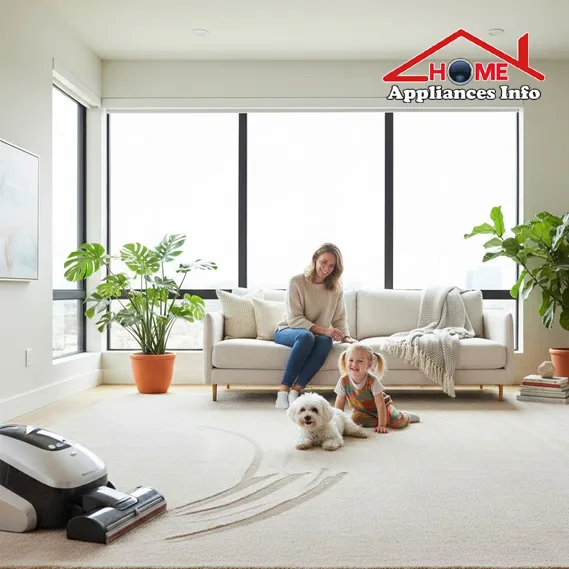
[IMAGE PROMPT: A bright family living room with a parent using a carpet cleaning machine on a light-colored carpet. Sunlight streams through windows, and a child and dog sit safely on a dry, clean section of carpet in the background, emphasizing a healthy, fresh home environment.]
3. Secret: Use Homemade Carpet Shampoo Recipes That Respect Sensitive Bodies 🌿
Many people want control over ingredients. That is where homemade carpet shampoo can help. The goal is not just stain removal. The goal is a healthier surface for bare feet, hands, and paws.
Gentle All‑Purpose Homemade Formula
This mild mix works for many synthetic carpets. Always spot‑test first.
- 2 cups warm distilled water
- 1 cup white vinegar
- 1 teaspoon fragrance‑free liquid castile soap
Stir gently to avoid foam. Use in a machine if the manufacturer allows gentle solutions. Or dab onto stains with a soft cloth, then blot with clean water.
Why it helps health:
- Water dilutes soil and supports rinsing.
- Vinegar helps with odors and light mineral deposits.
- Castile soap lifts oils with fewer harsh additives.
Deeper Cleaning for Households With Pets
Pet accidents can introduce bacteria and odors. This option works as a targeted spot treatment.
- Blot up as much liquid as possible.
- Sprinkle baking soda over the damp area.
- Let sit for 15–30 minutes, then vacuum.
- Mix 1 cup warm water with ½ cup vinegar.
- Lightly mist the area and blot again.
Avoid strong essential oils directly on carpets, especially where pets or babies play. Some oils can irritate skin or be toxic to animals.
Comparing Carpet Shampoo Options
| Option | Main Ingredients | Best Use Cases | Health Considerations |
|---|---|---|---|
| Standard store-bought liquid | Surfactants, fragrance, dyes, preservatives | Heavy soil, quick cleaning | May contain irritants and VOCs; check labels |
| Fragrance-free commercial | Mild surfactants, no fragrance or dyes | Allergy or asthma-prone homes | Usually better for sensitive people |
| Homemade vinegar-castile mix | Water, vinegar, castile soap | Routine freshening, light stains | Simple ingredients; still test for personal sensitivities |
| Baking soda pre-treatment | Baking soda | Odor control, pet areas | Generally low risk; avoid overuse on delicate fibers |
Example:
A pet owner uses baking soda and a vinegar solution on a recurring urine stain. The smell lessens, and their dog spends more time on that area again, without heavy chemical scents. 🐶
4. Secret: Target Allergens, Not Just Dirt
Carpets can trap allergens very effectively. That can be helpful or harmful.
When well maintained, carpet fibers can hold dust and pollen until you remove them. When cleaning habits are irregular, these particles build up. This can affect people with:
The U.S. Environmental Protection Agency discusses carpets and indoor air quality and how cleaning practices influence health. Regular care is essential.
Health‑Focused Cleaning Routine
- Pre‑vacuum thoroughly.
Use a vacuum with a HEPA filter. This removes loose particles before using any wet carpet shampoo. - Shampoo high‑traffic areas more often.
Entries, hallways, and family rooms may need cleaning every 3–6 months. - Prioritize bedrooms.
This matters for people with asthma or dust mite allergies. Aim for gentle cleaning at least twice per year. - Vacuum again after drying.
This last step helps lift any remaining loosened particles.
Tips for Very Sensitive People
- Ask your doctor or allergist about your cleaning plan.
- Schedule shampooing when the most sensitive person can be elsewhere.
- Use air purifiers with HEPA filters during and after cleaning.
Example:
A person with asthma focuses on bedroom carpets. They vacuum with a HEPA filter twice weekly and shampoo lightly every few months. Nighttime coughing often becomes less frequent.
5. Secret: Drying After Carpet Shampoo Is a Health Step, Not Just a Chore 💨
Many people focus on the wash step and rush the dry step. Yet moisture control is crucial for a healthy home.
Damp carpets can support:
- Mold and mildew
- Bacterial growth
- Dust mite populations
These growths release particles and compounds that may irritate airways and skin.
Safe Drying Practices
- Use fans.
Aim portable fans across the carpet surface, not directly down. - Open windows when weather allows.
Cross‑ventilation helps moisture escape. - Use a dehumidifier.
This is especially helpful in basements or humid climates. - Avoid heavy furniture on damp carpet.
Furniture can trap moisture and create hidden mold spots. - Keep people off until fully dry.
Walking on wet fibers pushes dirt deeper and slows drying.
Most carpets should dry within 6–12 hours. If an area stays damp longer, increase airflow and dehumidification. Watch for musty smells, which signal possible mold.
Example:
A family uses floor fans and opens opposite windows after cleaning. Their carpets dry by evening, and there is no musty odor the next day.
6. Secret: Match the Best Carpet Shampoo to Your Family’s Health Needs
Not every household needs the same product. The best carpet shampoo for one person may be wrong for another.
For Households With Babies and Young Children 👶
- Prefer fragrance-free and dye-free formulas.
- Avoid strong essential oils on play areas.
- Choose solutions with short, understandable ingredient lists.
- Rinse well to reduce residue where hands and faces touch.
For People With Asthma or Chronic Lung Conditions
The American Lung Association offers guidance on cleaning and lung health. Key ideas include:
- Avoid strong fumes and heavy fragrances.
- Ventilate well while cleaning.
- Consider wearing a well‑fitting mask during vacuuming and shampooing.
Look for:
- “Low VOC” or “No VOC” on labels
- Independent safety certifications
- Clear instructions about dilution and ventilation
For Homes With Pets
- Ensure the formula is labeled pet‑safe when used as directed.
- Prevent pets from licking wet carpet.
- Rinse well if your pet often lies on the floor.
When Homemade Is the Best Choice
Homemade solutions can be useful if:
- You react to many commercial additives.
- You want tight control over every ingredient.
- You only need light cleaning or periodic freshening.
However, for severe stains, deep pet damage, or water damage, you may still need a professional using health‑conscious methods.
Example:
A person with migraines notices that scented cleaners trigger attacks. They switch to a fragrance‑free commercial option and a basic vinegar mix for small spots. The cleaning routine becomes more tolerable.

7. Secret: Build a Long‑Term Healthy Carpet Care Routine 🧼
A single deep clean helps. A routine protects.
To support long‑term health, combine your carpet shampoo strategy with simple daily and weekly habits.
Weekly Habits
- Vacuum high‑traffic areas 2–3 times per week.
- Use a vacuum with a HEPA filter if possible.
- Remove shoes at the door to reduce outdoor pollutants.
- Shake or wash door mats regularly.
Monthly to Seasonal Habits
- Spot‑clean spills immediately with diluted gentle cleaner.
- Use your chosen best carpet shampoo for moderate stains.
- Rotate furniture when possible to prevent deep wear patterns.
Annual or Semi‑Annual Habits
- Deep‑clean carpets at least once per year.
- In homes with pets, allergies, or children, consider every 4–6 months.
- For severe allergies, discuss frequency with your healthcare provider.
When you schedule cleaning, think about:
- Weather conditions for better drying
- Availability of ventilation
- Times when vulnerable family members can be out of the home
Example:
A couple plans carpet cleaning every spring and fall. They coordinate with days when they can open windows and spend time outdoors. Over time, they notice fewer musty smells and less dust buildup.
FAQs About Healthier Carpet Shampoo Habits
1. Is homemade carpet shampoo safe for babies and toddlers?
It can be, when used carefully. Choose very simple recipes with vinegar, water, and tiny amounts of gentle, fragrance‑free soap. Always rinse well, let the carpet dry fully, and spot‑test first. If your child has eczema, asthma, or allergies, check with their pediatrician before changing products.
2. How often should I shampoo my carpets if I have allergies?
Many people with allergies benefit from deep cleaning every 3–6 months. Bedrooms and living areas may need more frequent care. Between shampoos, vacuum with a HEPA filter at least once or twice weekly. Your allergist can help tailor a schedule to your symptoms.
3. Can I use a vinegar-based homemade solution in any carpet machine?
Not always. Some machines and some carpet types do not tolerate acidic solutions well. Check your machine’s manual and your carpet warranty first. If they prohibit vinegar, stick to approved low‑fragrance or fragrance‑free commercial cleaners.
4. What is the safest carpet shampoo for pets?
Look for pet-safe labels, low or no fragrance, and dye-free formulas. Avoid products that leave strong scents. Pets have sensitive noses and may lick their paws after walking on carpet. Rinse thoroughly and keep animals off the carpet until it is fully dry.
5. Do I still need professional cleaning if I use homemade carpet shampoo?
In many homes, yes. Professionals can remove deeply embedded soil, water damage, and heavy pet stains more effectively. Choose companies that offer low‑VOC or “green” cleaning options. Ask them to explain their products before they start.
6. My carpet smells musty after shampooing. Is that a health concern?
A musty smell can suggest lingering moisture or early mold growth. Increase ventilation and use fans and dehumidifiers. If the smell persists, or if you see visible mold, contact a qualified professional. Mold can trigger respiratory symptoms for many people.

Conclusion: A Healthier Home Starts Under Your Feet
Your choice of carpet shampoo is about more than stains and appearances. It is about what you and your family breathe, touch, and live with every day.
By:
- Choosing gentler ingredients
- Diluting correctly and rinsing well
- Using thoughtful homemade carpet shampoo recipes
- Controlling drying and ventilation
- Matching the best carpet shampoo to your household’s sensitivities
- And building a steady maintenance routine
you can create carpets that look clean and support better health.
Start with one small change this week. Maybe switch to a fragrance‑free formula, try a simple homemade mix on a test patch, or improve your drying process. Over time, these choices can transform not just how your floors look, but how your home feels to everyone who lives there. 🌿🏡

