



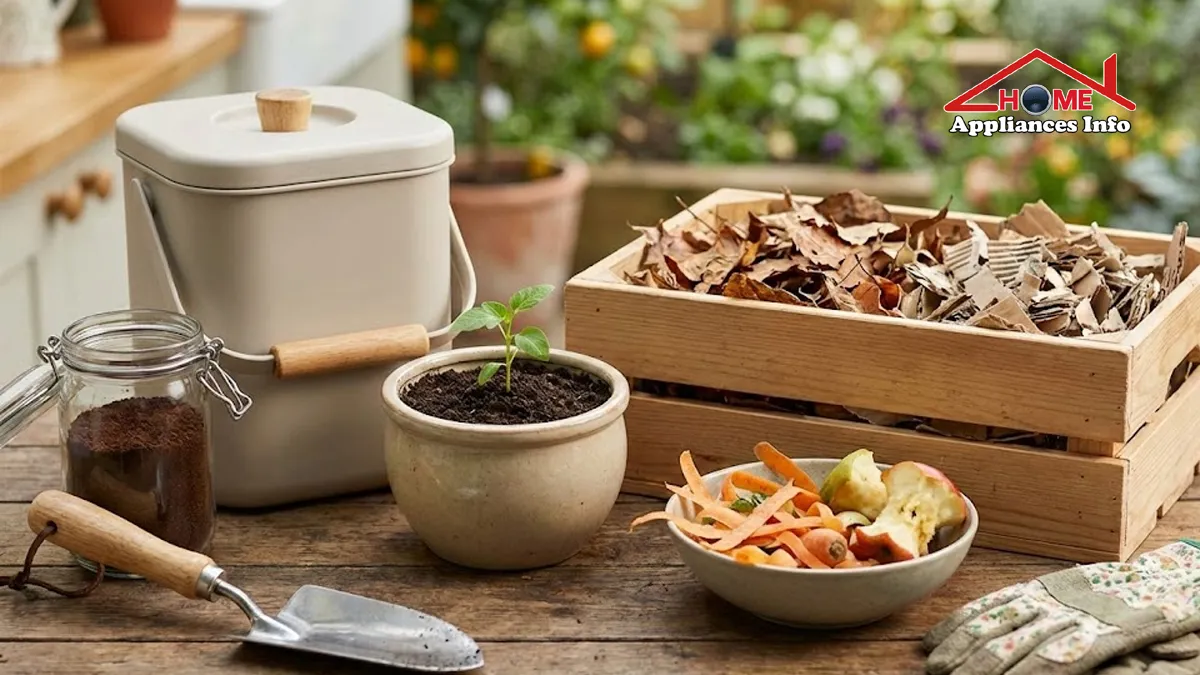
If your kitchen trash smells, fills fast, and feels wasteful, you are not alone. Many households feel overwhelmed by food scraps and packaging. Composting can look complicated, especially with new gadgets and home systems everywhere.
The heart of composting basics is simple. You help nature recycle food scraps into safe, rich material that supports cleaner air, healthier soil, and a calmer home. With the right home appliance or setup, it can also be tidy and easy.
This guide walks you through seven proven steps. You will learn how to pick safe tools, avoid pests, and protect your family’s health. Think of it as your friendly playbook for healthy, low-stress composting at home. 🌿
1. Know How Composting Supports Your Health and Home 🏡
Before talking about bins and gadgets, it helps to know why composting matters to your health. This foundation sits at the core of all composting basics.
How composting affects your daily health
When food scraps sit in your regular trash, they:
- Rot and release strong odors.
- Attract pests like flies, mice, and roaches.
- Can leak liquid that breeds bacteria and mold.
A dedicated compost appliance or system changes this pattern. It keeps organic waste in a controlled space. Microbes break food down in a healthier way.
Health-related benefits can include:
- Cleaner indoor air: Less rotting food in trash means fewer unpleasant smells and volatile compounds.
- Fewer pests: Properly sealed bins and correct materials discourage pests that carry disease.
- Less mold growth in trash cans: Drier, well-managed compost reduces slimy buildup.
- Reduced exposure to harsh chemicals: Finished compost can support a garden with less synthetic fertilizer.
Research on composting and health highlights benefits beyond the home, including soil health and reduced pollution. You can explore more in this overview on
composting and health.
Psychological and lifestyle benefits
There is also an emotional side. Many people feel guilty throwing away food. Turning scraps into value eases that stress.
People often report:
- A stronger sense of control over household waste.
- Pride in teaching children about nature and responsibility.
- Calm from caring for plants grown in their own compost.
You do not need to become a gardening expert. You only need a simple routine that fits your life. The remaining sections will help you build that, step by step.
2. Choose the Right Home Compost Appliance for Your Health Needs ⚙️
A key part of composting basics is using tools that match your space, routine, and health priorities. Not every system fits every home.
Common types of home compost setups
Here are the main options you will see:
- Kitchen compost caddy or pail:
Small container on the counter or under the sink. Often with a carbon filter. Holds scraps until they move outdoors or to another system. - Electric composter or “food recycler”:
Countertop or floor appliance that heats, dries, and grinds scraps. It produces a dry, soil-like amendment rather than traditional compost. Great for odor control. - Worm bin (vermicompost):
Uses special worms, bedding, and microbes. Can live indoors in a ventilated bin. Produces rich “worm castings.” - Bokashi system:
Uses airtight buckets and special bran with microbes. Ferments scraps before they go outside to finish breaking down. - Outdoor bin or pile:
Simple container or open area in the yard. Best for those with some outdoor space and time.
Health-focused comparison of common systems
| Method | Best For | Key Health Advantages | Things to Watch For |
|---|---|---|---|
| Kitchen compost caddy | Any home, very small spaces | Reduces trash odors; easy to empty frequently | Must empty often to avoid fruit flies and mold |
| Electric composter | Busy households, apartments | Fast, low-odor, sealed chamber | Needs electricity; filter changes and cleaning required |
| Worm bin | Gardeners, kids’ learning, indoor setups | Quiet, low energy, high-quality castings | Needs proper moisture; some people dislike seeing worms |
| Bokashi bucket | People with meat/dairy scraps | Airtight, minimal odor if used correctly | Bucket liquid must be handled carefully |
| Outdoor compost bin/pile | Yards, higher volume scraps and yard waste | Large capacity, no power needed | Needs pest-proofing, turning, and weather protection |
Match the appliance to your health priorities
Ask yourself:
- Odor sensitivity: Are you or family members sensitive to strong smells? If yes, look for sealed systems with filters or electric composters.
- Mobility and strength: Can you easily lift buckets or turn outdoor piles? If not, choose lighter containers or automated devices.
- Immune system concerns: If someone has a weakened immune system, avoid direct contact with very fresh, moist compost. Use gloves and keep the area ventilated.
Choosing well here reduces stress later. Your appliance should support a calm, clean kitchen, not create new concerns.
3. Know What You Can and Cannot Compost Safely 🥕🚫
A core piece of composting basics is learning what belongs in your system. The right choices protect your health, your appliance, and your home.
Safe items for most home systems
These are generally safe for typical home compost setups:
- Fruit and vegetable scraps
- Coffee grounds and paper filters
- Tea leaves and paper tea bags (without plastic mesh)
- Crushed eggshells
- Plain cooked rice or pasta in small amounts
- Shredded plain paper and cardboard (no glossy ink)
- Yard waste like dry leaves and small plant trimmings
These materials:
- Break down well.
- Do not usually cause strong odors if balanced with dry material.
- Support beneficial microbes that help protect plant health.
Items to avoid or limit for health and pest control
Some scraps can cause problems:
- Meat, bones, and fish:
High risk of strong odors and pests. Also more likely to harbor harmful bacteria. - Dairy and oily foods:
Slow to break down and can go rancid. They can smell and attract rodents. - Large amounts of baked goods or sugary foods:
Attract ants and other pests easily. - Glossy, colored, or heavily printed paper:
May contain inks or coatings that are not ideal for soil. - Pet waste from cats and dogs:
Can contain parasites and pathogens. Avoid in regular home compost.
If you use an electric composter or bokashi system, some of these rules change slightly. Always follow the manufacturer’s safety guidance.
Simple kitchen “yes/no” habit
To keep things easy, post a short list on your fridge or cabinet:
- Always yes: Fruit, vegetables, coffee, tea, eggshells, plain paper.
- Check first: Cooked foods, grains, and bread.
- Usually no: Meat, fish, dairy, lots of oil, pet waste.
This small habit protects air quality, reduces pests, and keeps your composting appliance running smoothly.
4. Balance “Greens” and “Browns” to Avoid Smells and Mold 🌱🍂
Many people think compost smells bad. In reality, well-balanced compost often smells like fresh soil. The secret is the mix of “greens” and “browns.” This balance is one of the most important composting basics.
What are “greens” and “browns”?
- Greens:
Wet, nitrogen-rich materials.
Examples: fruit and vegetable scraps, coffee grounds, fresh grass. - Browns:
Dry, carbon-rich materials.
Examples: dry leaves, shredded cardboard, paper towels without chemicals.
In most home systems, food scraps are the main greens. You usually add browns to keep the system stable.
Why balance matters for your health
A good balance:
- Reduces strong odors.
- Limits slime and mold overgrowth.
- Helps the compost heat slightly, which can reduce some pathogens.
- Keeps flies, gnats, and rodents less interested.
Too many greens can cause sour smells and visible mold. Too many browns slow the process too much.
Easy ratio rule for beginners
You do not need to measure every cup. Use this simple approach:
- Add a thin layer of browns every time you add fresh food scraps.
- Aim visually for about two parts browns to one part greens in a bin or outdoor pile.
Example:
- After a bowl of vegetable peels goes into the caddy, cover it with a handful of shredded paper.
- Once you empty the caddy into an outdoor bin, sprinkle another layer of dry leaves or cardboard.
For electric composters, check the manual. Many do not require extra browns, but odor control scraps (like baking soda) may help.
5. Keep Your Compost Appliance Clean and Pest-Free 🧽
Healthy composting does not mean dirty counters or smelly corners. Cleanliness is central to both home hygiene and long-term success.
Daily or frequent habits
These small steps make a big difference:
- Empty kitchen caddies often.
Every one to three days is ideal, depending on heat and volume. - Wipe the lid and rim.
Use a mild soap or vinegar solution. This removes residue that attracts fruit flies. - Rinse filters and parts as directed.
If your system has a carbon filter or removable parts, maintain them as the maker suggests. - Wash your hands after handling scraps or compost.
Treat compost like raw food. It is natural but still carries microbes.
Weekly or monthly deep cleaning
Plan a regular deeper clean:
- Remove all compost or dried material.
- Wash the container with warm, soapy water.
- Let it dry completely before reassembling.
- Check for cracks or gaps where pests could enter.
For electric composters:
- Unplug before cleaning.
- Avoid getting electrical parts wet.
- Follow instructions for any deodorizing cycles or filter swaps.
Safe pest management
If you see fruit flies, gnats, or ants:
- Cover fresh scraps with dry browns right away.
- Make sure the lid seals properly.
- Place the caddy in a slightly cooler, shaded area.
- Clean the outside of the container and the counter beneath it.
For outdoor bins, use lids, secure wire mesh at the base, and avoid meat or strong-smelling foods. These steps help keep rodents away.
A clean, well-managed setup protects your family and keeps composting pleasant. It should feel like one more simple kitchen habit, not a constant chore. ✨
6. Use Finished Compost to Support a Healthier Garden and Diet 🥦
Composting basics do not end when scraps disappear. The goal is safe, finished material you can use with confidence. This “black gold” can support both plant and human health.
When is compost ready?
Finished compost usually:
- Looks dark and crumbly.
- Smells like forest soil, not food.
- Shows few recognizable scraps.
- Feels slightly moist but not slimy.
Most systems take several weeks to many months. Electric composters act faster but may create a pre-compost or soil amendment. It may need time in soil before heavy use.
Health-related benefits in the garden
Using compost in gardens or pots can:
- Improve soil structure, which helps roots breathe and drain.
- Increase soil life, supporting beneficial microbes.
- Help plants grow stronger, with better resistance to some stresses.
- Reduce the need for heavy fertilizer use in many home gardens.
Health experts often link a diet rich in vegetables and fruits with better long-term wellness. Growing even a small portion of that produce yourself can feel rewarding.
For more background on global food waste statistics and their impact on diets and the environment, see
food waste statistics.
Safe use ideas
Here are simple, low-risk ways to use home compost:
- Mix into potting soil for balcony herbs or salad greens.
- Spread a thin layer around established plants in garden beds.
- Blend into raised beds before each planting season.
Avoid using very fresh, unfinished compost right next to the stems of delicate seedlings. Let it age a bit more if it still smells strong.
Even if you do not garden, you can often share compost with neighbors, community gardens, or school projects. That still closes the loop in a healthy way.
7. Start Small and Build a Sustainable, Healthy Habit 🌈
The last of our composting basics is simple: start where you are. You do not need a perfect system on day one.
Begin with one clear step
Pick one action to start this week:
- Set up a small kitchen caddy with a lid and filter.
- Order compostable liners that fit your chosen bin.
- Choose an electric composter or worm bin and learn its safety steps.
- Find a local drop-off site for scraps if you lack space.
Allow yourself to adjust slowly. Habits stick better when they feel manageable.
Engage your household
Involve partners, children, or roommates:
- Post a short “yes/no” compost list near the bin.
- Ask kids to decorate the kitchen caddy.
- Rotate the job of emptying the caddy and rinsing it.
Shared ownership reduces stress on any one person. It also helps everyone respect hygiene rules.
Monitor your comfort and health
Pay attention to:
- Odors in the kitchen or storage area.
- Any increase in fruit flies or pests.
- Dust or mold concerns for those with asthma or allergies.
If issues appear, adjust:
- Add more browns.
- Empty the bin more often.
- Clean more frequently.
- Try a different system better suited to your space.
Composting should feel supportive, not stressful. When it supports your health and daily rhythm, you are far more likely to keep going.
FAQs: Composting Basics and a Healthy Home ❓
1. Does composting attract bugs or rodents?
Poorly managed compost can attract pests, but a clean, closed system usually does not. Use tight lids, avoid meat and dairy in outdoor bins, add dry browns, and clean regularly. Indoors, sealed caddies and electric units greatly reduce risk.
2. Is it safe to compost with young children at home?
Yes, with simple rules. Keep bins sealed and out of reach of very young children. Teach older kids to wash hands after handling scraps or soil. Avoid letting kids play in fresh, unfinished compost. Finished, soil-like compost is safer for gardening.
3. Can compost harm people with allergies or asthma?
Sometimes odors or mold spores can bother sensitive people. Choose sealed systems and empty them often. Avoid very damp compost indoors. Place outdoor bins away from bedroom windows. If symptoms worsen, consult a health professional and adjust your setup.
4. Do electric composters make “real” compost?
Many electric units make a dried, pre-compost material. It usually still needs time in soil to fully break down. It is often safe as a soil amendment but may be too strong if used in very large amounts at once. Follow manufacturer and gardening guidance.
5. How long does it take to get usable compost?
Timing depends on the method. Electric units work in hours or days but produce pre-compost. Worm bins and bokashi may take a few weeks to a few months. Traditional outdoor piles can take three to twelve months, depending on size, turning, and climate.
6. What if I do not have any outdoor space?
You still have options. Try an electric composter, worm bin, or bokashi system designed for indoor use. Many cities and markets also accept collected kitchen scraps. You can store them in the freezer between drop-offs to control odors.
Conclusion: Turn Composting Basics into a Healthier Daily Routine 🌱
Composting does not have to be messy, confusing, or time-consuming. By focusing on a few composting basics, you can protect your home’s air, reduce pests, and support healthier soil and food.
You learned how to:
- Understand the health benefits of composting.
- Choose a home appliance or setup that suits your space and needs.
- Decide what to compost and what to avoid.
- Balance greens and browns to control odors and mold.
- Keep your system clean and pest-free.
- Use finished compost to nourish plants and, indirectly, your diet.
- Build a calm, sustainable habit that fits your life.
You do not need to adopt every step at once. Pick one change to try this week, even if it is just using a small kitchen caddy for scraps. As these habits grow, your home can feel fresher, your waste can shrink, and your connection to your food can deepen.
Let your composting journey support both the planet and your well-being, one small bucket at a time. 🌍💚


2 Comments
Pingback: Composting Basics: A Simple Guide to Turning Waste into Garden Gold
Pingback: Composting Basics: A Complete Beginner’s Guide to Healthy Soil – mentra