



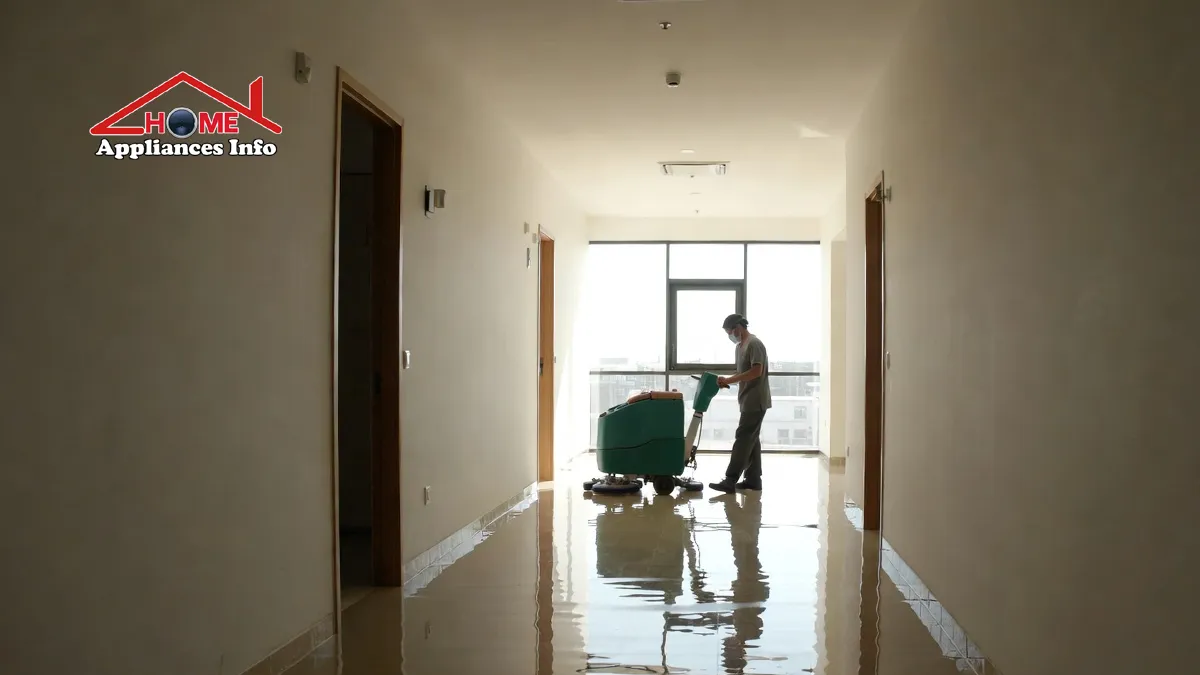
Keeping floors safe and hygienic is about more than appearances. It affects infection control, slip risk, and staff health every day. Choosing the right floor scrubber can feel overwhelming, yet the decision shapes cleanliness and safety for years. 🧼
Many facility managers buy on price or size alone. Later they discover ergonomic issues, poor cleaning on textured floors, or high repair costs. This guide walks you through five smart choices that protect both your budget and the people who use your building.
1. Choose a Walk Behind Floor Scrubber Sized for Real-World Traffic
Size is not just a convenience issue. It directly influences hygiene, fatigue, and slip risk.
A walk behind floor scrubber that is too small struggles to keep up with foot traffic. High-touch corridors and entrances then stay wet or soiled longer. That can encourage germ spread and increase the chance of falls. ⚠️
One that is too large can be hard to maneuver. Operators may skip tight corners or crowded areas where spills often happen.
Match cleaning width to your space
Think about:
- Total cleanable square footage
- How often you need to scrub each area
- Typical traffic patterns during cleaning hours
As a simple guide:
- Under 10,000 sq ft (small clinics, boutiques): compact 17″–20″ path
- 10,000–40,000 sq ft (schools, mid-size offices): medium 20″–24″ path
- Over 40,000 sq ft (hospitals, supermarkets, airports): large 24″–28″ path or multiple units
Short example:
A small medical clinic chose an oversized machine to clean faster. Staff avoided using it in narrow exam hallways. Those areas ended up spot-mopped only, with more visible soil and higher slip complaints.
Don’t ignore tank capacity
Solution and recovery tank size affect:
- How often operators stop to refill and dump
- How long dirty water remains in the tank
- Total time floors stay wet
If tanks are too small for your schedule:
- Staff may rush
- Rinse steps get skipped
- Floors may feel tacky, trapping more soil and microbes
Aim for tank capacity that allows:
- At least 45–60 minutes of scrubbing per fill
- Enough recovery volume to avoid overflow of dirty water
Health-first size checklist ✅
Before buying, confirm:
- The machine can clean key areas within the required time
- It fits in elevators, storage rooms, and doorways
- It can safely turn in your narrowest corridor
- Operators of different heights can handle it without strain
Right-sizing your walk behind floor scrubber supports better daily hygiene and reduces operator fatigue.
2. Select the Right Scrubbing Technology for Your Floor Types
Scrubbing technology affects not only appearance, but also floor integrity and cleanliness at a microscopic level.
Many surfaces share one building: vinyl, rubber, tile, stone, and safety flooring. Using the wrong floor scrubber machine setup can damage finishes or leave residue that traps bacteria. 🧽
Disc vs cylindrical vs orbital
Disc scrubbers
- Flat circular pads or brushes
- Best for smooth floors and routine maintenance
- Good for applying and removing detergents
Health angle: Gentle, consistent contact supports daily soil removal without wearing away protective coatings.
Cylindrical scrubbers
- Roller brushes with higher down pressure
- Great for grout lines, textured safety flooring, and uneven tiles
- Often sweep light debris while scrubbing
Health angle: They clean grooves where dirt, body fluids, and biofilm can build up, especially in restrooms and kitchens.
Orbital or oscillating machines
- High-speed, small-orbit motion
- Effective for deep cleaning and chemical-free finish removal
- Often used in healthcare and high-risk areas
Health angle: They can support deep restorative cleaning with less chemical use, which helps sensitive populations.
Align pads and brushes with health goals
Pad or brush choice matters as much as machine type.
Consider:
- Soft pads or brushes for daily cleaning of delicate flooring
- More aggressive pads only for periodic deep cleaning
- Color-coded systems to separate restroom tools from public areas
Using too aggressive a pad for daily cleaning can:
- Strip protective finishes
- Create micro-scratches that hold soil and microbes
- Increase long-term maintenance and replacement costs
Example:
A rehabilitation center used a harsh stripping pad daily on rubber floors. Within a year, the surface became rough and harder to disinfect. The replacement cost far exceeded the original machine price.
Quick comparison table 🧹
Below is a simplified guide that connects typical choices with health-focused benefits:
| Choice / Focus Area | Best For | Key Health Benefit | Maintenance Level |
|---|---|---|---|
| Compact walk-behind, medium tank | Small clinics, boutiques | Frequent cleaning in tight spaces | Low |
| Medium disc scrubber with soft pads | Offices, smooth hospital corridors | Gentle daily hygiene, protects finishes | Medium |
| Cylindrical walk-behind with debris tray | Restrooms, textured safety floors | Deep cleaning of grout and slip-resistant floors | Medium–High |
| Orbital scrubber for periodic use | Healthcare, schools, food service | Deep soil removal with less chemical exposure | High (periodic) |
| High-capacity machine with quiet operation | Large hospitals, airports, supermarkets | Long runs without refills, better air comfort | Medium |
Choosing the right technology helps your floor scrubber support infection prevention while protecting your flooring investment.
3. Put Ergonomics and Operator Safety at the Center
Healthy floors start with healthy operators. If staff dislike or struggle with a machine, it will not get used properly.
Ergonomic design reduces fatigue and injury
Look for:
- Adjustable handles for different operator heights
- Low push force even when tanks are full
- Simple, clearly labeled controls
- Easy access to tanks and batteries to reduce lifting strain
Better ergonomics means:
- Less back, shoulder, and wrist strain
- Fewer missed spots from operator fatigue
- More consistent cleaning in high-risk areas
Example:
A school district replaced heavy machines with lighter, well-balanced models. Staff reported less pain and fewer shortcuts. Hallways looked cleaner, and incident reports for slip events decreased.
Noise levels and staff well-being
Continuous high noise can:
- Increase stress
- Interfere with communication
- Disturb patients, students, or residents
Check the decibel rating:
- Under 65 dB is ideal for hospitals and care homes 🏥
- Under 70 dB suits schools, libraries, and offices
Quieter machines allow:
- Daytime cleaning in busy areas
- Better observation while moving through crowded spaces
- Less disruption to healing or learning environments
Safety features that prevent accidents
Key elements:
- Automatic solution shut-off when not moving
- Parabolic squeegee for fast water recovery
- Non-marking wheels with strong traction
- Emergency stop or dead-man switch
These features help:
- Keep floors drier and reduce slip risk
- Prevent chemical pooling in one spot
- Protect operators and passersby from sudden movement
When you choose a floor scrubber with strong ergonomic and safety design, you safeguard both staff health and visitor safety. ✅
4. Plan for Chemicals, Water Use, and Indoor Air Quality
Your cleaning program touches health through more than just visible shine. It also affects indoor air, skin, and respiratory comfort.
Smart chemical use protects lungs and skin
A floor scrubber machine often uses concentrated detergents. Poor dosing can:
- Leave residue that attracts more soil and microbes
- Create slippery or sticky floors
- Increase fumes that irritate eyes and airways
Look for:
- Built-in or optional chemical metering systems
- Clear dilution instructions on every product
- Low-VOC, fragrance-sensitive formulas where possible
In health-care, childcare, and elder-care settings, consider:
- Products with documented efficacy against your target organisms
- Compatibility with your flooring material
- Rinse cycles that remove excess chemistry
Example:
A senior-living facility switched to correctly diluted neutral cleaner and improved rinsing. Residents reported less chemical odor, and floors felt less sticky in dining areas.
Water management and slip prevention
Efficient water control helps both safety and sustainability.
Key points:
- Squeegee performance strongly affects drying time
- Vacuum motor strength determines how much water remains on the floor
- Operator technique matters; overlapping passes help recovery
Aim for:
- Floors that are touch-dry within a few minutes
- Clear signage while areas remain slightly damp
- Defined routes that minimize traffic through just-cleaned zones
This is especially important where people may walk with unstable gait, such as hospitals, rehab centers, or schools.
Indoor air quality and filtration
Some walk-behind units include:
- Debris trays or light sweeping functions
- Optional HEPA filtration on vacuum exhaust
These features can:
- Reduce dust recirculation
- Support better breathing comfort for asthma or allergy sufferers
- Help meet environmental health targets in sensitive facilities
If your building serves vulnerable populations, align machine selection with any existing indoor air quality program.
5. Look Beyond Sticker Price to Total Health and Ownership Costs
The cheapest commercial floor scrubber can become the most expensive over time. Breakdowns, poor performance, and operator frustration all carry hidden costs.
Evaluate total cost of ownership
When comparing machines, consider:
- Initial purchase price
- Expected lifespan
- Warranty coverage and service availability
- Cost of common wear parts (pads, squeegees, brushes, filters)
- Battery replacement schedule
Poor choices can result in:
- More frequent repairs and downtime
- Inconsistent cleaning during outbreaks
- Expensive floor restoration due to improper scrubbing
A more durable model may:
- Use less water and chemistry
- Need fewer repairs
- Perform better on heavily soiled or high-risk areas
Over five to seven years, that difference can be substantial.
For a deeper industry perspective on choosing a commercial floor scrubber, trade resources such as Cleaning & Maintenance Management or CleanLink offer useful case studies. One helpful overview is the article Choosing the Right Floor Scrubber at CleanLink, which discusses practical selection criteria for a commercial floor scrubber.
Reliability supports infection control plans
Reliable equipment is vital when:
- Outbreaks require more frequent disinfection
- Seasons bring more mud, salt, or moisture indoors
- Staffing is tight and overtime is costly
If a key machine fails:
- High-traffic corridors may rely on mops again
- Floors can stay wet longer
- Soil load increases, reducing disinfectant effectiveness
Protect your infection prevention program by:
- Choosing models with strong service networks
- Standardizing on a few compatible units
- Training a small group of “super users” to spot early issues
Maintenance that staff can realistically perform
Healthy equipment relies on consistent care.
Make sure:
- Tanks are smooth and easy to rinse
- Recovery lids open wide for inspection
- Squeegees and pads can be changed without tools
- Daily checklists are short and realistic
When maintenance is simple, staff are more likely to:
- Empty and rinse tanks daily
- Leave lids open to reduce microbial growth
- Inspect hoses and seals for leaks
This keeps your floor scrubber performing well and reduces smells, biofilm, and unexpected downtime.
FAQs about Walk Behind Floor Scrubbers and Health
1. How often should floors be scrubbed in a busy facility?
It depends on soil load and risk level. High-traffic entrances and restrooms may need scrubbing once or more daily. Clinical areas follow specific infection control policies. Lower-risk offices or corridors might be fine with several times per week.
2. Are walk behind floor scrubbers safe for hospitals and clinics?
Yes, when used correctly and matched to the flooring. Choose quiet, easy-to-disinfect machines. Pair them with approved detergents and rinsing steps. Follow your infection prevention team’s protocols, including any disinfection requirements after cleaning.
3. What is the main advantage over traditional mopping?
A walk behind floor scrubber applies clean solution, agitates soil, and vacuums it away. Mops often spread soil and contaminants. Scrubbers reduce cross-contamination, leave floors drier, and support more consistent hygiene.
4. How long can a commercial machine last?
With proper care, many units last five to ten years or more. Lifespan depends on build quality, usage intensity, and maintenance. Regular tank cleaning, filter checks, and timely pad or squeegee replacement all extend service life.
5. Can I use eco-friendly detergents in every machine?
Often yes, but always verify compatibility. Check that products are approved for your flooring and equipment. Eco-labeled cleaners can lower chemical exposure and odor. Some may still require rinsing to avoid residue, especially in sensitive areas.
6. Do I still need to disinfect after scrubbing?
Cleaning removes soil, which is essential before disinfection. In low-risk areas, cleaning alone may be enough. In healthcare, food service, or outbreak situations, follow your facility’s policy. That may include a separate disinfectant step or combined cleaner-disinfectant.
Conclusion: Turn Your Floor Scrubber Choice into a Health Asset
The right floor scrubber is more than a piece of equipment. It is a partner in protecting health, supporting safer movement, and maintaining a professional environment. 🧼
By focusing on:
- Size appropriate to your space
- Scrubbing technology matched to your floors
- Ergonomics and safety for operators
- Thoughtful chemical and water management
- Long-term reliability and realistic maintenance
you can avoid costly mistakes that show up as injuries, complaints, and premature floor replacement.
Take time to walk your space, talk with operators, and review your health and safety goals. Then compare machines using these five choices as a checklist. When your next walk-behind unit rolls into service, it should support cleaner, safer floors and healthier days for everyone who walks through your doors. ✅

1 Comment
Pingback: Water Heater Replacement Cost: 10 Shocking Truths About Hot & Gas Models