



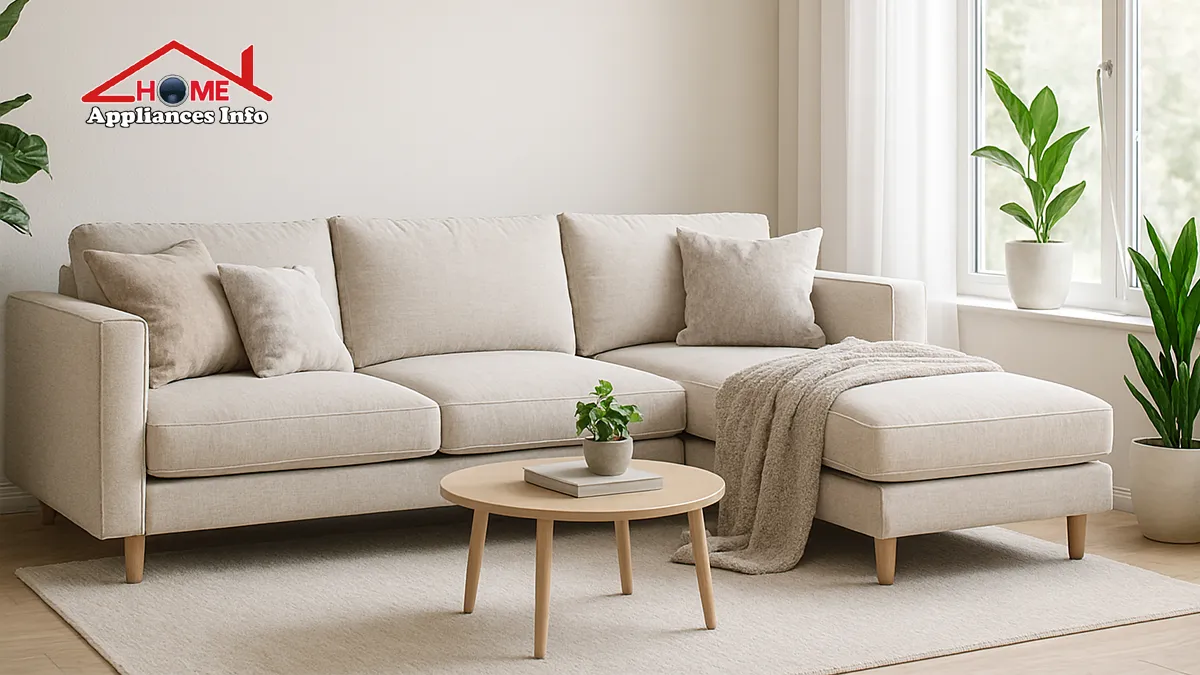
This might surprise you, but your living room sofa set has a real impact on your health. It shapes how you sit, how you relax, how you connect with loved ones, and even how much your back hurts at the end of the day. Your sofa is not just décor. It is daily health equipment you use for hours.
In this guide, we will explore ten thoughtful sofa ideas that upgrade both your home and your well‑being. You will find practical tips, posture‑friendly layouts, and real‑life examples you can copy easily.
This article is crafted with Rank Math SEO optimization in mind, so you can also reach more readers if you publish it. 😊
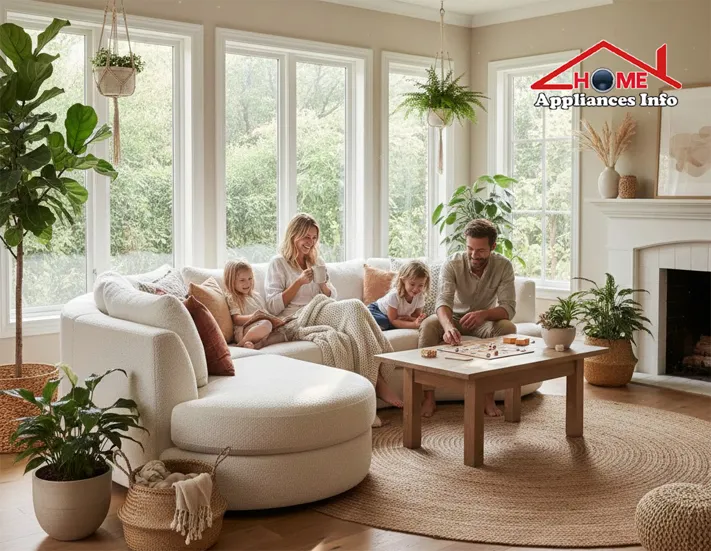
Why Your Sofa Choice Affects Your Health
Before we explore specific designs, it helps to know why your sofa matters for health.
A sofa that supports your body and lifestyle can:
- Ease back and neck strain
- Support healthier sitting posture
- Encourage family connection and reduce loneliness
- Lower stress after long days
- Reduce allergy triggers and dust exposure
A poor sofa choice can do the opposite. It may look stylish but increase pain, stiffness, or anxiety. The following ten ideas help you create a living room that feels like a gentle reset for body and mind. 🌿
1. Ergonomic Sectional Living Room Sofa Set for Spine Support
An ergonomic living room sofa set is one of the best health upgrades you can make. A sectional with supportive cushions and proper back height can reduce daily strain on your spine.
Key features to look for:
- Medium‑firm seat cushions that do not sink too deeply
- High or adjustable backrests that support the whole spine
- Armrests at elbow height to relax shoulders
- Built‑in lumbar support or additional lumbar pillows
Health benefits:
- Better spinal alignment during long sitting periods
- Reduced lower back pain and stiffness
- Less shoulder and neck tension
- Improved comfort during reading or working on a laptop
Real‑life example:
Imagine a family that watches a movie most evenings. Their old couch sags in the middle. After switching to an ergonomic sectional, back pain eases, and everyone feels more supported during movie nights. 🍿
2. Deep Lounge Sofa with Chaises for Stress Relief and Relaxation
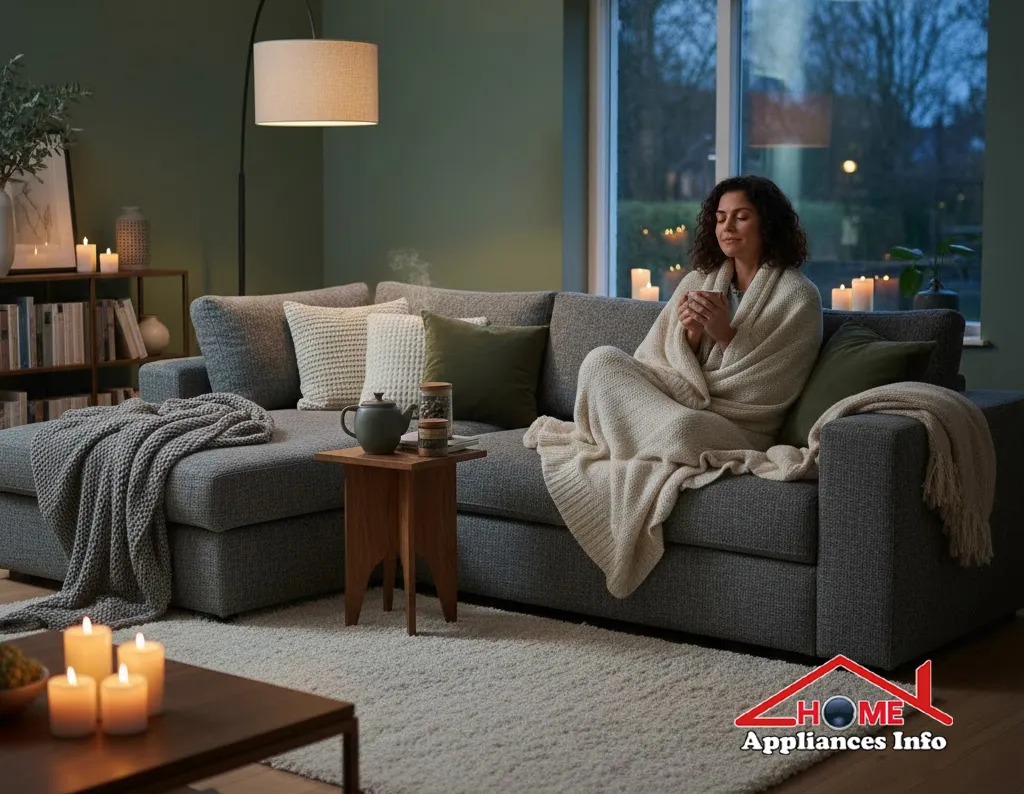
A deep lounge sofa with a chaise or daybed section can feel like a soft landing at the end of the day. This style encourages full‑body relaxation and can be a gentle tool for stress management.
Best for people who:
- Like to stretch out rather than sit upright
- Enjoy reading, napping, or meditating on the sofa
- Need a calming “recovery zone” after work or workouts
Wellness tips for this sofa style:
- Add breathable, soft throws and pillows to invite rest
- Use warm lighting nearby to avoid harsh eye strain
- Keep devices a little distance away to protect sleep quality
One helpful idea is to treat this lounging area almost like a mini recovery space. You can focus on breathing slowly, sipping tea, or doing gentle stretches on the chaise. This supports your nervous system and lowers tension. 🧘♀️
3. Compact Two‑Seater Plus Accent Chairs for Small Rooms and Better Movement
Not every home can fit a large sectional. A compact two‑seater sofa set with two accent chairs can still offer comfort and support, especially in apartments or studios.
This layout encourages healthier movement because people shift between seats more often. That simple act of standing and sitting again reduces the time spent in one fixed position.
Benefits of a two‑seater + chairs combination:
- More walking paths and floor space
- Easier to maintain good posture in chairs
- Flexible seating for guests without crowding
- Less visual clutter, which can ease mental overload
Health angle:
Our brains often feel calmer in organized, open spaces. Research suggests that visual clutter can raise stress. Choosing a small yet smart seating layout helps create a more tranquil space. For more on the mental health benefits of a tidy home, you can explore this overview from the National Library of Medicine: mental health benefits of a tidy home.
4. Reclining Sofa Set for Better Circulation (Used Mindfully)
Reclining sofas can feel extremely comfortable, and they can support healthy blood flow in the legs when used wisely. Elevating your feet helps reduce swelling and may ease discomfort after standing all day.
Choose recliners with:
- Proper lumbar and neck support
- Footrests that elevate the legs without locking the knees
- Firm cushioning that does not collapse under body weight
Use your reclining sofa set in a health‑friendly way:
- Avoid sleeping overnight in a recliner regularly
- Change positions every 30–45 minutes
- Keep screens at eye level to protect your neck
In moderation, recliners support relaxation and circulation, especially for older adults or people recovering from fatigue. Just avoid using them as a full‑time bed substitute.
5. Modular Sofa Pieces That Encourage an Active Living Room
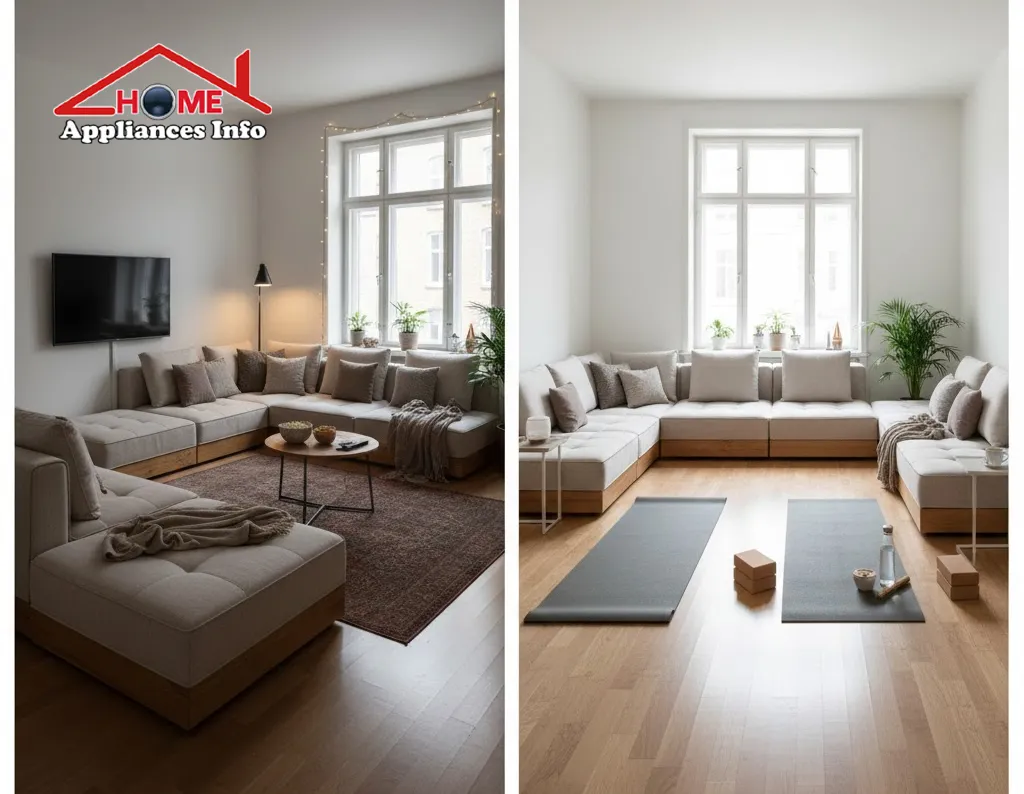
Modular sofas come in separate pieces that you can rearrange as needed. This flexibility is valuable for both mental and physical health.
You can change your living room sofa set layout to suit different goals:
- Movie night: create a cozy corner shape
- Game or yoga night: move pieces aside for floor space
- Guests: separate modules for more personal space
Health advantages:
- More chances to stand up and adjust your environment
- Space for stretching, light exercise, or yoga flows
- Easier cleaning, which benefits allergy and asthma control
A home that adapts to activity supports a more active lifestyle. Even small movements, like shifting furniture, add gentle physical effort and reduce all‑day sitting.
6. Hypoallergenic Sofa Materials for Sensitive Skin and Lungs
If you or your family have allergies, asthma, or sensitive skin, your sofa fabrics matter a lot. Dust, pet dander, and mold can collect deep in cushions. Choosing the right sofa set can reduce these triggers.
Health‑friendly material tips:
- Look for tightly woven fabrics that trap less dust
- Consider leather or faux leather, which wipe clean easily
- Choose removable, washable cushion covers
- Avoid very heavy, shaggy fabrics that hold allergens
You may also prefer certified low‑VOC (low chemical emissions) materials. Off‑gassing from some foams and fabrics can irritate the lungs.
Maintenance habits that support health:
- Vacuum upholstery weekly, especially if you have pets
- Wash throw blankets and pillow covers regularly
- Rotate cushions so wear and dust distribute more evenly
If allergies strongly affect your daily life, you may find helpful background guidance in resources on healthy indoor air quality from trusted medical sites such as the EPA or major hospital networks.
7. Firm, Supportive Minimalist Sofa to Balance Screen Time
Many of us sink into the couch and reach for a screen without thinking. A very deep, overly soft sofa can encourage long, slouched sessions with phones or TVs.
A firmer, minimalist living room sofa set can gently nudge healthier habits. It still feels comfortable, yet it keeps your body more upright and aware.
Design choices that promote mindful use:
- Firm seat cushions that support the hips
- A slightly higher seat height to make standing easier
- Straight but cushioned backrests to align the spine
- Side tables for books, water, or tea instead of only remotes
You can pair this seating with a simple rule. For example, keep one corner of the sofa “screen free.” That nook becomes a small retreat for reading, journaling, or quiet time. 📖
8. Family‑Friendly, Washable Sofa for Hygiene and Peace of Mind
Health is not just about posture. It also involves hygiene, illness prevention, and peace of mind. A family home often sees spills, snacks, and germs on the sofa.
Look for family‑friendly features:
- Fully removable, machine‑washable covers
- Stain‑resistant, non‑toxic fabric treatments
- Darker or patterned fabrics to hide small marks
- Pet‑friendly materials that resist claws and fur
Why this matters for health:
- Easier cleaning supports lower germ buildup
- Less worry about stains reduces daily stress
- Kids and pets can relax without constant “careful!” reminders
A sofa that welcomes real life, rather than fights it, supports emotional comfort. Everyone can breathe a little easier when the living room feels durable and forgiving.

9. Nature‑Inspired Sofa Colors and Textures to Soothe the Mind 🌿
Color and texture affect mood. Nature‑inspired tones and materials can help your living room feel more grounded and peaceful.
For your sofa set, consider:
- Soft greens, warm beiges, gentle blues, or earthy browns
- Natural fabrics like cotton, linen, or wool blends
- Wooden or rattan legs and side tables
- Complementary houseplants nearby for a biophilic feel
Mental health benefits:
- Nature‑linked colors can reduce perceived stress
- Soft textures invite slower, more mindful moments
- A cohesive, calm palette may support emotional balance
You can combine this with healthy lighting. Use lamps with warm bulbs in the evening to cue relaxation. Keep bright, cooler light for daytime tasks. Your sofa corner can then track your natural energy rhythms.
10. Multi‑Zone Sofa Arrangement to Support Social Connection ❤️
Human connection is a key pillar of mental health. The way you arrange your living room sofa set can either support conversation or push everyone toward the TV.
Consider a multi‑zone layout:
- One zone faces the TV for shared movies
- Another zone, like two chairs angled toward the sofa, supports conversation
- A small reading corner encourages quiet time
Benefits of this arrangement:
- Easier eye contact during chats
- More chances for board games, reading, and hobbies
- Reduced reliance on screens for connection
For example, you might place a loveseat facing two armchairs with a coffee table in the center. The main couch can still angle slightly toward the TV, but the focus remains on people first.
Social connection protects mental health. Your seating plan can quietly encourage more face‑to‑face time and less isolation.
Quick Comparison Table: Sofa Types and Health Benefits
| Sofa Type / Setup | Best For | Key Health Benefit | Ideal Room Size |
|---|---|---|---|
| Ergonomic sectional | Families, frequent TV watchers | Spine support, reduced back pain | Medium to large |
| Deep lounge with chaise | Rest, reading, napping | Stress relief, full‑body relaxation | Medium to large |
| Two‑seater + accent chairs | Small spaces, apartments | Encourages movement, less clutter | Small to medium |
| Reclining sofa set | Older adults, leg swelling | Better circulation, leg elevation | Medium |
| Modular sofa pieces | Active households, flexible use | Supports movement and multi‑use spaces | Any, if planned well |
| Hypoallergenic materials sofa | Allergy‑prone individuals | Lower allergen exposure | Any |
| Firm minimalist sofa | Screen‑heavy lifestyles | Better posture, mindful sitting | Small to medium |
| Washable family‑friendly sofa | Families with kids and pets | Improved hygiene, reduced stress | Any |
| Nature‑inspired sofa design | Anyone needing calm | Mood support, reduced stress | Any |
| Multi‑zone seating arrangement | Social, connection‑focused homes | Better communication and bonding | Medium to large |
FAQs About Health‑Focused Living Room Sofa Sets
1. Which type of sofa is best for back pain?
A medium‑firm ergonomic sofa with good lumbar support is usually best. Look for high backs, supportive cushions, and armrests at a natural height. Avoid very soft, sagging couches that let your hips sink too low.
2. How deep should a living room sofa seat be for healthy posture?
For most adults, a seat depth of 50–56 cm works well. You should sit with your back against the backrest while your feet rest flat on the floor. Your knees should bend comfortably at about 90 degrees.
3. Are reclining sofas bad for posture?
They are not automatically bad. Poorly designed recliners or constant slouched use can cause problems. Choose recliners with firm lumbar support. Change positions often, and avoid sleeping in them every night.
4. How often should I replace my living room sofa set?
Most quality sofas last 7–15 years. Consider replacement when cushions sag, your back hurts more after sitting, or fabrics are badly worn. Your health comfort is a stronger sign than appearance alone.
5. Which sofa fabrics are best for allergies?
Smooth, tightly woven fabrics or leather are helpful. They trap less dust and are easier to clean. Washable covers and regular vacuuming are also important. For more posture and comfort guidance, you can review this overview on healthy sitting posture.
6. How can I sit healthier on the sofa I already own?
You can:
- Place a small pillow behind your lower back
- Use a footrest if your feet do not touch the ground
- Sit closer to the front edge to avoid slouching
- Take breaks every 30–45 minutes to stand and stretch
Small adjustments can improve comfort, even before you upgrade to a new set.
Conclusion: Upgrade Your Living Room, Support Your Health 🌟
Your living room sofa set is not just a style decision. It is a daily health choice that affects your posture, stress levels, allergies, and even your social life. By choosing ergonomic designs, hypoallergenic materials, and thoughtful layouts, you can turn your living room into a supportive wellness space.
To recap, you can:
- Choose ergonomic or firmer sofas for better spinal alignment
- Add chaise and lounge options for deep relaxation
- Use modular or multi‑zone setups to encourage movement and connection
- Focus on washable, allergy‑friendly, and nature‑inspired materials
Even one small change, like adding lumbar pillows or rearranging seats for conversation, can make your home feel more healing. When you are ready for a fuller upgrade, let your next living room sofa set reflect both your style and your commitment to physical and emotional well‑being.
Your body spends many hours on that sofa. It deserves a space that truly supports it. 🛋️💚


1 Comment
Pingback: glass corner shelf for living room – 7 Amazing Styling Ideas You’ll Love