



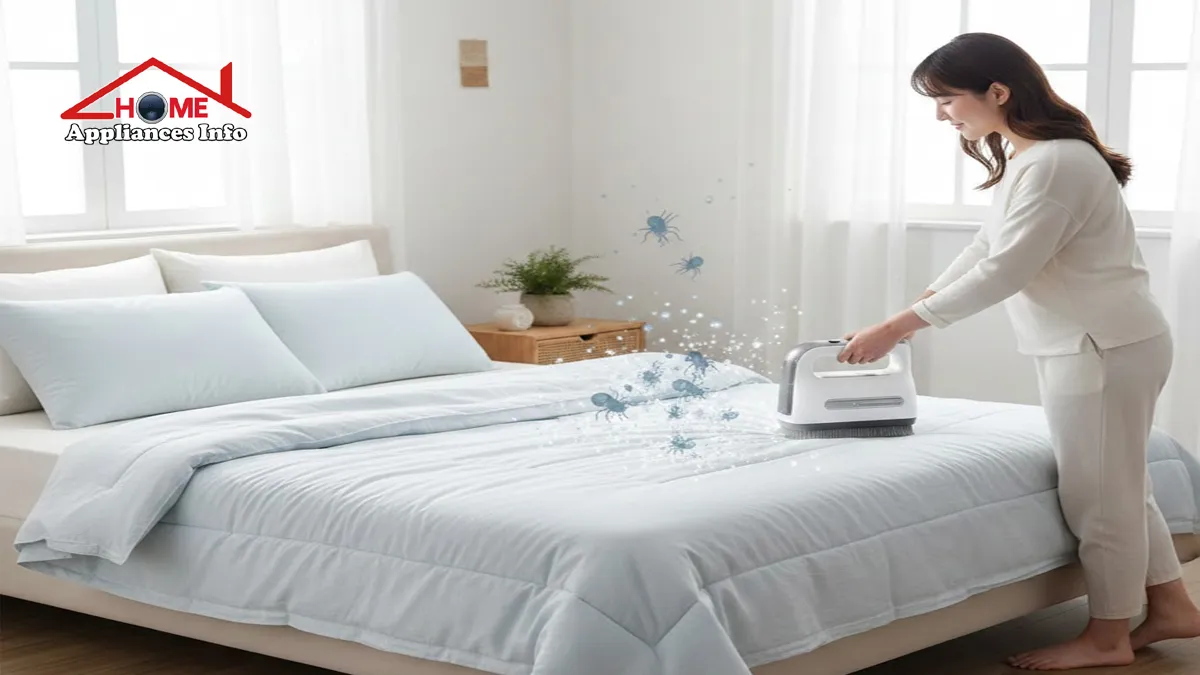
If you struggle with allergies, skin irritation, or restless sleep, a mite remover may already be part of your home routine. Many people invest in cleaning products without fully understanding how much dust mites affect daily health. These microscopic pests live in mattresses, sofas, carpets, and pillows, feeding on dead skin cells.
For households using a dust mite remover, the benefits go far beyond surface-level cleanliness. Effective mite control supports breathing comfort, skin health, sleep quality, and long-term well-being. This article explains why consistent mite removal matters and how it improves everyday life in practical ways.
You clean regularly.
You change your sheets.
Yet you still wake up congested, itchy, or tired.
For many people, the hidden culprit is dust mites. These tiny organisms live in mattresses, sofas, carpets, and soft toys. You never see them, but your nose, lungs, and skin often feel them.
If you are thinking about using a mite remover, you are likely hoping for real relief. Not just another cleaning gadget. You want fewer reactions, better sleep, and a home that actually feels safe for your body.
This article walks you through seven key benefits that many dust mite remover users experience. You will see how these tools support your:
- Breathing
- Skin
- Sleep
- Mental well‑being
- Long‑term home health
You will also find practical examples, a quick comparison table, and clear answers to common questions.
1. Easier Breathing and Fewer Allergy Flare‑Ups 😮💨
Dust mites themselves do not usually trigger your immune system.
Their waste and body fragments do.
These particles become airborne when you:
- Make your bed
- Sit on the sofa
- Vacuum the carpet
- Shake a pillow
If you have allergies or asthma, this can lead to:
- A stuffy or runny nose
- Sneezing fits
- Itchy, watery eyes
- Coughing or wheezing
You can read more about common dust allergy symptoms on the Mayo Clinic dust mite page.
A well chosen dust mite remover helps reduce the number of dust mites living in fabrics and upholstery. With fewer mites, you get fewer allergen particles released into the air. Over time, many people notice that:
- They wake up with less congestion.
- Their allergy episodes feel milder.
- They can spend longer in the bedroom without discomfort.
Example:
Maria, who has mild asthma, began using a dust mite remover on her mattress and sofa twice a week. Within a month, she noticed she used her rescue inhaler less at night. Her doctor also saw fewer nighttime symptoms in her asthma diary.
This does not replace medical care.
But it can support your current allergy or asthma plan.
2. Better Sleep and Less Night‑Time Disturbance 😴
Night is often the worst time for dust mite sensitivity. Your face stays close to the:
- Pillow
- Mattress
- Duvet or blanket
If these surfaces hold many mites, your nose and lungs stay irritated for hours. You may:
- Toss and turn from nasal blockage
- Wake up coughing or sneezing
- Need to sit up to breathe more easily
- Wake feeling unrefreshed
Using a mite remover on your mattress, pillows, and bedding can lower the allergen load right where you sleep. When combined with hot water washing and mattress protectors, many people notice:
- Less snoring linked to nasal congestion
- Fewer awakenings from breathing issues
- More continuous, deeper sleep
Over time, better sleep supports your:
- Mood
- Concentration
- Immune function
- Energy during the day
Simple routine example:
- Use your mite cleaning device on the mattress once or twice weekly.
- Wash sheets in hot water (at least 55–60°C / 130–140°F) weekly.
- Vacuum the bedroom carpet with a HEPA filter at least weekly.
These steps may sound simple.
Yet together, they create a more restful sleep environment.
3. Calmer Skin for People With Eczema or Sensitive Skin 🌿
Dust mites are known triggers for some types of eczema and other skin sensitivities.
If you have atopic dermatitis, mites can irritate already reactive skin.
You might notice:
- Itchy patches after lying in bed
- Worse rashes on areas that press into the mattress
- Flare‑ups after sleeping at a hotel or friend’s house
A dust mite remover helps by reducing one of the triggers that sit closest to your skin. This is especially helpful on:
- Mattresses and mattress toppers
- Fabric headboards
- Sofas and armchairs
- Carpets in bedrooms
When you lower mite levels, your skin has one less reason to flare. People often report:
- Less nighttime itching
- Fewer scratch marks upon waking
- Calmer, less inflamed patches on areas in contact with the bed
Short example:
Daniel, a teen with eczema, started weekly mite treatment on his mattress and favorite gaming chair. His dermatologist noticed less irritation on his back and legs, where he spent most of his time sitting or sleeping.
Of course, eczema is complex and has many triggers.
But dust mite control is a proven, practical part of a broader skin care plan.
4. A Cleaner‑Feeling Home With Less Effort 🧹
You may already vacuum often, wash sheets, and dust surfaces.
Yet mites still thrive deep in fabrics you cannot easily wash.
A dedicated mite remover or dust mite remover spray helps you reach places that many cleaning methods miss. Examples:
- Deep layers of mattresses
- Cushions on sofas and armchairs
- Thick rugs or carpets
- Fabric car seats and baby seats
Depending on the product, mite removal tools can:
- Use suction and vibration to pull out dust and mites.
- Use UV‑C light to help inactivate mites on surfaces.
- Use specific anti‑mite formulations that you apply then vacuum.
Quick Comparison: Common Mite Control Methods
| Method | How It Works | Main Pros | Main Limits | Best For |
|---|---|---|---|---|
| Hot water washing | Heat kills mites in washable fabrics | Simple, low‑cost, very effective for linens | Only for items that tolerate hot washing | Sheets, pillowcases, some covers |
| Standard vacuuming | Removes dust from surfaces | Easy and familiar | Many vacuums lack filters for tiny particles | Hard floors, light carpet cleaning |
| HEPA vacuuming | Traps fine particles and allergens | Better for allergy control | May not reach deep inside thick mattresses | Carpets, rugs, floors, upholstery |
| Spray‑based dust mite remover | Chemical or natural formulas target mites | Reaches seams, corners, and thick fabrics | Must follow safety directions carefully | Mattresses, sofas, carpets, soft toys |
| UV‑based mite remover device | UV‑C light plus suction and vibration | Designed specifically for bedding surfaces | Works only where the light contacts directly | Mattresses, pillows, fabric couches |
When you combine several of these methods, you create a more complete strategy.
This makes each cleaning session more efficient and effective.
Example routine for a busy parent:
- Saturday morning: Use a UV‑based mite device on mattresses.
- Then vacuum carpets with a HEPA vacuum.
- Every two weeks: Use a dust mite remover spray on heavy fabrics you cannot wash.
This approach keeps your routine realistic while still targeting the main mite hot spots.
5. Extra Support for Children, Older Adults, and Other Sensitive Groups 👨👩👧
Some people react more strongly to dust mites than others.
Especially:
- Children, whose immune systems are still developing
- Older adults, whose lungs may be more fragile
- People with asthma or chronic bronchitis
- People with strong allergies or atopic dermatitis
These groups often spend more time indoors.
They also may have less reserve when their breathing or skin is stressed.
A mite remover is not a cure.
Yet it can reduce one major environmental trigger in the home.
For families, this can mean:
- Fewer nights of a child coughing in bed
- Less need to move an older parent to a different room
- More confidence inviting sensitive relatives to stay overnight
Real‑life style example:
A family with a five‑year‑old with asthma decided to focus on the child’s bedroom first. They treated the mattress and carpets with a mite remover, washed bedding weekly in hot water, and added a HEPA air purifier. Over several months, they noticed fewer night‑time wheezing episodes. Their pediatrician supported these home changes alongside regular medical care.
These changes may also help reduce the total burden of irritants for those with:
- Pet allergies
- Seasonal allergies
- Chemical sensitivities
By cutting mites, you lower one layer of stress on the body.
6. A Greater Sense of Control Over Your Health and Space 💚
Living with chronic allergies or asthma can feel draining.
You may feel that your body reacts to everything.
Taking steps that clearly target a known trigger can feel empowering. Using a mite remover is one of those concrete actions. You are no longer just reacting to symptoms. You are addressing a hidden source.
People often describe:
- Feeling more confident about inviting guests with allergies
- Experiencing less anxiety at bedtime
- Feeling more in control of their environment
This emotional benefit matters.
Stress and poor sleep can worsen physical symptoms.
By improving both air and surfaces, you support both body and mind.
Small habit, big impact example:
- Choose two main dust hot spots in your home.
- Treat them with your mite device every week.
- Note your symptoms and sleep quality in a small journal.
Many people find that even small, consistent steps bring noticeable change over time.
7. Long‑Term Protection for Your Home and Indoor Air 🌬️
Dust mites love warm, humid, and fabric‑rich environments.
They thrive in places where people spend hours each day.
While mites do not chew wood or cause structural damage, they affect indoor air quality. Poor indoor air quality links to more respiratory problems, according to the U.S. Environmental Protection Agency’s indoor air quality page.
By using a mite remover regularly, you help to:
- Keep mite populations from rebounding quickly
- Limit allergen build‑up in mattresses and carpets
- Support other healthy air measures
These measures include:
- Ventilating rooms daily, when weather allows
- Using dehumidifiers in damp climates
- Using high‑quality filters in heating or cooling systems
- Avoiding heavy indoor smoking or burning of scented products
Over years, this combined approach can:
- Lower the overall allergen burden in your home
- Reduce the likelihood of new sensitivity in children
- Make your home more comfortable for all visitors
Think of mite control as part of long‑term home maintenance.
Similar to servicing your heater or cleaning gutters.
It protects your investment in both your health and your space.
How to Use a Mite Remover Safely and Effectively 🛡️
Every product is different. Always read the label or manual.
Still, some safe general principles apply:
- Test on a small area first.
Make sure there is no damage or discoloration. - Follow contact times.
Sprays often need time on fabric before vacuuming. - Keep children and pets away during treatment.
Especially when using sprays or UV‑C devices. - Ventilate after use if advised.
Open windows or run a fan for a while. - Combine with other measures.
Such as hot washing and HEPA vacuuming.
If you have lung disease, pregnancy, or very sensitive skin, ask your doctor before using any chemical dust mite remover.
FAQs About Mite Remover and Dust Mite Control ❓
1. Can a mite remover replace my allergy or asthma medication?
No. A mite remover is a helpful environmental tool.
It does not replace prescribed medicines or medical advice.
Use it as part of a broader plan that includes guidance from your doctor or allergist.
2. How often should I use a mite remover on my mattress?
Many people start with once or twice a week.
After several weeks, they may reduce to every one or two weeks, depending on symptoms.
If your allergies are strong, more frequent use may help.
Always follow your product’s directions.
3. Are dust mite remover sprays and devices safe for children and pets?
They can be safe when used correctly.
This means following labels, leaving the room during treatment, and letting surfaces dry or air out.
Keep all products and devices out of reach of small children.
If you have concerns, discuss them with your pediatrician or veterinarian.
4. Do I still need to wash bedding in hot water if I use a mite remover?
Yes. Mite tools and sprays help, but hot washing is still essential.
Heat kills mites and removes allergens like skin flakes and mite waste.
Use both strategies for best results.
Wash bedding weekly in hot water where fabric allows.
5. How soon will I notice results after starting dust mite control?
Some people notice changes in a few weeks.
Others need several months, especially if allergies are strong.
Improvement depends on:
- How sensitive you are
- How many areas you treat
- Whether you also improve ventilation and cleaning
Tracking your symptoms in a journal can help you see trends over time.
6. Can a mite remover help if I also have pet allergies?
It may help reduce overall dust and dander on fabrics.
However, it will not remove all pet allergens.
For pet allergies, combine mite control with:
- Regular pet grooming
- HEPA air filtration
- Clear pet‑free sleeping areas
This more complete plan supports better comfort.
Conclusion: Is a Mite Remover Worth It for Your Home? 🌈
Dust mites are tiny, but their impact is real.
They affect your breathing, your skin, your sleep, and your sense of ease at home.
A well chosen mite remover, used as part of a thoughtful cleaning routine, can offer:
- Easier breathing and fewer allergy flare‑ups
- More restful, uninterrupted sleep
- Calmer skin for those with eczema or sensitivities
- A cleaner‑feeling home with less guesswork
- Extra support for vulnerable family members
- Greater emotional control over your health space
- Long‑term protection for your home and indoor air
If you or someone you love struggles with dust‑related symptoms, it may be time to look beyond basic cleaning. Consider adding a dust mite remover to your regular routine.
Start small. Focus on the bedroom first.
Combine your new tool with hot washing and smart ventilation.
Over time, these steady steps can turn your home into a place where your body can finally relax, breathe easier, and rest well.


2 Comments
Pingback: Water Cooler Dispenser: 10 Amazing Benefits You Can’t Ignore for Better Health
Pingback: Living Room Sofa Set: 10 Ultimate Ideas for the Best Home Upgrade