



Choosing a new fridge can feel overwhelming. This refrigerator buying guide is here to reduce stress and help you protect your health.
In 2025, refrigerators do much more than keep food cold. They help prevent foodborne illness, preserve nutrients, and support healthier cooking habits. When you choose the right model, you make it easier to eat fresh, safe food every day.
This refrigerator buying guide 2025 focuses on what truly matters for your body and your household. You will see how capacity, temperature control, layout, and even door style affect food safety and nutrition.
Whether you run a busy café or cook for a family of four, this commercial and home refrigerator buying guide will walk you through seven essential, health-focused tips.
1. Start With Health: How Your Refrigerator Protects You
Refrigerators are silent health tools in your kitchen. They protect you and your family from harmful bacteria and food spoilage.
When food stays too warm, bacteria multiply quickly. This raises your risk of foodborne illness. A well-chosen fridge keeps food at safe temperatures with minimal swings.
Key health goals for any refrigerator:
- Keep the main compartment at or below 4°C (40°F).
- Keep the freezer at -18°C (0°F) or colder.
- Minimize warm spots and temperature spikes.
For detailed science on this, you can review FDA food safety guidelines from the official site:
FDA food safety guidelines ✅
Why this matters at home 🏠
- Leftovers stay safe longer.
- Dairy, eggs, and meats spoil less often.
- Fresh produce keeps its texture and nutrients.
Simple example: A parent storing cooked chicken for school lunches. With stable refrigeration, that chicken stays safer and tastier for days.
Why this matters in commercial kitchens 🏢
- You protect customers and your reputation.
- You support compliance with health inspections.
- You reduce costly food waste from spoilage.
Any serious commercial refrigerator buying guide will start with this safety foundation. Health protection is not optional for restaurants, cafés, or catering businesses.
2. Match Size and Layout to Your Real-Life Eating Habits
A refrigerator can be technically excellent and still fail your health goals. This happens when the size and layout do not match your actual habits.
Overcrowded or poorly organized fridges hide food. Hidden food is forgotten food. That means more waste and higher risk of eating spoiled items.
Choosing capacity for home kitchens
Think about:
- Number of people in your household.
- How often you cook versus order in.
- How often you shop for fresh food.
Very general guidance:
- 1–2 people: 200–350 liters total capacity.
- 3–4 people: 350–500 liters.
- 5+ people: 500+ liters.
If you love fresh produce, consider larger crisper drawers. If you bulk buy meats, you may need a larger freezer or a separate chest freezer.
Health angle: When shelves are not overcrowded, cool air moves better. Food chills faster and stays at a safer temperature.
Choosing capacity for commercial kitchens
Here, the calculation is different. Think in terms of:
- Daily food volume.
- Menu complexity.
- Delivery frequency.
You may need:
- Reach-in refrigerators on the line for speed.
- Larger walk-in units for bulk storage.
- Separate fridges for raw meat, dairy, and ready-to-eat foods.
This supports safer separation of raw and cooked foods. It reduces cross-contamination risks and helps with inspection readiness.
Pick the right layout for healthier habits
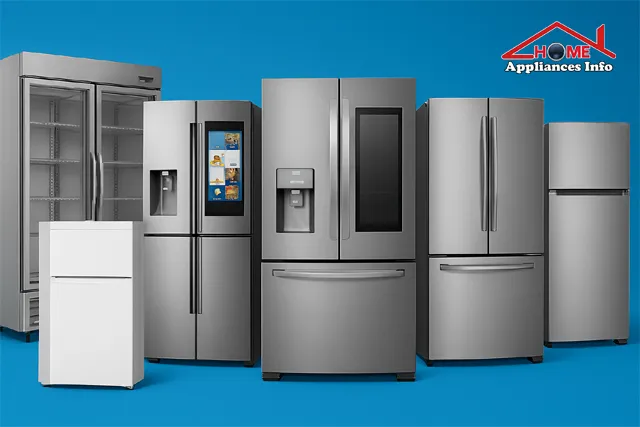
Common layouts:
- Top-freezer: Often budget friendly. Simple, reliable.
- Bottom-freezer: Fresh food at eye level. Helpful if you cook often.
- Side-by-side: Narrower doors, easier in tight spaces.
- French door: Wide shelves and flexible storage. Great for large platters.
From a health perspective, easy visibility is powerful. When healthy options sit at eye level, you reach for them more often.
Example: Storing cut fruit, hummus, and pre-washed salad at eye level. You are more likely to choose those over snacks hidden in drawers. 🥗
3. Understand Cooling Technology Without Getting Lost in Jargon
You do not need to become an engineer. But knowing a few key terms helps you choose safer, more stable cooling.
Direct cool vs. frost-free (no-frost)
- Direct cool: Simple, often cheaper. May form ice, needs manual defrosting.
- Frost-free: Uses fans and sensors for even cooling. No manual defrost.
Health impact: Frost-free models usually maintain more even temperatures. This reduces warm zones where bacteria can grow.
Single cooling vs. dual or multi cooling
- Single cooling: One system for fridge and freezer.
- Dual or multi cooling: Separate systems.
Benefits of dual or multi cooling:
- Better humidity control in the fridge section.
- Less odor transfer between freezer and fridge.
- More stable temperatures, especially in busy homes.
This can help keep produce crisp and slow down mold growth.
Inverter compressors and smart sensors
Many 2025 models use inverter compressors. They adjust speed based on the cooling load.
Health and comfort benefits:
- Fewer temperature swings.
- Less noise, which can lower stress levels at home.
- Often better energy efficiency.
Smart sensors measure door openings, temperature, and sometimes humidity. They help keep conditions more stable, supporting food safety.
For additional science-based recommendations, check the CDC refrigerator storage recommendations on their site:
CDC refrigerator storage recommendations
4. Prioritize Food Safety Features That Work for You
A modern refrigerator buying guide must highlight safety features, not just styling. Some features offer real health benefits; others are mostly convenience.
Essential health-focused features
Consider prioritizing:
- Accurate digital temperature control.
- Built-in thermometers or easy temperature display.
- Strong door seals to reduce warm air leaks.
- Door alarms to remind you if doors stay open.
- Fast cooling modes for large grocery loads.
These features help keep foods out of the “danger zone,” where bacteria multiply quickly.
Hygiene and cleanliness features
Look for:
- Easy-to-remove shelves and drawers.
- Minimal seams and tight corners that trap grime.
- Tempered glass shelves that wipe clean easily.
Some models promote antimicrobial coatings. Treat these claims carefully. They may reduce surface bacteria growth, but they never replace cleaning. Regular cleaning with mild soap still matters. 🧼
Health-focused features for commercial refrigerators
A commercial refrigerator buying guide should emphasize:
- Self-closing doors or strong auto-closing hinges.
- Heavy-duty door gaskets to maintain a tight seal.
- Built-in temperature logs or compatibility with monitoring systems.
- Adjustable stainless steel shelves for easy sanitizing.
These support food safety programs and reduce human error, especially in busy periods.
For sound regulatory guidance, many operators refer to the WHO food safety resources:
WHO food safety
5. Choose Storage Design That Supports Fresh, Nutritious Eating
The way a fridge is organized can gently shape how your family eats. Smart design helps you see and reach nutritious foods easily.
Key storage zones to consider
- Crisper drawers with humidity control for fruits and vegetables.
- Dairy compartments for consistent temperatures.
- Deep door bins for milk, plant-based drinks, and juices.
- Adjustable shelves for tall items like soup jars.
Produce drawers with humidity control help preserve vitamins and texture. Leafy greens stay crisp longer. That makes salads more appealing and reduces waste.
Home vs. commercial storage: a quick comparison
Below is a simple comparison of key storage differences that affect health and safety.
| Feature | Home Refrigerator | Commercial Refrigerator |
|---|---|---|
| Main health focus | Family food safety and nutrition | Customer safety and regulatory compliance |
| Shelf design | More flexible, varied heights | Heavy-duty, easy to sanitize |
| Door type | Solid doors, some glass options | Often glass for visibility and quick access |
| Temperature recovery | Moderate, depends on usage | Very fast recovery after frequent openings |
| Special storage | Crispers, deli drawers, bottle racks | Dedicated meat, dairy, or prep sections |
For busy homes, glass-front or well-lit interiors can help. You see leftovers clearly and use them before they spoil.
For businesses, glass doors let staff find items quickly. This shortens door-open time and helps maintain safer temperatures.
Simple systems that support healthier routines
You can also support health with basic organization:
- Place ready-to-eat foods on upper shelves.
- Store raw meats on the lowest shelf in a tray.
- Keep milk and eggs inside the fridge, not the door.
These habits reduce cross-contamination and keep sensitive foods in the coldest zones.
6. Evaluate Energy Efficiency With a Health Lens
Energy efficiency affects your wallet and the planet. It can also support better health indirectly.
Look for trusted efficiency labels
In many regions, labels like ENERGY STAR help identify efficient fridges. These models often have:
- Better insulation.
- Smarter compressors.
- Improved door gaskets.
Better insulation and design usually mean more stable internal temperatures. That supports food safety.
How efficiency connects to health
Efficient models often:
- Generate less heat into your kitchen.
- Run more quietly.
- Handle frequent openings more effectively.
A cooler, quieter kitchen can lower stress, especially in open-plan homes. In commercial kitchens, lower heat output improves working conditions for staff.
Watch the total cost of ownership
A cheaper fridge with poor energy performance may cost more over time. Consider:
- Purchase price.
- Energy costs for 10–15 years.
- Maintenance and likely repair costs.
Choosing a reliable, efficient model helps keep food stored safely without constant worry about breakdowns.
7. Plan for Maintenance, Lifespan, and Real-World Use
Even the best refrigerator fails if it is not maintained. A realistic refrigerator buying guide must include daily and seasonal care.
Simple maintenance habits
- Wipe spills quickly to prevent mold.
- Deep clean shelves and drawers every 1–3 months.
- Check door seals for cracks or gaps.
- Keep the back vents and interior vents clear.
Example: A monthly five-minute check of seals and vents can add years to your fridge’s life.
Service and warranty considerations
For home models:
- Aim for at least a 1–2 year full warranty.
- Prefer longer compressor warranties where possible.
- Check how easy local service access is.
For commercial models:
- Consider extended warranties or service plans.
- Check response times for repairs.
- Ensure parts are available in your region.
Downtime in a restaurant can mean large food losses and health risks. A solid service network is part of any responsible commercial refrigerator buying guide.
Expected lifespan and when to replace
Many home refrigerators last 10–15 years. Commercial units may have shorter lifespans, due to harsher use.
Consider replacement when you notice:
- Frequent temperature problems.
- Persistent frost or condensation issues.
- Very high energy bills compared with similar newer models.
If your fridge cannot maintain safe temperatures, replacement becomes a health decision, not just a lifestyle upgrade.
FAQs: Your Top Refrigerator Health Questions Answered
1. What is the safest temperature for my refrigerator and freezer?
Keep the fridge at or below 4°C (40°F). Keep the freezer at -18°C (0°F) or lower. Use a separate thermometer if your model has no clear display.
2. How often should I clean my refrigerator for health?
Wipe spills as they happen. Deep clean shelves, drawers, and door bins every 1–3 months. Discard expired or questionable food during each clean.
3. Is a commercial refrigerator safer than a home refrigerator?
Not automatically. Commercial units are built for heavy, frequent use and fast recovery. Home units can be just as safe when used correctly and maintained well.
4. Can I overfill my fridge and still keep food safe?
Overfilling can block air vents and create warm spots. Aim for some space around items, especially near the back and sides.
5. Do smart fridges improve food safety?
They can help. Smart alerts for open doors or rising temperatures support safer storage. Still, you must follow basic food safety practices.
6. How long can leftovers stay safely in the fridge?
Most cooked leftovers are safe for about 3–4 days at proper temperatures. When in doubt, throw it out. If something smells off, do not taste it.
For more detail, see the official USDA leftovers guidance:
leftovers and food safety
Bringing It All Together: Your 2025 Refrigerator Choice 🛒
This refrigerator buying guide has focused on one central idea. The right fridge protects your health while supporting your daily routines.
You learned how size, layout, and cooling technology work together to keep food safer. You also saw how features like humidity-controlled drawers, strong door seals, and accurate temperature control preserve nutrients and flavor.
For businesses, this refrigerator buying guide 2025 showed why commercial units must handle constant door openings and strict safety standards. For homes, it explained how visibility and organization can nudge you toward fresher, healthier meals.
As you compare models, keep these questions in mind:
- Will this fridge keep temperatures stable in my real life?
- Can I see and reach the foods I want to eat more often?
- Is it easy to clean and maintain, month after month?
- Does the warranty and service support long-term, safe use?
Use this commercial and home refrigerator buying guide as a checklist as you shop online or in-store. Take a moment to imagine your actual day: breakfasts, school lunches, rushed dinners, weekend prep, or peak service hours.
Choose the refrigerator that makes safe storage and healthy eating feel natural, not stressful. Your future self, and everyone you feed, will thank you. 🥦✨

2 Comments
Pingback: Midea Smart Refrigerator: 10 Incredible Benefits for Your Home
Pingback: Gree Air conditioner: 7 Shocking Mistakes to Avoid