


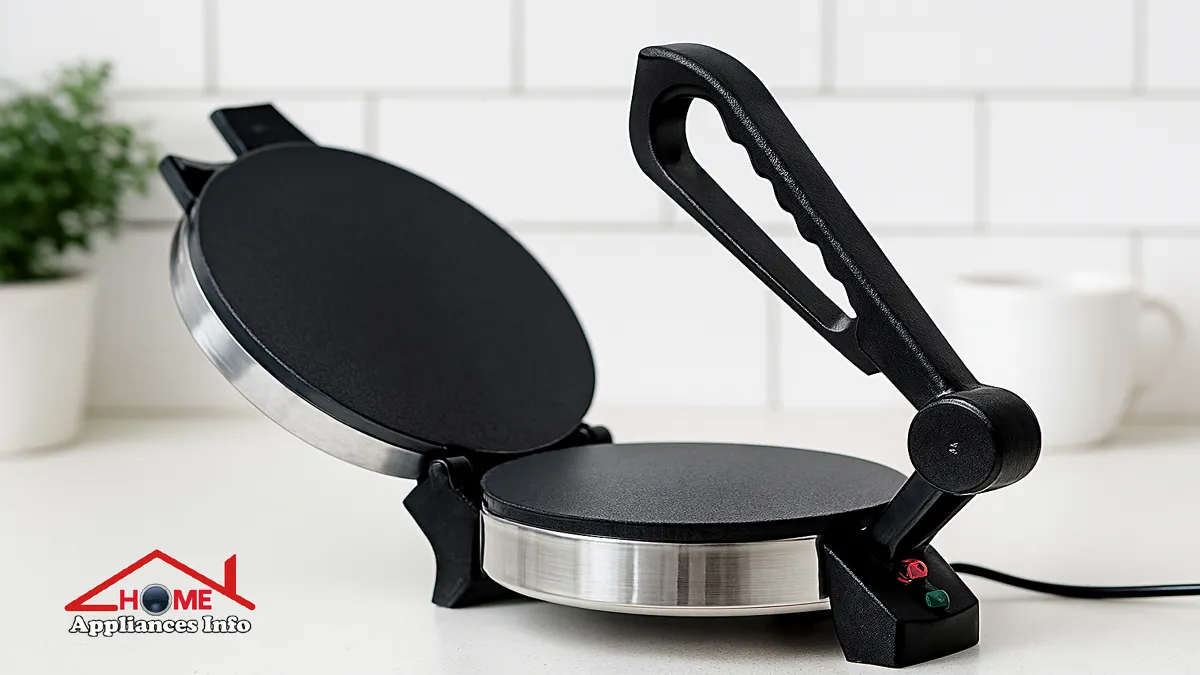
If you love soft, warm chapatis but feel tired rolling them daily, a roti maker can help.
Between busy workdays, family care, and health goals, cooking every meal by hand can feel heavy.
Yet fresh whole-wheat rotis are a key part of many balanced diets.
They offer fiber, complex carbs, and steady energy when prepared well.
Packaged breads or frequent takeout often bring extra salt, refined flour, and unhealthy fats.
That is where a roti maker machine fits in.
It can save time, reduce effort, and still keep your meals homemade.
Used wisely, it becomes a tool that supports better nutrition, not just convenience.
In this guide, you will discover seven amazing electric and automatic options.
You will also learn how to choose and use them to protect your long-term health.
How Fresh Rotis Support Better Health
Before choosing any appliance, it helps to understand why fresh rotis matter.
Fresh chapatis made from whole grain atta can support:
- More fiber for digestion and gut health
- Steadier blood sugar compared with many refined foods
- Better satiety, which may help with weight control
- Lower intake of preservatives and excess sodium
Research shows the health benefits of whole grains for heart health and long-term disease risk.
You can explore more on the health benefits of whole grains from Harvard.
Of course, rotis are only as healthy as their ingredients and cooking method.
Thick layers of ghee, very salty curries, or large portions can still cause issues.
Yet the base itself can be a smart, flexible carbohydrate source.
A well-chosen roti maker machine simply makes it easier to enjoy those benefits daily.
Why a Roti Maker Can Support Better Health
Many people feel guilty when they rely on delivery food during hectic weeks.
You may know home food is healthier, yet lack the energy to cook everything.
A thoughtfully used roti maker offers several health-related advantages:
- More consistent home-cooked meals
- Fresh bread can encourage cooking simple dal, sabzi, or salads at home.
- That often means less fried or ultra-processed takeout.
- Portion awareness
- When rotis are ready quickly, you can prepare only what you need.
- This reduces overeating and leftover snacking.
- Ingredient control
- You choose the flour mix, oil type, and salt level.
- That is essential for people with diabetes, high blood pressure, or cholesterol concerns.
- Lower mental load 😊
- Reducing one heavy cooking task can ease daily stress.
- Lower stress can support better sleep, digestion, and emotional eating control.
- Support for older adults or people with pain
- Arthritis, back pain, or wrist problems can make rolling dough difficult.
- An electric roti maker can protect joints while keeping traditional meals on the table.
The key is not perfection.
It is about making healthier eating more realistic and sustainable, day after day.
7 Amazing Roti Maker Choices for a Healthier Kitchen
Below are seven types of machines and setups.
Each offers different features and health-related benefits.
You do not need the fanciest device.
You simply need the one that aligns with your lifestyle and body’s needs.
1. Fully Automatic Rotimatic Roti Maker: Hands-Free Freshness
The rotimatic roti maker is one of the most advanced options available.
It automates kneading, rolling, and cooking.
You add flour, water, and oil to separate containers and choose settings.
Key health-supporting features:
- Consistency in size and thickness
This helps with calorie awareness and portion control. - Built-in roasting control
You can avoid undercooked or very burnt rotis, which some people find hard to digest. - Multigrain settings
Some models allow mixing atta with jowar, bajra, or ragi.
These grains can support better blood sugar control for some individuals.
Real-life example:
A working parent with irregular shifts can schedule or quickly produce fresh rotis.
This reduces reliance on late-night greasy takeout.
Considerations:
- Higher upfront cost
- Larger footprint on the counter
- Requires following cleaning steps to maintain hygiene
For tech-comfortable families who prioritize health and time, this automatic roti maker can be a strong ally.
2. Classic Electric Roti Maker Machine: Simple and Reliable
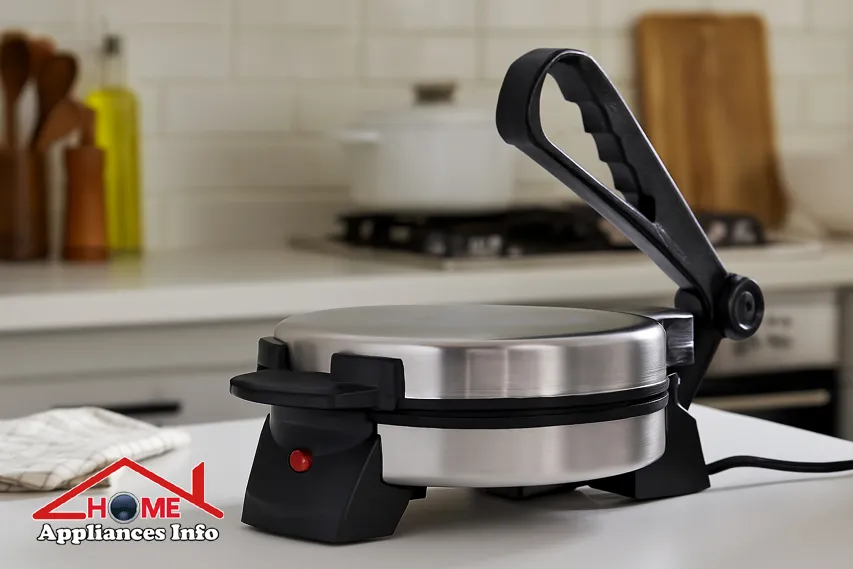
The classic electric roti maker is a familiar round press with two heated plates.
You place a small dough ball inside, press, and cook for a short time.
Why it can support healthier routines:
- Fast cooking encourages home meals instead of packaged bread
- Requires very little oil, especially with non-stick plates
- Easy to learn basic operation for teens or elders
Health-focused tips when using this style:
- Use whole wheat or multigrain flour instead of refined maida
- Brush only a thin layer of oil or ghee if desired
- Keep rotis thinner and well cooked for easier digestion
This type of electric roti maker is often the most budget-friendly.
It suits small families or students who want warm bread with minimal fuss.
3. Temperature-Controlled Electric Roti Maker: Fewer Burnt Bites
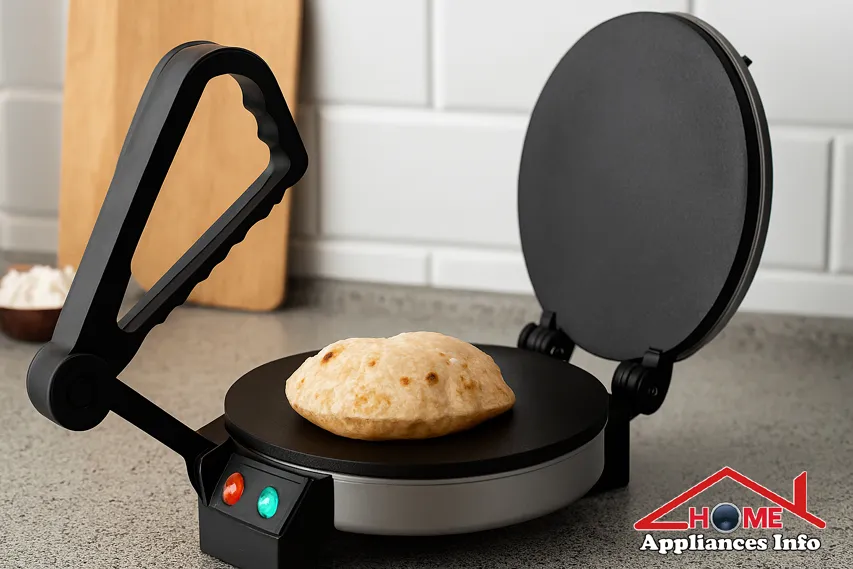
Some mid-range machines offer variable temperature control.
You can adjust heat to match different flours and preferences.
Health advantages of better temperature control:
- Less charring
Very burnt spots can produce unwanted compounds.
Avoiding them is better for long-term health. - Improved texture
Softer rotis are easier to chew and digest, especially for children or elders. - More flexibility
You can cook millet rotis, stuffed parathas, or even low-oil chillas.
Real-life example:
A family caring for elderly parents wants softer, easy-to-chew breads.
Temperature control helps them achieve this daily without extra effort.
This type of roti maker machine for home balances convenience with gentle cooking.
4. Multi-Grain Roti Maker Machine: Support for Blood Sugar and Weight Goals
Many people now experiment with multigrain or millet-based rotis.
These can have higher fiber and sometimes a lower glycemic impact.
A multi-grain friendly roti maker is not a separate technology.
It is usually a machine whose plates, heating, and design handle stickier or denser doughs.
Health benefits may include:
- Better satiety from higher fiber
- More diverse nutrients from different grains and seeds
- Potentially steadier blood sugar response for some individuals
Common flour combinations:
- Whole wheat + ragi
- Whole wheat + jowar + bajra
- Whole wheat + oats powder + flaxseed powder
For more detail on the science, you can read about the health benefits of whole grains.
When using multigrain doughs in a roti maker machine:
- Add slightly more water than usual
- Allow the dough to rest so fibers hydrate
- Test a few small balls to adjust thickness and temperature
This option suits those managing diabetes, PCOS, or weight concerns under medical guidance.
5. Compact Roti Maker Machine for Home: Small Spaces, Big Health Wins 🏠
Not everyone has a large kitchen.
A compact design can still support strong health habits.
Features of compact models:
- Smaller plate diameter, ideal for one or two people
- Foldable or vertical storage option
- Lighter weight, easier for elders to handle
Health-related advantages:
- Encourages cooking small, fresh batches instead of large, stale ones
- Makes it easy to prepare a quick single-serve lunch with dal or sabzi
- Reduces the excuse of “no space” for healthier tools
Real-life example:
A young professional living alone uses a compact machine.
They combine fresh rotis with simple salads and lentils for quick balanced meals.
If your goal is regular healthy dinners in a tight space, this style may work well.
6. Semi-Automatic Roti System: Dough Dispenser Plus Electric Press
Some setups combine a dough kneader or dispenser with an electric press.
This is not fully automated like the rotimatic roti maker, yet reduces manual work.
What makes this a health-supporting choice:
- Less reliance on packaged doughs
Freshly mixed dough avoids preservatives and extra salt. - Improved hygiene
You minimize repeated hand contact when dispensing dough directly. - Energy saving
Semi-automatic systems sometimes use less power than fully automatic units.
This kind of automatic roti maker system suits larger families.
Several members can share tasks while still easing strain on the main cook.
Example schedule:
- Kneader prepares dough while you chop vegetables
- Press cooks rotis while dal simmers
- Dinner is served with minimal frying or processed products
7. Smart App-Connected Automatic Roti Maker: Data for Your Diet 📱
Some newer machines connect to apps or smart home systems.
They track number of rotis made, settings used, and sometimes ingredient ratios.
Used thoughtfully, this data can support your health plan:
- Track average rotis per meal to adjust portion sizes
- Note days with more home cooking versus takeout
- Experiment with different flours and save preferred settings
If you work with a dietitian, this information can help them guide you.
They can adjust portions of dals, vegetables, and fats based on your roti intake.
Do remember that apps collect data.
Check privacy policies and share only what feels comfortable.
For tech-savvy health enthusiasts, this style of automatic roti maker can be motivating.
Quick Comparison of 7 Healthy Roti Maker Options
| Option | Type | Best For | Health Angle | Effort Level |
|---|---|---|---|---|
| 1. Rotimatic-style | Fully automatic | Busy families, tech users | Hands-free, consistent size, easy multigrain use | Very low during cooking |
| 2. Classic electric press | Electric roti maker | Students, small families | Fast, low oil, encourages home meals | Low |
| 3. Temperature-controlled | Electric with thermostat | Elders, texture-sensitive eaters | Softer rotis, fewer burnt spots | Low |
| 4. Multi-grain friendly | Electric or semi-auto | People with metabolic conditions | Supports higher fiber, diverse grains | Low–medium |
| 5. Compact home model | Space-saving electric | Singles, small kitchens | Fresh small batches, less waste | Low |
| 6. Semi-automatic system | Kneader + press | Larger households | Fresh dough, shared workload | Medium |
| 7. Smart app-connected | Connected automatic | Data-driven health planners | Portion tracking, habit awareness | Very low during cooking |
Wooden roti maker
A wooden roti maker can do more than shape perfect rotis. It can gently guide your family toward healthier habits. Many people feel overwhelmed by non-stick pans, excess oil, and confusing health advice. A simple, natural tool like a wooden roti maker offers calm in the kitchen and on your plate.
By choosing wood, you reduce exposure to synthetic coatings and support a more traditional, whole-food way of cooking. Let’s explore how this humble tool supports your well‑being. 🌿
1. Helps You Use Less Oil
A smooth wooden roti maker surface encourages even rolling.
That means:
• Thinner, more even rotis
• Less sticking and tearing
• Less need for extra oil or ghee
Lower fat intake supports heart health and weight management. You still enjoy soft, tasty rotis, just with fewer unnecessary calories.
2. Encourages Whole-Grain Choices
When you own a dedicated wooden roti maker, you are more likely to make dough at home. That makes it easier to choose:
• Whole wheat flour
• Multigrain atta
• Millet blends like jowar or bajra
Research on whole wheat health benefits shows better digestion, improved heart health, and longer satiety. You can learn more from this resource: whole wheat health benefits – https://www.healthline.com/nutrition/whole-grain-benefits.
3. Reduces Exposure to Questionable Coatings
Unlike some non-stick tools, a wooden roti maker does not rely on synthetic chemical coatings.
Benefits include:
• No risk of flaking non-stick surfaces
• Lower exposure to fumes at high heat
• A more natural contact surface for your food
For more background on cookware risks, see non-toxic cookware safety – https://www.ewg.org/consumer-guides/ewgs-guide-safe-cookware.
4. Supports Mindful, Stress-Relieving Cooking
Rolling roti on a wooden chapati maker has a soothing rhythm. 😊
This simple action can:
• Slow your breathing
• Shift focus away from screens
• Bring attention to texture, smell, and movement
Mindful routines like this support mental health and reduce stress. You can explore mindful eating habits here: mindful eating habits – https://www.apa.org/topics/mental-health/mindful-eating.
5. Gentle on Joints and Posture
A well-designed wooden roti maker sits stable on your counter.
That helps you:
• Keep wrists in a neutral position
• Avoid excessive pressure on fingers
• Maintain a comfortable shoulder height
These small details matter if you have arthritis, carpal tunnel, or neck strain. Short, frequent breaks and gentle wrist stretches further protect your joints.
6. Eco-Friendly Choice for a Healthier Home
Wood is renewable and long-lasting when ethically sourced. Choosing it can reduce:
• Plastic use
• Dependence on heavily processed materials
• Waste from frequently replaced tools
A calm, less cluttered kitchen environment also supports mental well-being. A durable wooden roti maker aligns health with sustainability. 🌍
Comparison Table: Wooden vs Other Roti Tools
| Feature | Wooden Roti Maker | Metal + Separate Rolling Pin | Electric Roti Press |
|---|---|---|---|
| Oil needed | Low | Medium | Medium to high |
| Chemical coatings | None | Possible (non-stick) | Often present |
| Heat exposure while shaping | Very low | Low | Higher, near hot plates |
| Mindful, hands-on feel | High | Medium | Low |
| Eco-friendliness | High | Medium | Low to medium |
FAQs: Wooden Roti Maker and Your Health
Is a wooden roti maker safe for daily use?
Yes, it is safe when made from food-grade, untreated hardwood and cleaned regularly. Avoid harsh chemical cleaners.
How do I clean it without damaging the wood?
Wipe with a slightly damp cloth, then dry fully. Use mild soap when needed and avoid soaking in water.
Can a wooden roti maker help me lose weight?
It supports weight goals indirectly. You will likely use less oil and more whole grains, which helps calorie control.
Is wood hygienic enough for dough?
Yes, if you clean, dry, and store it properly. Smooth surfaces and good airflow prevent moisture buildup and microbes.
Will it crack or warp over time?
Quality wood lasts years. Keep it away from extreme heat, strong sun, and standing water to prevent warping.
How to Choose the Right Roti Maker Machine for Your Health Goals
Selection is not only about price or brand.
It should reflect your health priorities and daily routine.
Ask yourself these questions:
- What is my main challenge?
- Time and fatigue
- Joint pain or physical limitation
- Blood sugar or weight control
- Space and budget
- How many people eat roti regularly?
- One or two only
- Medium family
- Large joint family or frequent guests
- How involved do I want to be?
- I prefer a fully hands-free process
- I do not mind pressing or flipping
- I enjoy some cooking but need help with volume
Health-oriented recommendations:
- For diabetes or metabolic concerns
Choose a machine that handles multigrain doughs well.
Pair with professional dietary advice. - For elderly parents
Favor simple controls, clear lights, and stable handles.
A basic electric roti maker with good grip can be ideal. - For weight management
Pick a device that creates consistent medium-sized rotis.
This helps track calories more easily. - For very busy professionals
A fully automatic system or at least semi-automatic combo may be worth it.
The time saved can support cooking vegetables or salads alongside.
If your site has related content, you can internally link to a guide on healthy Indian meal planning here.
Healthy Cooking Tips When Using an Electric Roti Maker
A machine is only part of the story.
Your ingredients and technique decide most health outcomes.
Here are practical tips:
- Choose better flours
- Use whole wheat as the base.
- Add small portions of ragi, jowar, or oats for variety.
- Avoid regular use of pure maida rotis.
- Use healthy fats in moderation
- Prefer oils rich in unsaturated fats.
- Rotate between mustard, groundnut, or rice bran oils as advised locally.
- Keep ghee to a thin layer unless medically restricted.
You can deepen your knowledge with this overview of healthy cooking oils.
- Watch portion sizes
- For many adults, two medium rotis with dal and vegetables may be enough.
- Very large or stuffed rotis can double your intake quickly.
- Balance your plate 🥗
Try to include:
- Half plate vegetables or salad
- One quarter plate roti or other grains
- One quarter plate protein like dal, beans, paneer, or lean meat
This idea is similar to Harvard’s Healthy Eating Plate.
Adapt it with your doctor or dietitian based on your needs.
- Mind the salt
- Packaged masalas, pickles, and papads can add a lot of sodium.
- Keep curries and sides lighter in salt to protect blood pressure.
- Stay hydrated
- High-fiber rotis need adequate water intake.
- Sip water through the day, unless your doctor restricts fluids.
Healthy use of a roti maker is less about perfection.
It is about small consistent choices that add up over months and years.
Safety, Hygiene, and Maintenance Tips
Safe use protects both your health and your investment.
Here is a simple checklist.
- Food safety and cleanliness
- Wash your hands before handling dough or machine parts.
- Clean plates and surfaces once they cool.
- Avoid leaving dough out for very long in hot weather.
For deeper guidance, review WHO’s facts on food safety.
- Non-stick surface care
- Use wooden or silicone tools to avoid scratches.
- Do not overheat an empty non-stick plate for long periods.
- Replace the machine if coating flakes or peels significantly.
- Electrical safety
- Plug into a suitable outlet with proper grounding.
- Keep cords away from water and hot burners.
- Unplug when not in use, especially around children.
- Regular maintenance
- Wipe flour spills so they do not carbonize and smoke.
- Follow manufacturer instructions for servicing if available.
- Store in a dry area to prevent rust on exposed parts.
- Listening to your body
- If a certain style of roti causes bloating or discomfort, adjust ingredients.
- Consider speaking with a healthcare provider for persistent digestive issues.
Healthy living is holistic.
Appliances help, but your body’s feedback remains the final guide.
Frequently Asked Questions
Is roti from a machine as healthy as hand-rolled roti?
Yes, it can be just as healthy, or sometimes better.
Health depends mainly on flour quality, portion size, oil used, and side dishes.
A consistent, medium-sized roti from a machine can help you track intake more clearly.
Can I use multigrain or millet flour in a roti maker machine?
In many cases, yes.
You may need to:
- Add more water
- Rest the dough longer
- Adjust plate temperature or cooking time
Check your machine’s manual first.
Start with a small batch to find the right texture.
Does an automatic roti maker use a lot of electricity?
Usage varies by model and frequency.
For most households, power use is similar to or less than a large electric iron.
The health benefits of home cooking often outweigh this cost.
Which type of roti maker is best for people with diabetes?
There is no single “best” machine.
Look for a model that:
- Handles multigrain or high-fiber dough
- Produces consistent medium-sized rotis
- Is reliable enough to encourage daily home cooking
Always pair tool choice with professional medical and nutritional advice.
Are non-stick plates in an electric roti maker safe?
Most quality non-stick coatings are safe when used correctly.
Avoid overheating empty plates and never scrape them with metal.
If coating peels, replace the machine, as ingestion of flakes is not ideal.
How many rotis per day are healthy?
This depends on age, activity level, health conditions, and total diet.
Some people do well with two to three rotis spread across meals.
Others may need more or fewer.
Your doctor or dietitian can guide you best.
Conclusion: Bring Home Support for Healthier Eating 🌾
Healthy eating is not about strict rules.
It is about building a lifestyle you can maintain with kindness to yourself.
A thoughtfully chosen roti maker can reduce effort while keeping your meals homemade.
From fully automatic systems to simple classic presses, you have many supportive options.
Focus on what matters most:
- Whole and diverse grains
- Moderate oil and salt
- Balanced plates with vegetables and protein
- Listening to your body’s signals
When you choose a roti maker that fits your routine and health goals, it becomes more than a gadget.
It turns into a daily partner for nourishing yourself and your family.
Take a moment to reflect on your current habits and challenges.
Then pick one of these seven options that feels realistic and supportive.
Your future self, with more energy and comfort, will likely be grateful.