


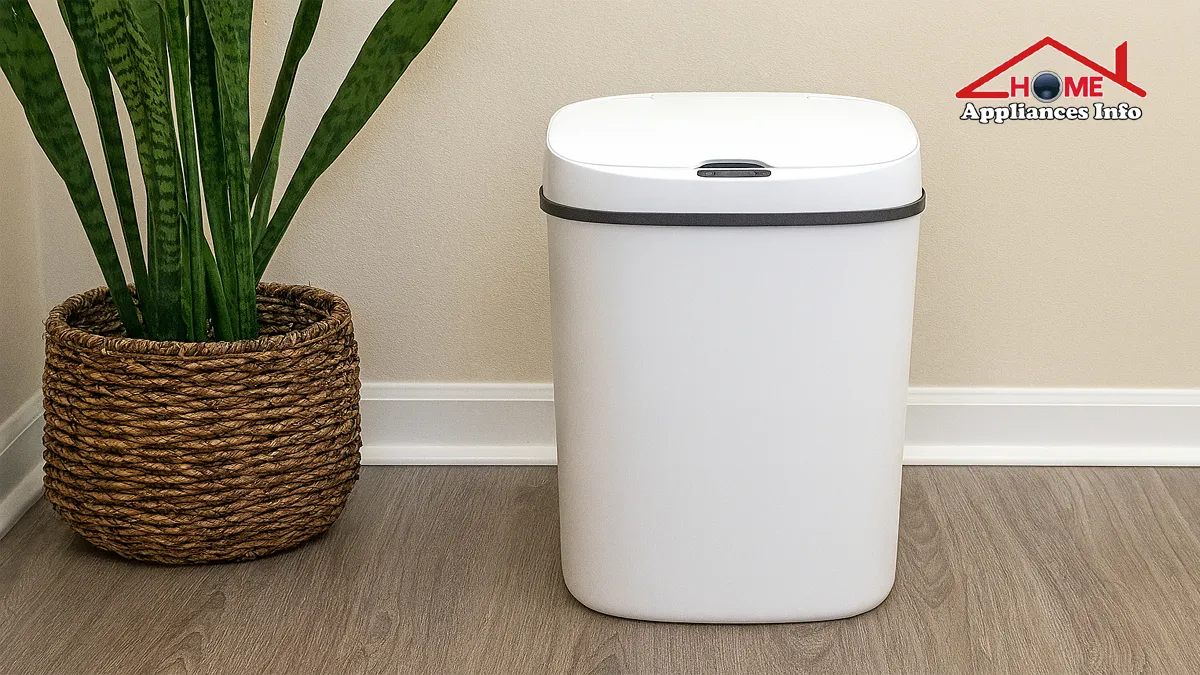
Home health is about more than food choices and workout plans. It also lives in the small, daily habits we repeat without thinking. One of those habits is how we handle trash. A smart trash can may look like a simple upgrade, yet it can quietly transform hygiene and comfort in your space.
Think about how often you touch your garbage lid in a day. During cooking. After changing a diaper. While cleaning up after someone who is sick. Each touch is a chance for germs to move from the bin to your hands, then onto food, faces, and surfaces.
Modern smart trash cans use motion sensors, slow-close lids, odor control, and clever liners to cut that risk. They also make it easier to separate waste, reduce pests, and keep smells under control. The result is a cleaner, calmer home that supports your physical and emotional well-being. 🌿
In this guide, you will find:
- 7 brilliant smart trash bin picks, each with a clear health benefit
- How each design supports hygiene, comfort, and safety
- A comparison table to match features to your lifestyle
- Practical tips to build healthier habits around trash
Let’s explore how thoughtful waste design can become a quiet ally for your health.
What Makes a Smart Trash Can Different for Your Health?
A regular bin holds waste. A smart trash can helps you manage it in a cleaner, safer way. The difference lies in how often you need to touch it, how well it controls odor, and how easily you can keep it clean.
Here are key health-focused advantages:
- Less hand contact
- Motion sensors open the lid when you wave a hand or move nearby.
- That means fewer germs from raw meat, used tissues, or bathroom waste reach your hands.
- Better odor control
- Tight seals and carbon filters trap smells.
- This can make a big difference for people with nausea, asthma, or migraine triggers.
- Cleaner surfaces
- Fingerprint-resistant stainless steel and removable inner buckets help.
- Wiping down a smooth, sealed surface is faster and more effective.
- Fewer pests and allergens
- Secure lids protect against flies, cockroaches, and rodents.
- Less exposure to pests means lower risk of allergen and pathogen spread.
- Support for healthier routines
- Built‑in recycling sections encourage sorting.
- Small countertop smart trash bins near food prep areas promote prompt cleanup.
Trash is a daily reality. Designing around it with intention makes your kitchen, bathroom, nursery, or office a safer place to be.

7 Brilliant Smart Trash Picks for a Healthier Home and Office
Below are seven styles of smart trash cans that shine for health and hygiene. Each “pick” highlights a type rather than one single brand, so you can match features to your needs and budget.
Pick 1: Touchless smart trash can for germ-conscious kitchens 🍽️
The kitchen is where hygiene and health intersect most clearly. Raw poultry, eggs, and leftovers can all carry bacteria. You should not have to touch a dirty lid right after handling them.
A touchless kitchen smart trash bin uses an infrared sensor to open the lid as your hand, plate, or cutting board approaches.
Health benefits:
- Reduced cross-contamination
You can drop peels, packaging, and raw meat wrappers without touching anything. This supports better hand hygiene. - Safer food prep
You stay focused on safe chopping and cooking, rather than juggling lids with messy hands. - Easier deep cleaning
Many models have removable inner buckets and smooth edges. That makes disinfecting much easier.
Look for:
- A delay or adjustable sensor to avoid opening every time you walk by
- A lid that stays open long enough for meal prep cleanup
- Stainless steel exterior for durability and ease of cleaning
Short example:
You are dicing chicken, tossing scraps straight into a sensor can. No lid touches. You wash hands once at the end, rather than between every trip to the bin.
This single habit can lower risk of foodborne illness and cut stress during busy cooking times.
Pick 2: Dual-compartment smart trash bin for stress-free sorting 🌎
Visual clutter can raise stress levels. Bags, bottles, and cans stacked near a single bin can make your kitchen feel chaotic. A dual-compartment smart trash bin brings structure and calm.
These units feature two sections: one for trash, one for recycling or compost. Often there is a motion sensor lid or pedal‑free opening for one or both sides.
Health benefits:
- Cleaner, calmer space
A tidy, organized kitchen can support mental well-being and lower daily stress. - Reduced pest attraction
Recycling and food waste are contained, not piled on counters or floors. - Better environmental health
Easier recycling supports broader community and environmental health over time.
Look for:
- Color-coded or clearly labeled compartments
- Odor control in the side that holds food scraps
- Bags or liners that are easy to swap without touching waste
Short example:
Instead of balancing a sticky bottle on the counter “for later,” you drop it into the recycling side while the lid opens hands‑free. Small moments like this can reduce visual mess and keep pests away.
Pick 3: Odor-controlled nursery or bathroom smart trash cans 🚼
Bathroom and nursery waste can carry more than bad smells. It may include body fluids, diapers, tissues, and sanitary products. Smart trash cans designed for these spaces focus on odor and germ control.
Health benefits:
- Better infection control
A lid that seals tightly helps confine germs and viruses to the bin. This matters during cold and flu season. - More comfortable breathing
Strong smells can trigger nausea, headaches, and even asthma in sensitive people. - Emotional comfort
Parents and caregivers often feel calmer in a fresh-smelling nursery or bathroom.
Key features to seek:
- Double-sealed lids or specialized diaper-sealing systems
- Replaceable charcoal or carbon filters
- Simple bag-change systems that reduce contact with waste
For bathrooms, a compact motion-activated unit can keep hands off the lid after toileting. That supports safer routines, especially for kids still learning proper habits.
Short example:
After a diaper change at 3 a.m., you wave your hand and drop the diaper in. The lid closes quietly. No lingering odor, no noisy slam, and no juggling a dirty lid with a tired baby in your arms.
Pick 4: Pet-proof and child-safe smart trash for curious households 🐶👶
If you live with pets or young children, you know how fascinating trash can be. Dogs may raid the bin for food. Toddlers may dig into discarded objects. Both behaviors raise real health concerns.
Pet-proof and child-safe smart trash cans focus on secure lids and stable bases. Many combine touchless opening with lock features.
Health benefits:
- Lower poisoning risk
Pets and children are less likely to access cleaning products, medications, or spoiled food. - Reduced choking hazards
Curious hands or noses cannot easily reach small plastic pieces or other risky items. - Fewer mess-related germs
No more overturned bins spreading food waste across the floor.
Look for:
- Lockable lids or manual lock switches
- Heavy bases that resist tipping
- Narrow openings that limit access, even if the lid opens
Short example:
Your dog used to raid the kitchen trash and vomit later. With a stable, locking smart trash bin, the lid only opens when you trigger the sensor. Access stays controlled, and your pet’s stomach stays calmer.
Pick 5: Office and shared-space smart trash cans for hygiene at work 🏢
Shared spaces bring shared germs. Break rooms, conference rooms, and open offices see many hands, snacks, and used tissues every day. Smart trash cans can support cleaner habits without requiring constant reminders.
Health benefits:
- Reduced touchpoints
A motion-activated lid means dozens of people do not touch the same, often unwashed, surface. - Better encouragement of healthy habits
A hygienic, modern bin can gently remind people to dispose of tissues and wipes correctly. - Improved air quality and comfort
Good odor control and sealed lids help maintain pleasant shared air.
Some newer models even connect to apps or sensors that track fill levels. While this is more of a facility management feature, it can support timely emptying. That keeps waste from overflowing and reduces smells.
Look for:
- Large capacity for high-traffic areas
- Quiet, slow-close lids for noise-sensitive offices
- Simple liners so cleaning staff can work efficiently and safely
Short example:
In an office kitchen, staff toss food scraps into a sensor bin instead of leaving plates in the sink. The room smells fresher, and pest problems become less common.
Pick 6: Compact countertop smart trash for safer food prep 🍏
Small countertop smart trash bins are perfect for food prep zones. They handle peels, stems, coffee grounds, tea bags, and small scraps. Some are designed as smart compost caddies with odor control.
Health benefits:
- Less cross-contamination
You scrape cutting boards directly into the bin without crossing the room. - Cleaner counters
Scraps do not sit out, attracting flies or bacteria. - Support for healthier cooking habits
A tidy prep space can make it easier to cook fresh, whole foods.
Look for:
- Removable, dishwasher-safe inner containers
- Tight lids or filters to prevent fruit flies
- Non-slip bases to avoid spills
Countertop smart trash bins also make it simpler to separate food waste for composting. That reduces total trash volume and supports healthier household waste management.
Short example:
You prep salad next to a compact smart trash container. Every peel goes straight inside. When you are done, the counter is already clear and ready for safe cleaning.
Pick 7: Bedroom and home-office smart trash cans for cleaner air 🛏️💻
We spend many hours in bedrooms and home offices. Trash may include tissues, snack wrappers, and used face masks. Leaving these in open bins can affect both hygiene and comfort.
Smart trash cans for these spaces emphasize quiet operation and subtle design. Many offer soft-close lids, motion sensors, and compact shapes that fit under desks or beside nightstands.
Health benefits:
- Cleaner air and reduced odors
Sealed lids and optional filters can support better indoor air quality. - Lower germ spread during illness
Used tissues go straight into a bin that closes itself. That helps contain respiratory droplets. - Support for restful sleep and focus
Less clutter and smell can reduce distractions, supporting mental health and sleep quality.
Look for:
- Whisper-quiet lids
- Batteries or power options that do not create cord clutter
- A design that feels calming in your personal space
Short example:
During a cold, you keep a smart trash bin by the bed. Tissues drop in quickly, and the lid closes itself. You rest easier knowing used items are contained.
Comparison Table: Match Each Smart Trash Pick to Your Health Needs
| Pick # | Type | Primary Health Benefit | Best Location | Typical Capacity |
|---|---|---|---|---|
| 1 | Touchless kitchen can | Reduces cross-contamination during food prep | Main kitchen | 40–60 liters |
| 2 | Dual-compartment bin | Organized, cleaner space and easy recycling | Kitchen or pantry | 40–60 liters total |
| 3 | Odor-controlled nursery/bath bin | Odor and germ containment | Nursery, bathroom | 10–30 liters |
| 4 | Pet-proof and child-safe bin | Prevents access to dangerous waste | Kitchen, laundry, garage | 30–60 liters |
| 5 | Office and shared-space can | Limits shared touchpoints and odors | Office, break room | 40–80 liters |
| 6 | Compact countertop bin | Cleaner food prep area and easy composting | Kitchen counter | 2–10 liters |
| 7 | Bedroom/home-office can | Fresher air and contained tissues | Bedroom, home office | 5–15 liters |
Use this table as a quick guide. Think about the room where you handle the most “high‑risk” waste and start there.
How to Choose the Right Smart Trash Can for Your Home
Picking a smart trash can is not just about style. It is about matching features to real health needs in your household.
Consider these factors:
Capacity and location
- Kitchen cans usually need larger volumes.
- Bathrooms and bedrooms do best with smaller, compact bins.
- If you change diapers or cook often, choose a larger model with strong odor control.
Sensor design and responsiveness
- Some sensors sit on top; others sit on the front.
- Top sensors work well in cramped spaces.
- Front sensors may be more convenient when your hands are full.
- Look for a short delay to prevent constant opening as people walk by.
Lid type and noise level
- Soft-close lids protect fingers and reduce noise stress.
- Manual override buttons can help if batteries die.
- A secure seal is important for odor and pest control.
Materials and cleanability
- Stainless steel is durable and easy to wipe down.
- Plastic may feel lighter and quieter but can absorb odors with time.
- Smooth interiors, minimal seams, and removable buckets support effective cleaning.
Odor management
- Charcoal filters, scent pods, or tight seals all help.
- For nursery and bathroom use, prioritize strong odor containment.
- If sensitive to scents, choose filter-based systems rather than perfumed liners.
Power source
- Battery-operated models offer flexible placement.
- Plug-in models avoid battery waste but need outlets.
- Rechargeable options balance convenience and sustainability.
Safety and stability
- For homes with pets or kids, a weighted base and locking lid are important.
- Non-slip feet reduce tipping in high-traffic areas.
Take a moment to map your daily routines. Where do you most often say, “I wish this felt cleaner or easier”? That spot is the best candidate for your first upgrade.
Healthy Habits to Pair with Your Smart Trash Bin
A smart trash bin supports health best when you pair it with good habits. Here are simple routines that make a big difference.
Wash hands at key moments
Even with touchless lids, handwashing remains essential. Prioritize hand hygiene after:
- Handling raw meat and eggs
- Changing diapers or cleaning up bodily fluids
- Emptying household trash or recycling
- Blowing your nose or caring for someone who is sick
Handle food waste safely
Many smart trash cans sit in the kitchen. Combine them with basic food safety steps:
- Keep raw meat scraps separate from other trash when possible.
- Empty bins containing food waste often to reduce bacterial growth.
- Clean and disinfect the inside and outside of the bin regularly.
Support indoor air and odor control
Smart lids and filters help, but they are not the only tools. For better indoor air quality:
- Open windows when weather allows.
- Use exhaust fans in kitchens and bathrooms.
- Avoid letting trash overflow.
Empty and clean on a schedule
- Set a regular time to empty each bin, even if not full.
- Wipe down lids, rims, and sensors with a gentle disinfectant.
- Rinse and dry inner buckets to prevent mold.
Teach household members the system
- Show children how the sensor works and when to use it.
- Explain recycling or compost rules in simple terms.
- Encourage everyone to respect lids and avoid forcing them open or closed.
These habits turn smart trash into a reliable partner in your daily health routine rather than just a fancy container.
Frequently Asked Questions About Smart Trash and Health
Are touchless trash cans really more hygienic?
Yes. By reducing how often you touch a shared surface, touchless lids lower the chance of germs moving from waste to your hands. You still need to wash your hands, but you cut one major contact point from your routine.
Do smart lids and filters actually reduce odors?
They can help a lot. Sealed lids trap smells inside the bin. Charcoal or carbon filters absorb many odor molecules. However, you still need to empty bins regularly and clean them to control bacteria and mold.
Can a smart trash can help prevent foodborne illness?
It can support safer habits. A sensor lid lets you dispose of raw meat packaging without touching the bin. This lowers cross-contamination risk. When you combine that with safe food handling and regular cleaning, your overall risk decreases.
Is a smart trash bin safe around children and pets?
Most are safe when used correctly. For households with curious kids or pets, choose models with locking lids, stable bases, and narrow openings. Always store hazardous items, like sharp objects or chemicals, as directed by product labels.
How often should I clean my smart trash cans?
Aim to wipe exterior surfaces weekly and deep-clean the inside at least once a month. For bins holding diapers, food scraps, or bathroom waste, more frequent cleaning may be helpful. Replace filters as the manufacturer recommends.
Do I need a smart trash can in every room?
Not necessarily. Start with one or two high-impact areas, like the kitchen or nursery. If you notice real improvements in cleanliness, odor, or ease of use, you can expand to bathrooms, bedrooms, or your home office later.
Bring Healthier Habits Home with a Smart Trash Can
Hygiene is built from many small choices. A smart trash can may seem minor, yet it quietly shapes how you handle waste, odors, and germs every day.
By choosing a design that fits your routines, you can:
- Reduce cross-contamination in the kitchen
- Contain odors in nurseries and bathrooms
- Protect pets and children from hazardous waste
- Keep offices and bedrooms cleaner and more comfortable
Start with the room that feels most challenging. Maybe it is the kitchen where you cook for your family, or the nursery where you change diapers at all hours. Pick one of the seven styles that matches your needs, and let it support better health with every wave of your hand. 🌱
From there, pair your new smart trash bin with thoughtful habits: regular handwashing, safe food handling, and consistent cleaning. Together, these small upgrades can create a home or workplace that truly feels fresher, safer, and more supportive of your well-being.
1 Comment
Pingback: Smart Water Cup 7 Powerful Picks: Innovative Designs That Truly Impress