

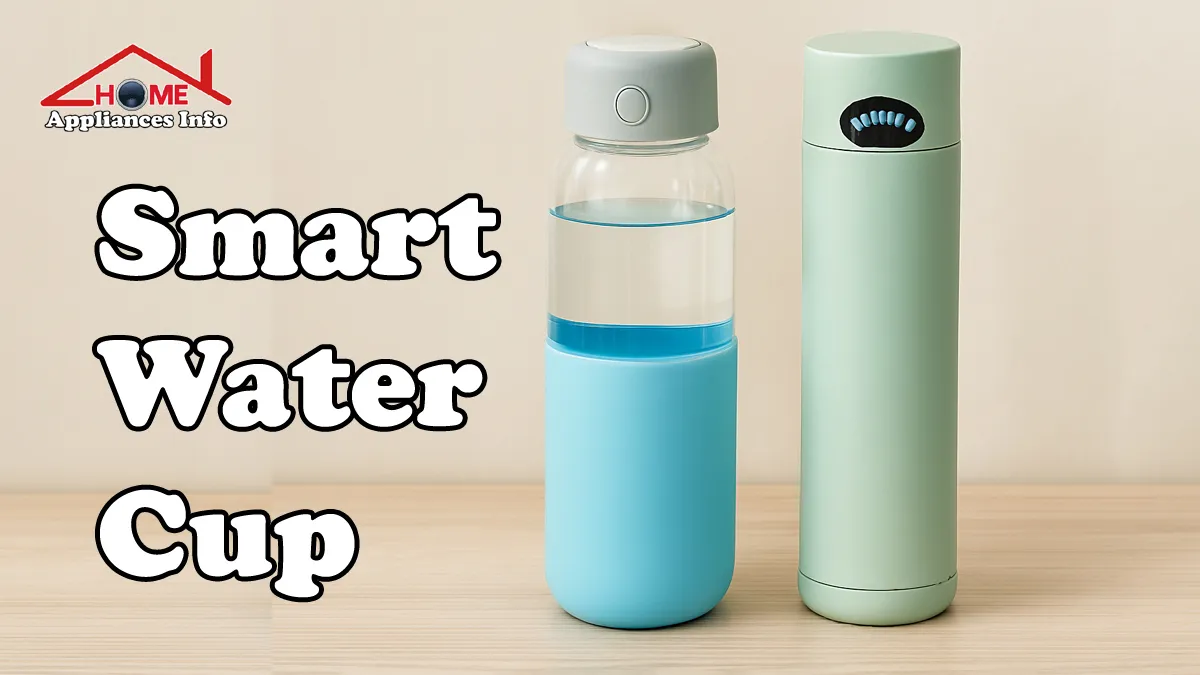
You know drinking enough water matters. Yet busy days, stress, and constant distractions make it easy to forget. A Smart Water Cup can turn that daily struggle into a gentle, supportive routine instead of another chore.
Many people think dehydration only happens on very hot days. In reality, even mild fluid loss can affect mood, focus, and energy. Research shows that being just a little dehydrated can reduce attention and increase fatigue.
If you often say, “I just forget to drink,” you are not alone. The right connected hydration cup can guide you with reminders, data, and small nudges. Think of it as a kind health coach for your water habit. 💙
In this guide, you will discover seven impressive smart cup designs, how they support your health, and how to choose the best option for your lifestyle.
What Is a Smart Water Cup?
A Smart Water Cup is more than a stylish bottle. It blends hydration tracking with gentle technology. Most models include:
- Sensors to measure how much you drink.
- Bluetooth connection to an app on your phone or watch.
- Reminders through lights, vibrations, or notifications.
- Progress tracking, often based on your age, weight, and activity.
Some advanced smart water bottles even integrate with fitness trackers or smartwatches. They help you see how hydration connects with steps, workouts, and sleep.
The goal is not to control you. The goal is to support you while you build a steady, healthy routine.
If you feel overwhelmed by apps and gadgets, do not worry. Several designs on this list stay simple and intuitive.
Why Smart Hydration Tools Matter for Your Health
Water supports almost every function in your body. It helps regulate temperature, move nutrients, cushion joints, and clear waste. Even small shortfalls can affect how you feel.
Studies suggest mild dehydration can reduce mental performance and mood. That can mean:
- Headaches or a heavy feeling in your head.
- Slower reaction time and mental sharpness.
- Lower motivation and more irritability.
Trusted organizations highlight the many benefits of drinking water, including support for digestion, cognition, and temperature control. You can read more about the benefits of drinking water from the CDC: https://www.cdc.gov/healthywater/drinking/nutrition/index.html.
A smart drinking bottle will not fix everything. Yet it can remove one major barrier: forgetting. When reminders are automatic, you can focus on your day and still protect your health.
7 Smart Water Cup Picks That Truly Impress
Below are seven styles and feature sets that stand out. Think of them as types or “personalities” rather than only single products. This helps you match your needs more easily.
1. The Habit-Tracking Smart Cup for Busy Professionals
This intelligent water bottle focuses on structure. It tracks every sip and compares it with your personal goal. The app usually asks for details like weight, age, and activity level. Using that data, it suggests daily water intake goals tailored to you.
You might see a clear dashboard with:
- Total water consumed today.
- Percentage of your target completed.
- Gentle reminders spaced through your working hours.
Why it impresses:
- Perfect for people lost in meetings or screens.
- Reduces decision fatigue by planning hydration for you.
- Many models sync with calendar or work apps.
Real-life example: A project manager keeps their smart cup beside their laptop. Soft light pulses remind them to sip during long online meetings without embarrassment or disruption.
Health impact: Steadier intake helps avoid the afternoon slump that often comes from quiet dehydration.
2. The Mood-Boosting Light-Up Smart Water Cup
This connected hydration cup turns drinking water into a small reward. Lights along the base or sides glow when you reach milestones. Some models even change colors with your progress. 🌈
You may set goals like:
- Number of cups before lunchtime.
- Total ounces before evening.
- Small streaks, such as three consistent days.
Why it impresses:
- Visual feedback feels playful, not judgmental.
- Encourages positive reinforcement rather than guilt.
- Works well for visual learners and creative minds.
Real-life example: An artist keeps a glowing smart cup in their studio. Each color change feels like a small celebration, nudging them to refill without constant phone checks.
Health impact: Consistent sips support concentration and creativity, especially during long focused tasks.
3. The Family-Friendly Smart Cup for Shared Homes
Families and shared households often struggle with mixed routines. One person drinks plenty. Another forgets all day. A third prefers flavored drinks. A family-focused Smart Water Cup system helps everyone stay mindful.
Key features often include:
- Multiple user profiles in one app.
- Color-coded lights or tags for each person.
- Child-friendly designs with sturdy materials.
Parents can:
- Encourage children to drink water instead of sugary drinks.
- Model healthy behavior by using their own smart bottle.
- Turn hydration into a small family game.
Why it impresses:
- Supports different ages and needs in one platform.
- Can reduce arguments about “who drank my bottle.”
- Makes learning about health more interactive for kids.
Real-life example: A parent sets gentle goals for their child. When the child meets their target, the cup shows a fun animation in the app. That small moment builds pride and awareness.
Health impact: Current pediatric guidance stresses balanced fluid intake. Learning healthy patterns early can support lifelong habits. Families may consult hydration guidelines from sources like the World Health Organization: https://www.who.int/news-room/fact-sheets/detail/drinking-water.
4. The Fitness-Linked Smart Bottle for Active Lifestyles
If you run, cycle, lift, or hike, your fluid needs shift with your training. A fitness-linked smart water bottle connects hydration with activity data. Many models integrate with popular fitness platforms or watches.
Common features include:
- Adjusted goals on workout days.
- Reminders based on heart rate or step count.
- Post-workout summaries showing lost and replaced fluids.
Why it impresses:
- Follows your body, not just a static number.
- Helps reduce guesswork about hydration on heavy training days.
- Encourages sipping before, during, and after exercise.
Real-life example: A runner pairs the cup with their smartwatch. On long run days, the app raises the hydration goal slightly. The bottle sends extra reminders in the hour before training.
Health impact: Proper fluid intake helps maintain blood volume, temperature control, and performance during exercise. This may reduce risk of dizziness or heat stress.
5. The Mindful Drinking Smart Cup for Stressful Days
Some people do not just forget water. They also eat or drink mindlessly when stressed. A mindful Smart Water Cup aims to slow you down, just a little. It blends hydration tracking with gentle pauses. 🧘♀️
Features can include:
- Reminders paired with short breathing cues.
- Prompts to rate mood or stress when you drink.
- Reflections on how water and mood connect.
Why it impresses:
- Encourages small micro-breaks during intense work.
- Helps you notice patterns between stress, thirst, and cravings.
- Feels supportive, not pushy.
Real-life example: An accountant pauses for three deep breaths with each reminder. Over time, they notice fewer stress snacks and more calm focus.
Health impact: Mindful drinking supports both physical hydration and emotional balance. It helps some people reduce reliance on sugary beverages used as “comfort.”
6. The Night-and-Day Hydration Cup for Better Sleep
Sleep and hydration influence one another more than many people realize. Too little water can trigger leg cramps, headaches, or dry mouth. Too much, too late, leads to frequent bathroom trips. A day–night smart hydration system helps balance that cycle.
You might see:
- Daytime goals focused on steady intake.
- Evening settings that reduce reminders.
- Data showing how late beverages affect your sleep.
Why it impresses:
- Ideal for people who wake often at night.
- Encourages front-loading fluids earlier in the day.
- Integrates with some sleep apps and trackers.
Real-life example: A teacher used to drink most of their water at night. Data from their smart bottle showed a link between late chugging and restless sleep. With new patterns, they fall asleep faster.
Health impact: Balanced fluid intake can support comfortable sleep and stable blood pressure. You can explore research on sleep and hydration at the Sleep Foundation: https://www.sleepfoundation.org/nutrition/hydration-and-sleep.
7. The Minimalist Smart Water Cup for Tech-Wary Users
Not everyone wants detailed stats or frequent notifications. The minimalist smart cup focuses on subtle cues and simple tracking. It avoids overwhelming you with data.
Typical traits include:
- No or low dependency on phone use.
- Soft light reminders at gentle intervals.
- Simple progress markers instead of full analytics.
Why it impresses:
- Great for people sensitive to digital overload.
- Supports health without demanding constant attention.
- Often has a clean, modern design that suits many spaces.
Real-life example: An older adult feels nervous about complex apps. Their minimalist smart bottle only uses a series of dots to show progress. That is enough to keep them more consistent.
Health impact: Even basic reminders can reduce the risk of mild dehydration, which is especially important for older adults.
Comparison Table: Which Smart Cup Style Fits You Best?
| Smart Cup Type | Best For | Key Features | Health Benefit Focus |
|---|---|---|---|
| Habit-Tracking Smart Cup | Busy professionals | Detailed tracking, app reminders, tailored targets | Steady intake across the workday |
| Mood-Boosting Light-Up Cup | Visual and creative personalities | Color lights, milestone celebrations | Motivation and consistent daily sipping |
| Family-Friendly Smart Cup | Households with kids or shared bottles | Multiple profiles, color coding | Early habit building and reduced sugary drinks |
| Fitness-Linked Smart Bottle | Athletes and active lifestyles | Syncs with fitness apps, workout adjustments | Performance, recovery, and heat safety |
| Mindful Drinking Smart Cup | People under stress or emotional eaters | Breathing prompts, mood check-ins | Stress relief and mindful consumption |
| Night-and-Day Hydration Cup | Light sleepers or frequent bathroom trips | Day vs. evening goals, sleep data | Comfortable sleep and balanced intake |
| Minimalist Smart Water Cup | Tech-wary or older adults | Simple lights, minimal app reliance | Basic protection from daily dehydration |
How to Choose the Right Smart Water Cup for You
Choosing a Smart Water Cup is not about finding the most advanced device. It is about matching features with your real life.
Ask yourself these questions:
- How much tech do you enjoy?
- If you love data, choose detailed tracking and fitness syncing.
- If you feel overwhelmed by apps, pick a minimalist or light-based design.
- Where will you use it most?
- At a desk: stability matters, plus quiet reminders.
- In the car or gym: look for strong lids and easy-grip shapes.
- At home with kids: prioritize durability and clear color coding.
- What is your biggest barrier?
- Forgetting to drink.
- Getting bored with plain water.
- Disliking frequent bathroom breaks at night.
Match that barrier with the right feature:
- Forgetting: stronger reminders and habit tracking.
- Boredom: mood-boosting lights and gamified milestones.
- Nighttime issues: day–night scheduling and sleep integration.
- Do you have any health conditions?
If you have kidney disease, heart issues, or fluid restrictions, always consult your healthcare provider. A smart bottle can still help, but goals must fit your medical plan.
You can review common dehydration symptoms with a trusted source like Mayo Clinic: https://www.mayoclinic.org/diseases-conditions/dehydration/symptoms-causes/syc-20354086.
Healthy Habits to Pair with Your Smart Water Cup
Your smart bottle is a tool, not magic. Pairing it with small habits will give you the best results.
1. Start Your Day with One Glass
Keep your intelligent water bottle by your bed. Drink a modest amount soon after waking. This simple step rehydrates after sleep and sets the tone for the day.
2. Build “Anchor Moments”
Attach drinking to actions you already do:
- After brushing your teeth.
- Before you start your computer.
- When you finish a restroom break.
Your Smart Water Cup reminders will reinforce these anchor moments until they feel natural.
3. Flavor Wisely
If you struggle with plain water, gentle flavor can help. Try:
- Lemon, lime, or cucumber slices.
- A few berries or mint leaves.
Avoid adding too much sugar or syrup. Your connected hydration cup will work best when you actually enjoy each sip. 😄
4. Pace Yourself, Do Not Chug
Large amounts of water at once can feel uncomfortable. They may also cause more bathroom trips. Steady sipping supports your body more gently.
Many apps now show pacing across the day instead of only one final total. That helps you notice if you drink everything in the evening and almost nothing in the morning.
5. Listen to Your Body Too
Data is helpful, but not perfect. Notice your own signals as well:
- Thirst.
- Dry mouth or lips.
- Dark yellow urine.
If you feel unwell, follow your body and medical advice, not only your app. External resources on daily water intake, like the National Academies overview here https://www.nap.edu/read/10925/chapter/8#135, can also guide your discussions with a clinician.
Frequently Asked Questions About Smart Water Cups
1. Are smart cups safe for everyday use?
Most reputable smart water bottles use food-grade materials like BPA-free plastic or stainless steel. Still, always check product descriptions and certifications. If you have chemical sensitivities, choose stainless steel or glass options.
2. How much water should I actually drink each day?
Needs vary with age, climate, activity, and health. Many adults feel well around 2–3 liters daily, from all beverages and foods. However, your ideal amount may differ. Use your Smart Water Cup as a guide, and consult your clinician when unsure.
3. Can a smart hydration cup help with weight management?
It may support weight goals indirectly. Staying hydrated can reduce mistaking thirst for hunger. Some people find that regular water intake lowers cravings for sugary drinks or snacks. Still, weight management also depends on nutrition, sleep, activity, and stress.
4. Will I become dependent on reminders to drink water?
Most people use reminders as training wheels, not a permanent crutch. Over time, your body and mind learn new patterns. You may notice you reach for water even before the light flashes. If you feel overly dependent, you can slowly reduce reminder frequency.
5. Are these cups suitable for children?
Some models are designed with kids in mind. Look for sturdy builds, simple interfaces, and limited app complexity. Always supervise young children and keep hot liquids away from any sealed bottle. For special health needs, ask your pediatrician before setting water goals.
6. What if my app’s suggested goal feels too high or too low?
Treat suggested goals as starting points, not strict orders. Adjust gradually until the level feels practical and comfortable. If you have medical conditions affecting fluid balance, follow guidance from your healthcare provider first.
Conclusion: Let a Smart Water Cup Support the Health You Deserve
Staying hydrated should not feel like a constant struggle. With the right Smart Water Cup, you can turn small sips into a steady, caring habit.
Whether you prefer a light-up celebration cup, a minimalist design, or a deeply connected smart water bottle, there is a style that fits your world. These tools cannot replace balanced nutrition, rest, or medical care. Yet they can free your mind from one more thing to remember and give your body the hydration it quietly needs. 💧
You deserve a daily routine that supports your energy, mood, and long-term health. Choose the connected hydration cup that matches your lifestyle, start with gentle goals, and notice how small, consistent steps can transform how you feel.

1 Comment
Pingback: Smart Bed: 11 Powerful Reasons Why Sleep Number Smart Beds Dominate the Market