

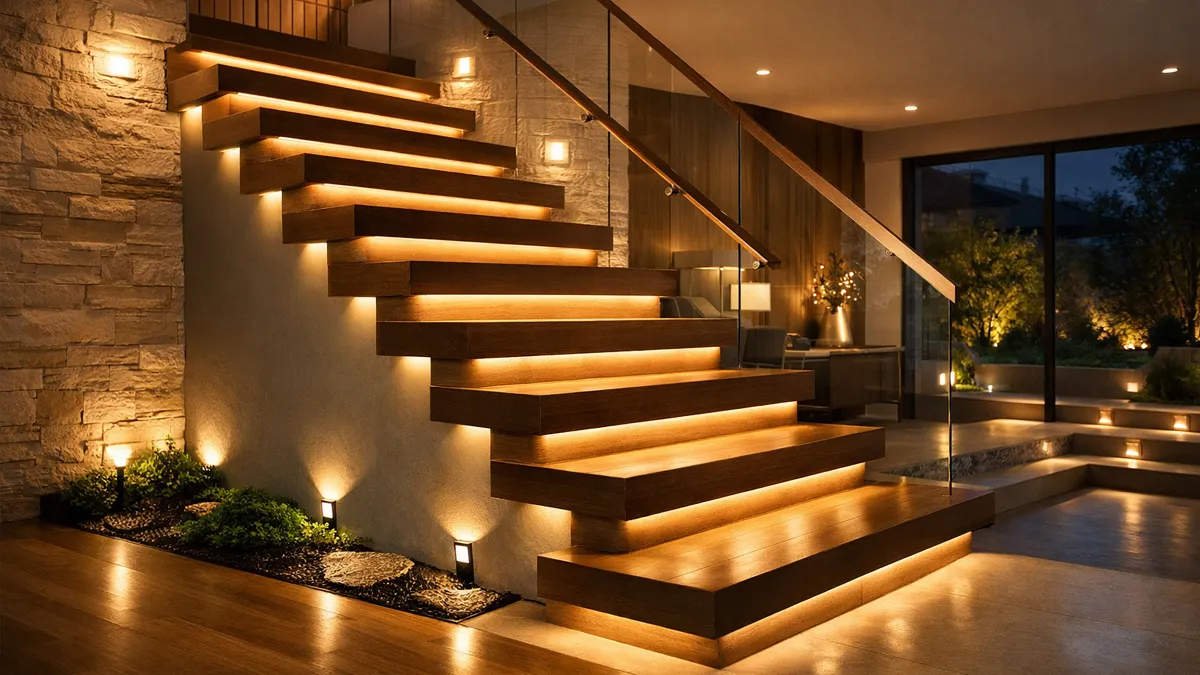
A well-placed Stair light can change how a home feels at night. It makes each step safer, adds warmth, and gives the staircase a quiet sense of style. In 2026, stair lighting is no longer treated as a small finishing detail. It has become part of smart home planning, energy-saving design, and everyday comfort.
Many homeowners first think about lighting after a near miss. A dim landing, a dark hallway, or a slippery outdoor step often becomes the turning point. Then comes the realization: lighting is not just about visibility. It shapes mood, highlights architecture, and makes a home feel more thoughtfully designed.
Today’s options go far beyond one overhead bulb. You can choose a sleek led stair light for indoor precision, or a weather-ready solar stair light for outdoor steps and garden paths. Some systems respond to motion. Others connect to smart assistants. The best ones do both safety and beauty without effort.
This guide explores five stunning solutions that blend design, function, and efficiency. If you want a staircase that feels safer and smarter, these ideas offer a strong place to start.
1. Recessed LED Step Lights Create Clean, Modern Safety
Recessed lights are among the most elegant ways to brighten stairs. These fixtures sit inside the wall or riser, so they do not interrupt the staircase design. They cast focused light exactly where it is needed.
This solution works especially well in modern homes. It also suits apartments, duplexes, and commercial entryways.
Why recessed lighting works so well
A recessed Stair light keeps the beam low and controlled. That reduces glare and helps people see step edges clearly at night.
Key benefits include:
- Low visual clutter
- Strong step definition
- Long LED lifespan
- Low energy use
- Better night navigation for children and older adults
A homeowner in a narrow townhouse, for example, may struggle with shadows on the lower flight. Recessed LEDs along the side wall can solve that without making the area feel overlit.
Best placement ideas
You can install recessed fixtures in several locations:
- Along the side wall, one every two or three steps
- Directly into stair risers
- Near landings to mark transitions
- Integrated into wood or stone cladding
For indoor use, warm white lighting often feels more welcoming than cool white. A color temperature between 2700K and 3000K usually works well in homes.
2. LED Strip Lighting Adds Drama Without Losing Function
If recessed lights feel too subtle, LED strip lighting offers a more visible design statement. Installed under stair treads or beneath handrails, strips create a floating effect that feels both modern and inviting.
This is one of the most searched lighting solutions globally, and the rise of led stair light interest reflects that demand. People want lighting that looks premium while using less power.
Where LED strips shine
LED strips are flexible and adaptable. They fit curved staircases, open-riser designs, and custom wood steps.
Popular use cases include:
- Under each tread for a “floating stairs” effect
- Along the handrail for gentle side illumination
- Around landings to guide movement
- In media rooms or basement stairs for soft ambient light
Smart features homeowners now expect
In 2025 and 2026, lighting trends favor hidden integration. That means less bulky hardware and more seamless effects. LED strips now often include:
- Motion sensors
- Dimming controls
- Timer settings
- App control
- Voice assistant compatibility
This matters because stairs are transitional spaces. You usually need light quickly, not full brightness all the time. A motion-sensing strip solves that problem elegantly.
3. Wall-Mounted Sconces Balance Style and Visibility
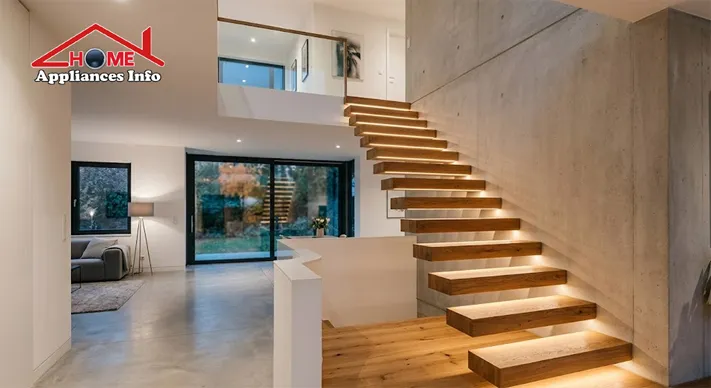
Wall sconces bring a decorative layer to stair lighting. They are ideal for homeowners who want the staircase to feel like part of the interior design story, not just a passageway.
A carefully chosen sconce can echo the style of the rest of the house. Matte black fits a contemporary home. Brass suits classic interiors. Ceramic or textured finishes add softness.
Why sconces remain relevant
Unlike hidden lighting, sconces are visible by design. They can frame a staircase, add personality, and spread light across the wall.
That makes them useful for:
- Hallway staircases
- Split-level homes
- Stairwells with high vertical walls
- Renovations where recessed wiring is harder
The trick is spacing and beam direction. Adjustable sconces can send light up, down, or both. Downward beams often improve visibility. Up-and-down beams add drama while still giving enough ambient light.
A practical note on glare
Choose fixtures with diffused or shielded light. Bare bulbs can cause glare on polished surfaces or glossy paint. That is especially important on stairs, where visual comfort affects safety.
Here is a quick comparison of common options:
| Stair Lighting Type | Best For | Main Benefit | Limitation |
|---|---|---|---|
| Recessed Step Lights | Modern indoor stairs | Clean look, low glare | Requires built-in installation |
| LED Strip Lights | Design-focused interiors | Dramatic effect, smart control | Needs careful concealment |
| Wall Sconces | Decorative stairwells | Adds style and ambient light | Can create shadows if poorly placed |
| Solar Step Lights | Outdoor stairs | No wiring, energy saving | Depends on sunlight exposure |
| Railing-Integrated Lights | Premium custom builds | Seamless illumination | Higher installation cost |
4. Solar Step Lights Make Outdoor Stairs Safer and Greener
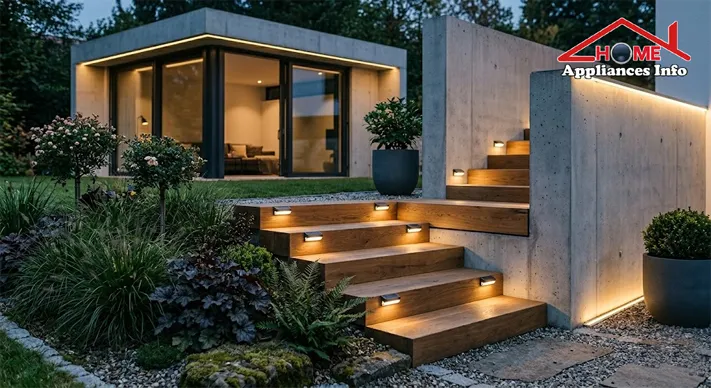
Outdoor stairs present a different challenge. Rain, dust, uneven terrain, and power access all shape the lighting choice. That is why the solar stair light has become so popular for decks, patios, garden paths, and entry steps.
These lights charge during the day and switch on automatically at dusk. They reduce wiring needs and help cut electricity costs.
Why solar is gaining ground
Sustainability is now a practical concern, not just a trend. More homeowners want solutions that reduce energy use without adding maintenance headaches. A solar stair light can meet that need, especially in sunny climates.
Its advantages include:
- No trenching or hardwiring
- Lower ongoing energy cost
- Quick DIY-friendly installation
- Strong fit for decks, fences, and stone steps
- Waterproof construction for year-round use
This is also where public safety and urban design intersect. Parks, heritage sites, and outdoor public stairways increasingly rely on low-energy lighting to improve accessibility and nighttime use.
What to look for before buying
Not all solar lights perform equally. Before choosing a model, consider:
- Sun exposure during the day
- Battery capacity
- Waterproof rating
- Material quality
- Light output level
A shaded stairway under trees may need higher-capacity batteries or a hybrid setup. A sunny deck, by contrast, is perfect for solar.
5. Smart Integrated Systems Offer the Best of Safety and Ambiance
The most advanced solution is an integrated lighting system. This approach combines LEDs, sensors, dimming, and automation into one coordinated setup. It is ideal for new builds, luxury renovations, and homeowners planning for long-term convenience.
This is where the modern Stair light becomes part of the wider smart home.
What smart stair lighting can do
A connected system can:
- Turn on when motion is detected
- Dim late at night
- Sync with Alexa or Google Home
- Adjust brightness by time of day
- Pair with security or hallway lighting
This is still a developing area in parts of South Asia, where smart home integration for staircases remains underused. That gap creates real opportunity for architects, designers, and installers who want to offer more complete solutions.
Why integrated systems feel more human
Good lighting responds to behavior. It does not ask people to search for switches in the dark. It supports routines quietly.
Imagine a parent carrying a sleeping child upstairs. Motion sensors activate a soft glow. The light is bright enough for safety, but gentle enough to protect the moment. That is where technology feels useful, not flashy.
How to Choose the Right Stair Lighting for Your Home
Before selecting fixtures, think beyond appearance. The right choice depends on how the staircase is used, who uses it, and where it is located.
Ask these simple questions
- Is the staircase indoors or outdoors?
- Do you need task lighting, mood lighting, or both?
- Will older adults or children use these stairs often?
- Is wiring available, or is solar more practical?
- Do you want automation or a basic setup?
A smart selection framework
Choose recessed or strip lighting if:
- You want a modern finish
- You are renovating or building new
- You prefer subtle, integrated light
Choose sconces if:
- You want visible decorative fixtures
- Your stairwell has enough wall space
- You are updating style without major construction
Choose solar if:
- The stairs are outdoors
- You want a low-energy solution
- Wiring would be expensive or disruptive
Choose smart integrated systems if:
- You already use smart home devices
- You want motion-based convenience
- You value long-term flexibility
For broader home safety guidance, the stair safety recommendations from trusted public health sources also reinforce the value of clear visibility and safe circulation.
Installation and Maintenance Tips That Matter
Even the best design can fail if installed poorly. Safety lighting should be reliable first and decorative second.
Keep these best practices in mind
- Light the edge of each step, not just the surrounding wall
- Avoid bright hotspots and harsh glare
- Use warm, consistent color temperature indoors
- Check waterproof ratings for outdoor products
- Test sensor range before final installation
Maintenance is usually simple. Clean lenses every few months. Check batteries in solar units. Replace failing drivers early in LED systems. Small steps preserve both brightness and safety.
FAQs About Stair Lighting
1. What is the best type of Stair light for indoor use?
Recessed LEDs and LED strips are often best indoors. They offer low energy use, clean design, and clear step visibility.
2. Are solar stair lights bright enough for safety?
Yes, many are. Choose models with strong battery capacity and proper lumen output. Performance depends on daily sunlight exposure.
3. How long does a led stair light last?
Most quality LED fixtures last many years. Many are rated for 25,000 to 50,000 hours, depending on use and build quality.
4. Can stair lights work with smart home systems?
Yes. Many modern systems support app control, schedules, and voice assistants like Alexa or Google Home.
5. Where should stair lights be installed?
Common positions include under treads, inside risers, along side walls, or integrated into railings. The goal is clear step visibility.
6. Are stair lights only for homes?
No. They are widely used in hotels, parks, apartment buildings, heritage sites, and commercial staircases for safety and design.
Final Thoughts
The best Stair light solutions do more than brighten steps. They reduce risk, shape atmosphere, and make everyday movement feel easier. Whether you choose a minimalist led stair light, a practical solar stair light, or a full smart system, the goal is the same: safer movement and better living.
In today’s homes, lighting should serve people quietly and beautifully. A staircase is often passed through many times a day. With the right plan, it can also become one of the most memorable spaces in the house.
If your stairs still depend on one overhead bulb, this may be the right time to rethink the experience. Start with safety. Add efficiency. Then choose the style that fits your home best.
References
- U.S. Department of Energy – LED Lighting: https://www.energy.gov/energysaver/led-lighting
- U.S. Department of Energy – Homeowner’s Guide to Going Solar: https://www.energy.gov/eere/solar/homeowners-guide-going-solar
- CDC/NIOSH – Fall Prevention and Safety: https://www.cdc.gov/niosh/topics/falls/default.html