


If you care about every corner of your bungalow garden, water can feel stressful. Too dry and plants suffer. Too wet and roots rot. A well‑chosen submersible water pump can turn that stress into calm control. 🌱
Many gardeners think pumps belong only in ponds or large estates. In reality, small pumps can transform compact bungalow spaces. They save time, reduce waste, and help keep plants consistently healthy.
In this guide, you will learn practical ways to put a pump to work. Each idea fits real life. Small yards. Limited storage. Busy schedules. Tight budgets.
You will also see how to avoid common mistakes. That way your garden stays safe, and your pump lasts longer. Let’s turn water from a worry into one of your easiest wins. 💧
1. Capture Free Rainwater with a submersible water pump 🌧️
Rain is gentle on plants and free from many tap water treatments. It is perfect for bungalow gardens. Yet much of it disappears down drains.
Here is where a submersible water pump shines. You can store rainwater in:
- A large barrel
- A slim wall tank
- A buried storage container
Then use the pump to move that stored water wherever you need it.
How this helps your garden
- Reduces your water bill
- Gives plants softer, less treated water
- Keeps you watering during light restrictions
A simple setup looks like this:
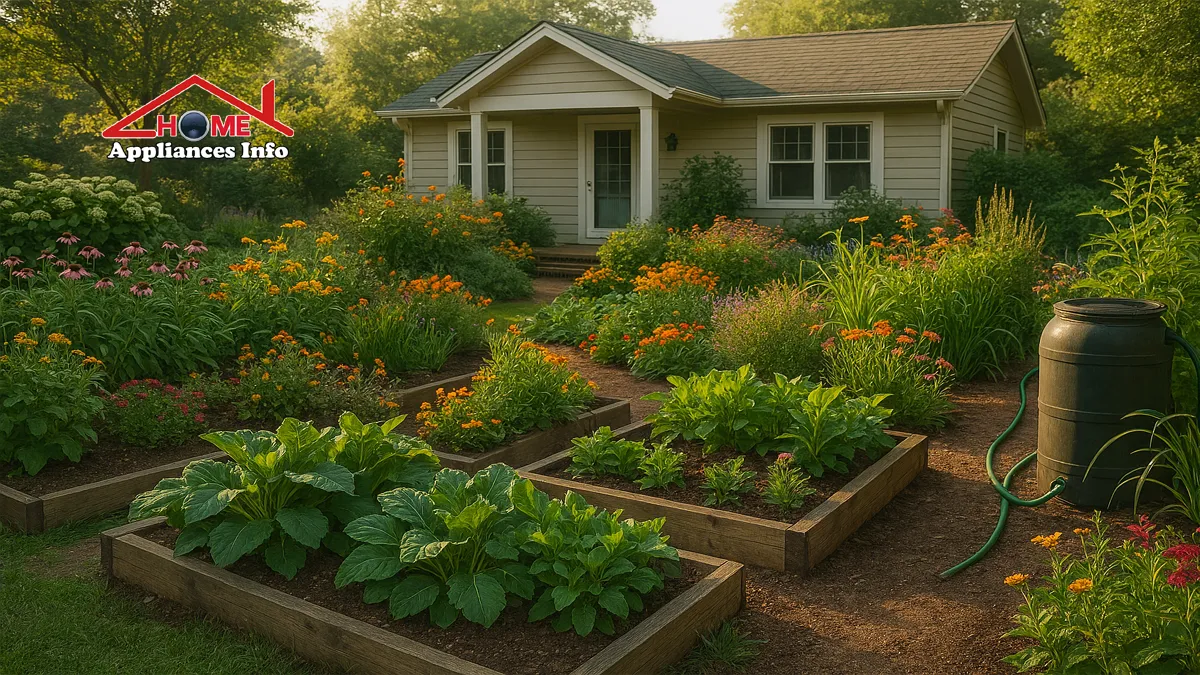
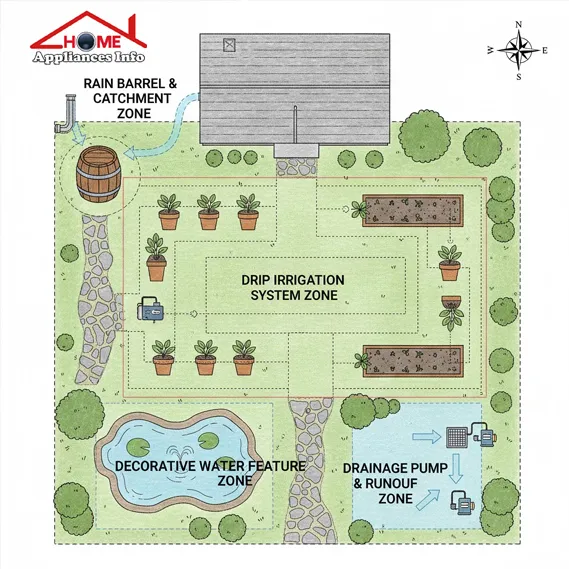
- Place a barrel under a downpipe.
- Fit a basic filter at the top.
- Drop the pump into the barrel.
- Attach a hose and plug into a safe socket.
Use a watering wand on the hose for gentle control. This works especially well for:
- Raised beds along a bungalow wall
- Container collections on patios
- Narrow side return gardens
For broader background on rainwater harvesting for gardens, see the Royal Horticultural Society’s advice at rainwater harvesting for gardens.
2. Create a Simple Drip System for Patio Pots 🪴
Containers dry out fast, especially near sunny bungalow walls. Daily watering soon feels like a chore.
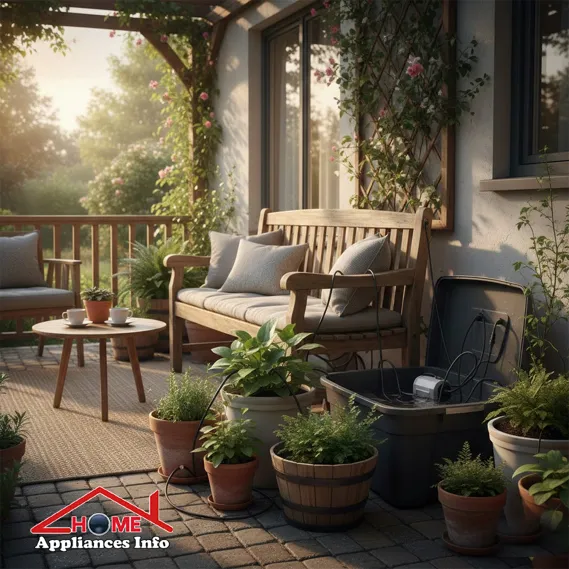
A small pump in a storage tub can feed a simple drip layout. You do not need a complex system.
Basic idea
- Use a sturdy plastic tub with a lid.
- Place the pump inside.
- Run small tubing from the pump to each pot.
- Add tiny drip emitters or open ends into each container.
Set a cheap plug‑in timer for early morning watering. The pump runs briefly, then stops. You wake to evenly moist soil, not wilted plants.
Why it works so well
- Containers receive consistent moisture.
- You avoid overwatering with heavy cans.
- Holidays feel less stressful.
This approach suits:
- Balcony rail planters
- Window boxes facing the street
- Herb pots near the kitchen door
You can adjust run time gently. Start short. Check soil. Adjust by a few minutes only. That keeps plants happy without waste.
3. Level Out Watering in Uneven Bungalow Gardens
Many bungalow plots slope slightly. Lower beds receive more water. Upper spots stay dry and stressed.
A hidden submersible water pump can balance this. It can lift stored water to higher beds without effort from you.
Example layout
- Keep a storage barrel at the lowest point.
- Collect runoff or rain there.
- Place the pump inside the barrel.
- Run one hose up to high beds or planters.
Add a simple splitter if needed. This lets you water:
- A front border by the porch
- A higher raised bed near a fence
Benefits for sloped gardens
- Reduces dry patches at the top.
- Prevents soggy zones at the bottom.
- Uses gravity and pumping together smartly.
If you already use watering cans, keep them. Use the pump on busy days. Use cans for spot checks and new plantings. You gain choice, not a strict system.
4. Turn a Corner Bed into a Calm Water Feature 💦
Bungalow gardens often have an odd corner. Too small for seating. Too shaded for vegetables. A tiny water feature can rescue this area.
A small pump can:
- Circulate water in a half barrel
- Feed a gentle spout or small fountain
- Run a mini waterfall against a wall
You do not need a deep pond. Even a large glazed pot can hold water and a simple spillway.
Why a water feature helps
- Creates soothing sound that masks street noise.
- Attracts birds and useful insects.
- Adds movement to a static planting scheme.
Practical tips:
- Use a pump rated for continuous use.
- Clean the filter regularly.
- Keep cables protected and out of walking routes.
Pair the water with ferns, hostas, or shade‑tolerant grasses. This suits tight side gardens beside a bungalow. That space becomes a quiet retreat rather than a dead zone. 🌿
For extra guidance on planning efficient garden irrigation systems, the Colorado State University Extension offers clear advice at efficient garden irrigation systems.
5. Reuse Water from Kid Pools and Garden Tubs
Small inflatable pools, paddling tubs, or wash buckets hold many liters of water. Draining them straight into a sewer wastes that resource.
Instead, use a compact submersible water pump to move this water to:
- Lawns
- Flower borders
- Large shrubs
How to do this safely
- Avoid reused water on edible crops.
- Skip this method if strong soaps or chemicals were used.
- Prefer ornamentals and turf areas.
Simple steps:
- Drop the pump into the pool.
- Attach a hose to reach distant beds.
- Move the hose often to avoid puddles.
This trick helps during dry spells. You reduce guilt about filling small pools for children or pets. The water gets a second life.
It also saves your back. You move large volumes without lifting heavy buckets. That matters if joint pain or mobility issues affect your gardening. 💛
6. Protect Roots from Rot in Flood‑Prone Spots
Some bungalow gardens sit on heavier soil. After storms, certain areas may stay waterlogged. Roots can suffocate if puddles linger.
A pump in a small sump pit can help. Think of it as the opposite of irrigation. You remove excess water rather than add it.
Setting up a simple sump
- Dig a small pit in the lowest area.
- Place a perforated bucket or crate in the hole.
- Line it with a fine mesh to block soil.
- Drop a small pump into this chamber.
When heavy rain arrives, water gathers in the pit. The pump moves it to a drain, a storage tank, or a gravel soakaway.
Why it matters
- Keeps roots healthier in wet winters.
- Protects established shrubs and small trees.
- Makes boggy corners more usable for planting.
You can then choose plants better suited to moist but not flooded soil. Think dogwoods, certain willows, or moisture‑tolerant perennials.
7. Make Maintenance Easier with Smart Habits 🔧
A pump that fails mid‑summer can undo careful planning. Gentle, regular care keeps your garden pump reliable.
Simple maintenance habits
- Check the cable and plug monthly.
- Clean the filter whenever water seems weaker.
- Remove leaves and silt from storage barrels.
- Lift the unit out before hard frost if needed.
Store a small spare pump if your budget allows. It does not need to be fancy. Having a backup protects key systems like drip lines.
Signs your pump needs attention
- Reduced flow from the hose or outlets
- Strange noises or rattling
- Tripped outdoor sockets
Deal with changes early. This prevents full failure during a heatwave. Your plants rely on steady watering more than dramatic bursts.
Quick Comparison: Common Uses for a Garden Pump
Below is a quick reference to match your garden problem with a helpful pump trick.
| Garden Challenge | Pump Trick That Helps | Best Area in a Bungalow Garden |
|---|---|---|
| High water bills | Rainwater collection and reuse | Near downpipes and patios |
| Dry containers | Simple drip system from a storage tub | Patios, balconies, front steps |
| Uneven moisture on slopes | Lifting water to higher beds | Sloping front or back gardens |
| Noisy or dull corner | Compact water feature | Side gardens, shaded corners, near seating |
| Waste from paddling pools | Reusing grey water on ornamentals | Lawns, shrub borders |
| Persistent puddles after rain | Sump pit with pump for drainage | Lowest lawn or path areas |
FAQs About Using a submersible water pump in Bungalow Gardens
1. Is a submersible pump safe to use in a small garden?
Yes, when installed correctly.
Use outdoor‑rated sockets, residual current protection, and weather‑proof connections.
Keep cables tidy and out of traffic routes.
2. Can I use collected rainwater on all my plants?
Rainwater suits most ornamental and edible plants.
Avoid roof runoff if you suspect heavy contamination.
If unsure, start with ornamentals and observe plant response.
3. How big should my pump be for a bungalow garden?
Most small gardens need only a modest unit.
Check the pump’s flow rate and maximum lift height.
Match those with your hose length and any slope.
4. Do pumps cost a lot to run?
Small garden pumps use modest electricity.
Short, timed sessions reduce costs further.
Using stored rainwater also cuts your mains water bill.
5. Can I install a pump system myself?
Many simple setups are DIY‑friendly.
Follow the manufacturer’s safety guidance carefully.
For complex electrics or buried cables, hire a professional.
6. Will a pump disturb wildlife in my garden?
Gentle water circulation often helps wildlife.
Moving water attracts birds and beneficial insects.
Avoid strong suction zones in wildlife ponds, and add escape routes.
Conclusion: Let a submersible water pump Do the Heavy Lifting 🌿
Watering a bungalow garden does not need to be exhausting or uncertain. With a thoughtfully used submersible water pump, you can:
- Capture and reuse gentle rain
- Support even watering on slopes and patios
- Add calming movement with compact features
- Protect roots in wet spots and reuse waste water
Start with one simple trick from this guide. Maybe a rain barrel with a pump. Maybe a basic drip setup for your busiest containers.
As you gain confidence, you can build a system that suits your space and lifestyle. Your plants gain steadier care. Your body does less heavy lifting.
Let water work for you, not against you. Your bungalow garden can stay thriving, welcoming, and restful through every season. 🌼