



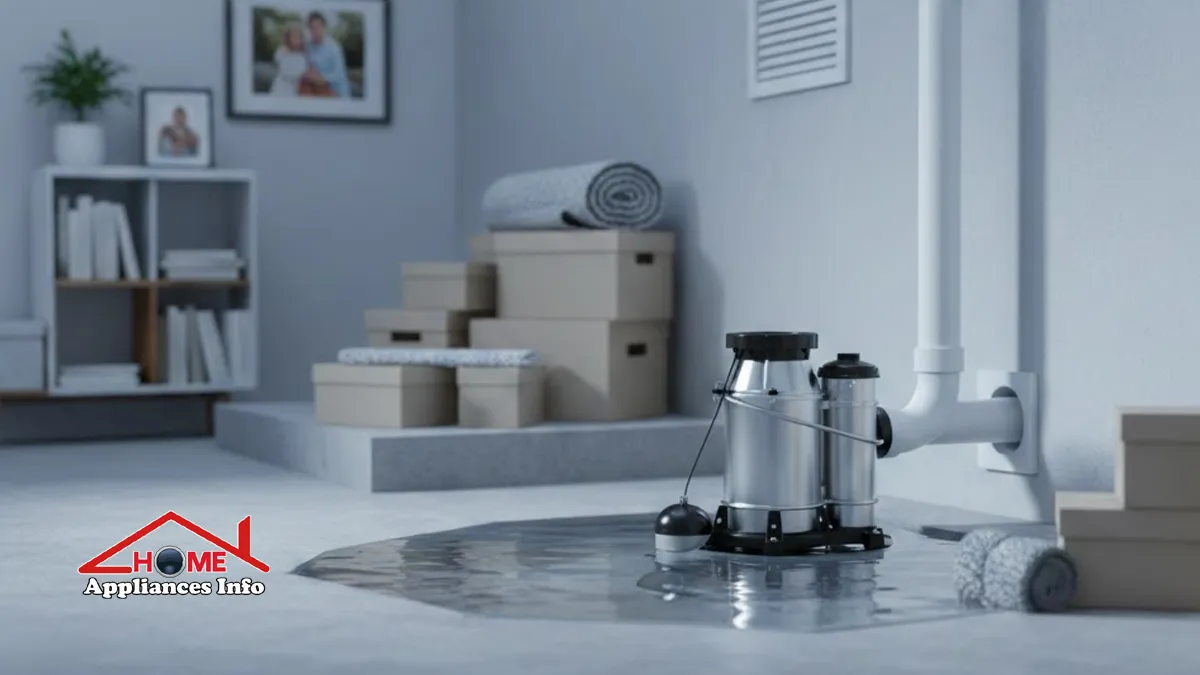
If you have ever wondered what is a sump pump and whether you really need one, you are not alone. Many homeowners only think about basement water control after a heavy storm, a burst pipe, or a frightening near-flood.
Water intrusion is more than a nuisance. It can threaten:
- The stability of your home’s structure
- Your family’s respiratory health
- Electrical and fire safety
- Emotional well‑being and financial security
A basement or crawlspace that often feels “damp but manageable” can still hide significant health hazards. This article guides you through seven ultimate reasons this type of pump system is crucial for home safety and long‑term health.
You will also learn when to consider sump pump installation, backup solutions, and replacement, so you can protect your home before the next storm arrives.
1. It Prevents Basement Flooding That Damages Health and Home
When heavy rain hits, rising groundwater can push against your foundation. Without a reliable drainage pump, that water has only one place to go: inside.
Even a few inches of water can cause:
- Ruined floors, furniture, and personal items
- Swollen doors and warped framing
- Damaged insulation that holds moisture for months
- Increased humidity that spreads throughout the house
From a health perspective, standing water creates serious risks:
- Bacteria and viruses from soil or sewage backup
- Rapid mold growth on walls, carpets, and stored items
- Slip‑and‑fall injuries, especially for children or older adults
- Contaminated air that circulates to bedrooms and living spaces
A well‑installed pump system collects rising water in a pit and moves it safely away from the foundation. That single process cuts the chance of indoor flooding dramatically.
Real‑life example
Imagine a spring storm that drops several inches of rain overnight 🌧️. One family with a working drainage pump wakes up to a dry basement and normal morning routines. Another family, without one, steps into ankle‑deep water, must unplug appliances, and spends days drying out soaked belongings while worrying about mold.
The difference is not luck. It is planning.
2. It Helps Stop Mold, Allergies, and Breathing Problems 😷
Moisture is the fuel mold needs. Even if your basement never “floods,” chronic dampness creates ideal growth conditions.
Health experts link indoor mold to:
- Worsening asthma and wheezing
- Chronic cough and sinus problems
- Eye, skin, and throat irritation
- Increased respiratory infections in vulnerable people
A drainage pump supports a dry environment by:
- Lowering the amount of groundwater that enters the building
- Reducing humidity, especially when used with a dehumidifier
- Keeping stored items, drywall, and wood framing dry enough to resist growth
Signs your basement may be harming your lungs
You may need better water control if you notice:
- A musty or earthy smell that never fully disappears
- Black, green, or white spots on walls or stored boxes
- Family members whose allergies flare when they are home
- Condensation on basement windows or pipes
By keeping water moving out rather than in, your pump system becomes a quiet partner in long‑term respiratory health.
3. Safe Sump Pump Installation Reduces Electrical and Fire Hazards ⚡
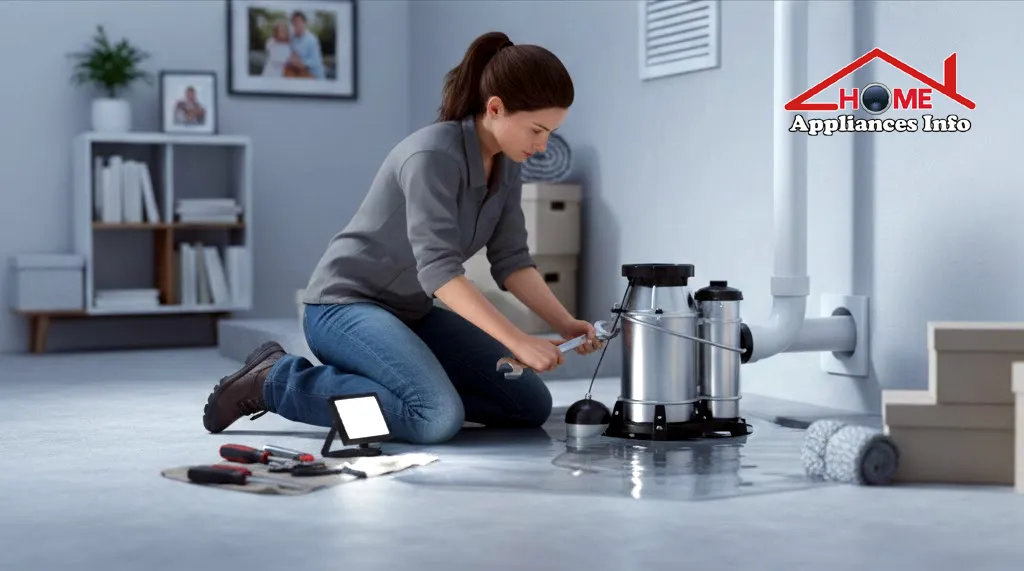
Water and electricity are a dangerous mix. When a basement takes on water, outlets, extension cords, and appliances can become shock or fire hazards.
Thoughtful sump pump installation done by a qualified professional helps prevent:
- Extension cords running across damp floors
- Overloaded circuits during storms
- Pumps plugged into non‑GFCI outlets near wet areas
- Unsafe DIY wiring that can overheat or spark
A licensed installer will usually:
- Place the pit at the lowest point of the floor
- Ensure the circuit can safely handle the pump load
- Use a GFCI outlet or dedicated circuit when appropriate
- Route discharge lines away from foundation walls and walkways
Health and safety benefits
A safer electrical setup reduces chances of:
- Electric shock if someone enters a wet basement
- Hidden wiring damage that could later cause a fire
- Sudden pump failure during a storm due to poor connections
If you are unsure how your current system is wired, consider an inspection along with routine sump pump repair or maintenance. That visit costs far less than a hospital trip or house fire.
4. It Protects Foundations and Prevents Structural Failures 🧱
Water does not only rest on the basement floor. It also presses against the concrete or block walls that hold up your house. Over time, that pressure can:
- Crack foundation walls
- Push walls inward
- Move or tilt structural supports
- Allow water to enter through tiny gaps
These changes may seem slow, but they can lead to:
- Uneven floors
- Doors and windows that stick
- Gaps where pests and moisture enter
- In severe cases, partial structural failure
Structural damage has clear health and safety consequences:
- Falling debris from crumbling walls or ceilings
- Trip hazards from uneven floors
- Increased air leaks that pull in allergens and pollution
By removing water from around the foundation, a basement pump lowers hydrostatic pressure. That means less stress on walls and less risk of sudden, expensive, and dangerous failures.
5. It Keeps Sewage and Contaminated Water Out of Living Areas 🚫💩
In some homes, especially those with bathrooms or laundry areas below street level, drainage problems are tied to sewer systems. During heavy rain, municipal lines can become overwhelmed. That can push contaminated water back toward your house.
Without effective pumping and drainage, you may face:
- Sewage backing up through floor drains
- Toilets and tubs spilling dirty water
- Contaminated laundry areas and storage rooms
This type of water is not just unpleasant. It can carry:
- E. coli and other harmful bacteria
- Viruses and parasites
- Chemical contaminants washed into storm systems
Exposure to sewage increases risks of:
- Gastrointestinal illness
- Skin and eye irritation
- Infections, especially for children or people with weak immunity
A properly designed system, sometimes combined with a separate sewage‑ejector pump, helps move contaminated water away quickly. That reduces exposure and makes cleanup safer if an incident occurs.
6. Backup Systems Keep You Safe During Power Outages 🌩️
Many storms that cause flooding also knock out power. That is exactly when you need your drainage system the most.
A sump pump battery backup acts as a second line of defense. When the main pump fails or the electricity goes out, the backup unit activates automatically.
Why a backup protects health and safety
- Prevents sudden basement flooding while your family sleeps
- Protects medications, medical equipment, or mobility devices stored downstairs
- Reduces the chance you must enter deep water in the dark
- Lowers stress during emergencies, especially for children and older relatives
Battery backup systems vary in capacity. A professional can size the system based on your basement size, water table, and typical storms. Regular testing is essential, just as with smoke alarms or carbon monoxide detectors.
Example
A summer thunderstorm cuts power across the neighborhood. Without a backup, water quickly rises in the basement, threatening the furnace and electrical panel. With a backup system, water continues to move away from the house for hours, buying you time until the power grid recovers.
7. Quality Equipment and Timely Sump Pump Replacement Support Long‑Term Health
Not all pump systems are created equal. Cheaper units may fail more often or lack durable components. Higher quality options, such as a zoeller sump pump, are known for robust construction and reliability.
Whatever brand you choose, your long‑term safety depends on:
- Correct sizing and installation
- Regular testing and cleaning
- Timely sump pump replacement before sudden failure
How aging equipment becomes a health risk
Over time, components can:
- Corrode due to minerals in water
- Clog with sediment, pet hair, or debris
- Lose motor strength and pump less water per minute
- Fail without warning during a storm
When that happens, your home is suddenly vulnerable to:
- Rapid flooding
- Mold growth in previously dry areas
- Electrical hazards from submerged appliances
- Spoiled food if a basement freezer loses power or airflow
Most pumps last around 7–10 years, depending on use and water conditions. If your unit is older, has started making new noises, or struggles to switch on, ask a professional about replacement.
Planned upgrades are far safer than emergency purchases made during a storm.
At‑a‑Glance: Health Risks With and Without a Working Pump
| Situation | Without Effective Pump System | With Well‑Maintained System | Key Health Impact |
|---|---|---|---|
| Heavy rainfall | Basement flooding, soaked belongings, standing water | Water diverted away from foundation and floor | Lower risk of injury and contamination |
| Chronic dampness | Persistent mold and musty odors | Dryer air, easier dehumidifier control | Fewer allergy and asthma triggers |
| Electrical equipment in basement | Higher chance of shock or fire in wet conditions | Safer wiring and drier environment | Reduced electrical injury risk |
| Sewage or drain backup | Contaminated water in living areas | Faster drainage and less backflow risk | Lower infection and illness risk |
| Power outage during a storm | No drainage when water levels rise | Battery backup continues to remove water | Protected living space and stored items |
| Aging or poorly maintained equipment | Sudden failure at critical moment | Predictable performance and scheduled replacement | Less stress and emergency disruption |
When to Consider Sump Pump Repair or Maintenance 🛠️
Even the best systems need routine care. Regular sump pump repair and maintenance keep your home protected.
Warning signs your system needs attention
Call a professional if you notice:
- Loud grinding or rattling noises
- Frequent cycling on and off, even when dry
- The pump running but water not moving out
- A musty smell returning after heavy rain
- Visible rust, cracked hoses, or damaged cords
Simple homeowner checks
You can safely:
- Look inside the pit for debris and remove small obstructions
- Test the float by lifting it gently to see if the motor starts
- Confirm the discharge line is not blocked or frozen
- Inspect the backup battery indicator lights
Avoid opening electrical panels or rewiring outlets yourself. Those tasks belong to a licensed electrician or pump technician. Your health and safety come first.
How a Dry Basement Supports Overall Family Wellness 🌿
A dependable basement drainage system does more than keep your feet dry. It contributes to a healthier daily environment.
Physical health
- Less mold means easier breathing for asthma and allergy sufferers.
- Lower humidity reduces dust mites and musty odors.
- Fewer pests, such as silverfish and cockroaches, which thrive in damp spaces.
Mental and emotional health
- Less fear each time a heavy storm appears in the forecast.
- Fewer disruptions from emergency cleanups and repairs.
- Greater confidence inviting friends or relatives to use basement rooms.
Financial and practical health
- Reduced risk of large insurance claims and premium increases.
- Protection for stored medical equipment, records, and supplies.
- More usable space for exercise equipment, air purifiers, or a playroom.
When your lower level stays dry, the entire house benefits. Air flows upward, not just sideways. Protecting the lowest point of the home supports the health of everyone living above.
Frequently Asked Questions (FAQs)
1. Do all homes need a basement pump system?
Not every home needs one. Houses on high, well‑drained soil may stay dry without it. However, homes with basements, crawlspaces, or a history of dampness, flooding, or nearby high water tables are strong candidates. A local contractor can assess your risk.
2. How often should I test my system?
Test it at least every three months, and before seasons with heavy rain or snowmelt. Pour water into the pit until the float rises. The pump should start quickly, remove the water, and shut off again without strange noises.
3. What maintenance should professionals handle?
Professionals should inspect wiring, check the dedicated circuit, and examine the pit and discharge line. They can clean or replace clogged parts, test backup systems, and confirm that check valves and floats work correctly. This is often done during annual service visits.
4. How do I know when to replace my pump?
Consider replacement if your unit is over 7–10 years old, runs constantly, makes new noises, or fails tests. If you have frequent storms or high groundwater, replacing earlier may be wise to avoid surprise failures.
5. Is a battery backup really necessary?
If you live in an area with strong storms or frequent outages, a backup is highly recommended. Water often rises fastest when the grid is under stress. A backup system provides protection at the exact moment risk is highest.
6. Can I install a system myself to save money?
Some experienced homeowners manage simple installations. However, mistakes in pit placement, electrical wiring, or discharge routing can create safety hazards and flooding. For most people, professional installation offers better long‑term protection and peace of mind.
Conclusion: Make Water Management a Key Part of Home Health 🛡️
A dry, stable, and safe home is a major foundation for overall well‑being. From preventing mold to reducing electrical and sewage risks, a basement drainage pump quietly guards your family in many ways.
Thoughtful sump pump installation, regular testing, and preventive sump pump replacement turn a simple device into a reliable health ally. When you invest in quality equipment, backup power, and timely maintenance, you reduce the chance of emergencies that disrupt sleep, strain finances, and threaten health.
If your basement has ever felt damp, musty, or unsafe during storms, now is the time to act. Speak with a trusted local professional, review your current system, and create a plan that keeps your home dry, healthy, and ready for whatever the weather brings. 🌧️🏠💚
For further reading, consider exploring resources on indoor air quality, basement allergy triggers, and emergency preparedness plans, and integrate them into your family’s long‑term health strategy.

5 Comments
Pingback: Sump Pump Guide: Everything You Need to Know to Keep Your Basement Dry – studro
Pingback: Sump Pumps: How to Protect Your Home from Basement Flooding – edexo
Pingback: Sump Pump Guide: Everything You Need to Know to Protect Your Home – knoly
Pingback: Sump Pumps: The Essential Guide to Protecting Your Home from Water Damage – tutoz
Pingback: Garage Door Insulation: 6 Best Solutions That Save You Money Fast