




Staying comfortable at home affects your energy, mood, and overall health. When the temperature rises or the air feels heavy, a Table Fan can become a simple, reliable tool for preserving your well‑being. 🌀
Many people see a small fan as just a way to feel cooler. In reality, it can support sleep, breathing, mental health, and even safety during hot weather. The key is using it thoughtfully and consistently.
This guide explores five amazing, science‑backed benefits of using a table or desk fan at home. You will also find practical tips, real‑life examples, and quick answers to common questions.
1. Stay cool and protect your body from heat 🌡️
High temperatures do more than cause discomfort. They can strain your heart, dehydrate you, and increase the risk of heat-related illness.
Extreme heat is especially risky for:
- Older adults
- Pregnant people
- Babies and young children
- People with heart or lung conditions
- Individuals taking certain medications
A Table Fan helps your body cool itself more efficiently. It does this by increasing air movement over your skin. This speeds up sweat evaporation, which is your body’s natural cooling system.
According to public health guidance, heat-related illness can worsen quickly without cooling and hydration. A fan is not a replacement for cooling centers or medical care. However, it is a valuable first line of defense in many homes.
How this helps your health
- Reduces the feeling of oppressive heat
- Lowers strain on your cardiovascular system
- Helps you feel more comfortable during heat waves
- Encourages you to stay indoors and rest when needed
Real‑life example:
If you live in a top‑floor apartment, late afternoon heat can feel overwhelming. Placing a fan on your desk or bedside table can help you manage that heat. You stay safer while avoiding constant temperature swings from air conditioning.
When a fan is especially helpful
- During mild to moderate heat, especially with some airflow
- In rooms without ceiling fans
- When you cannot or prefer not to use air conditioning all day
During extreme heat, combine your fan with:
- Plenty of cool fluids
- Light clothing
- Closing blinds during the hottest hours
- Cool showers or damp cloths on the skin
If anyone shows confusion, dizziness, or stops sweating, seek medical help immediately. A fan alone is not enough in a true emergency.
2. Improve sleep quality and bedtime comfort 😴
Restful sleep is vital for immune health, mood balance, and hormone regulation. Yet many people struggle to sleep when a room is hot, humid, or stuffy.
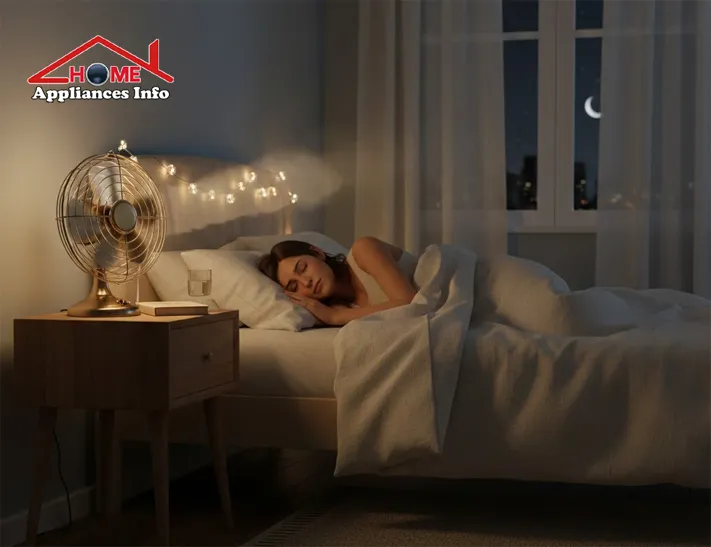
Placing a Table Fan near your bed can make a big difference. Gentle air movement helps your body stay within a comfortable temperature range at night. This supports deeper, more continuous sleep.
A healthy sleep environment matters. Research on the bedroom environment shows that cooler, well‑ventilated rooms are linked with better rest and performance the next day. You can learn more about building a supportive sleep environment from trusted sleep health resources.
How a fan supports healthier sleep
- Keeps your body from overheating in the night
- Reduces night sweats and sticky skin
- Promotes steady airflow, which many people find soothing
- Produces white noise that can mask sudden sounds
That gentle humming sound can block traffic, hallway noise, or neighbors’ voices. This is especially helpful if you live in an apartment or shared home.
Simple bedtime setup
- Place the fan several feet from your bed, not directly in your face
- Angle it so air circulates around the room
- Use a low or medium setting to avoid dry eyes or throat
- Combine it with light, breathable bedding
Real‑life example:
Someone who wakes up many times at night from feeling hot might notice fewer awakenings after adding a small desk fan by the bed. Over days and weeks, that better sleep supports mood, focus, and resilience. 🌙
3. Support easier breathing and fresher indoor air 🌬️
Indoor air can become surprisingly stale. Cooking, cleaning products, pet dander, and dust all collect in closed spaces. Poor air circulation may trigger headaches, fatigue, or throat irritation in some people.
When a Table Fan moves air through the room, it can support fresher breathing conditions. It does not clean the air like a purifier. However, it helps prevent air from sitting still in one place.
Health-related benefits of better circulation
- Less feeling of heaviness or stuffiness in the room
- Less buildup of lingering odors
- Some relief from mild humidity and dampness
- More comfort for people sensitive to stagnant air
If you open a safe window and use a fan to push air across the room, you support natural ventilation. This can help reduce the concentration of indoor pollutants over time.
Important note for allergy and asthma
A fan can sometimes stir up dust. For people with allergies or asthma, this can be irritating.
To reduce this problem:
- Dust and wipe the fan blades regularly
- Vacuum or mop floors before running the fan on high
- Consider pairing the fan with an air purifier in the same room
Table: How airflow supports everyday comfort
| Benefit | How air movement helps your health | Best times to use it |
|---|---|---|
| Less stuffiness | Reduces the sensation of heavy, stagnant air | After cooking or showering |
| Better odor control | Moves odors away and supports ventilation | When cooking aromatic foods |
| Humidity relief | Encourages evaporation from skin and surfaces | On warm, damp days |
| Mental freshness | Many people feel more alert with light air movement | While working or studying at a desk |
| Comfort during light exercise | Keeps body temperature manageable indoors | Home workouts or stretching sessions |
Real‑life example:
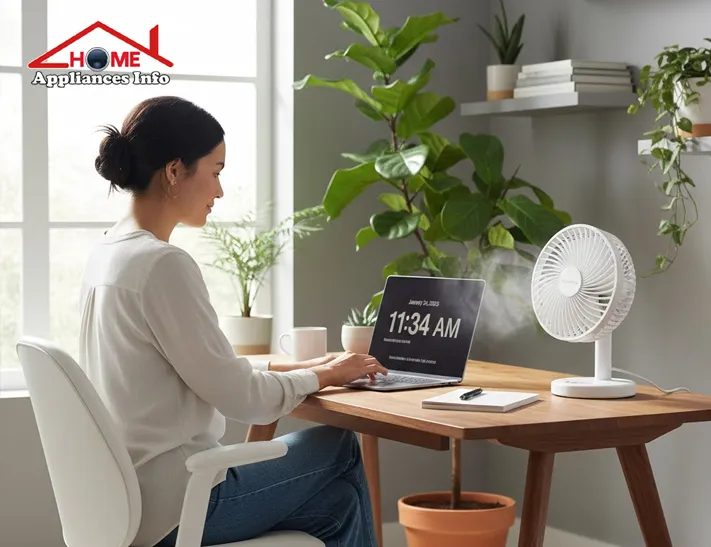
If your home office feels “stuffy” by afternoon, a small desk fan aimed across the room, not directly at you, can help your mind feel clearer and reduce that heavy, sleepy feeling.
4. Lower cooling stress and support mental well‑being 💆♀️
Feeling too hot for long periods can increase irritability, restlessness, and fatigue. It can also raise stress about energy bills if you rely only on air conditioning.
A compact desk fan or personal fan lets you cool one person or one area. You can avoid over‑cooling the entire home. This can reduce financial worry, especially during long summers. Less worry supports mental health.
Emotional and mental health benefits
- You feel more in control of your comfort
- You can adjust airflow quickly without changing the whole home temperature
- Cooler conditions can improve patience and concentration
- You may feel calmer when your physical discomfort drops
Think about working at a home office desk. If you feel hot and sticky, focusing is harder. A small fan aimed at your torso, not your eyes, can lower discomfort. Your brain can then focus on tasks rather than the heat.
Pairing a fan with other calming habits
To support mental well‑being, use your fan along with:
- Short movement breaks
- Regular hydration
- Mindful breathing or short relaxation exercises
- Light, breathable clothing at home
Real‑life example:
Someone working from home in a warm climate may feel anxious when the air conditioner runs all day. Using a fan for targeted cooling allows higher thermostat settings without losing comfort. That balance can ease both physical and financial stress. 😊
5. Flexible comfort for every room and family member 🏡
One of the biggest strengths of a Table Fan is flexibility. You can move it from room to room within seconds. This makes it easier to protect different family members according to their needs.
How flexibility supports health
- You can cool a child’s play area during the hottest hours
- You can provide gentle airflow for an older adult without over‑cooling others
- You can support a recovering family member who needs a comfortable rest space
For example, someone with a mild fever might feel hot and clammy. A light breeze (not directly in their face) can help them rest more comfortably while they recover.
Practical uses around the home
- In the kitchen, to make cooking more tolerable
- In the living room, to support family movie nights during summer
- In the bedroom, for naps or nighttime sleep
- In a small workout corner, to prevent overheating during light exercise
Because these fans are usually lightweight, you can place them exactly where you need cooling the most. You can also adjust the angle and speed for each person.
How to use your table fan safely and effectively 🔧
Health benefits matter most when you use any appliance safely. Here are key tips for safe use.
Positioning and distance
- Keep your Table Fan on a stable, flat surface
- Place it out of reach of small children and pets
- Avoid pointing it directly at your face for long periods
- Aim it slightly above or beside you for gentle, indirect airflow
Cleaning and maintenance
Dusty blades not only look unpleasant. They can also blow particles into the air.
- Unplug the fan before cleaning
- Wipe blades and grills with a damp cloth regularly
- Let all parts dry completely before turning it back on
Regular cleaning also helps the motor work more efficiently and quietly.
Special care for sensitive individuals
- People with dry eyes may need the fan angled away from their face
- Those with allergies should combine fans with regular cleaning routines
- For very young children, keep fans at a distance and out of reach
If you share your home with someone managing breathing issues, ask their clinician whether fans are appropriate in their specific case.
FAQs about using a table fan at home ❓
1. Is using a table fan safe for my health?
For most people, yes. A table or desk fan is safe when used correctly and kept clean. Avoid direct, strong airflow on your face for long hours. People with certain respiratory or eye conditions should check with a healthcare professional.
2. Can a fan replace air conditioning during heat waves?
Not always. Fans help your body cool by moving air over your skin. During extreme heat or high humidity, they might not be enough alone. Combine them with other cooling methods and follow public health advice during severe heat events.
3. Are table fans bad for allergies or asthma?
They can stir up dust if surfaces are not clean. For allergy or asthma sufferers, keep the room and fan very clean. Consider using an air purifier as well. If symptoms worsen, reduce fan use and consult a healthcare provider.
4. Is it okay to sleep with a fan on all night?
Many people safely sleep with a fan on throughout the night. If you notice dry eyes, dry throat, or sinus irritation, angle the fan away slightly. You can also use a lower speed setting or a timer if your model includes one.
5. How close should I sit or sleep near a fan?
Keep some distance between your body and the fan. A few feet away usually provides comfort without excessive dryness. Indirect airflow, bouncing off a wall or ceiling, often feels more natural and gentle.
6. Do table fans cool the air temperature?
Fans do not lower the actual air temperature. Instead, they help your body feel cooler by increasing evaporation from your skin. That is why a room can feel more comfortable, even though the thermometer does not change.

Conclusion: A small step toward a healthier home
Comfort at home is not just a luxury. It is a foundation for physical health, emotional balance, and daily functioning. Using a Table Fan thoughtfully can support that foundation in simple, practical ways.
You have seen how a compact fan can:
- Protect you from heat stress
- Improve sleep quality and nighttime comfort
- Support easier breathing and fresher indoor air
- Ease cooling‑related stress and support mental well‑being
- Offer flexible comfort for every room and family member
Choosing a Table Fan that fits your space, then placing and cleaning it well, can turn it into a quiet partner in your daily health routine.
Consider where you struggle most with heat or stuffiness at home. Start by placing a fan in that one spot. Small adjustments, repeated day after day, can create a calmer, cooler, and healthier living space for you and your family. 🌿


1 Comment
Pingback: Smart Floor Fan: 8 Smart Advantages That Make Life Easier