



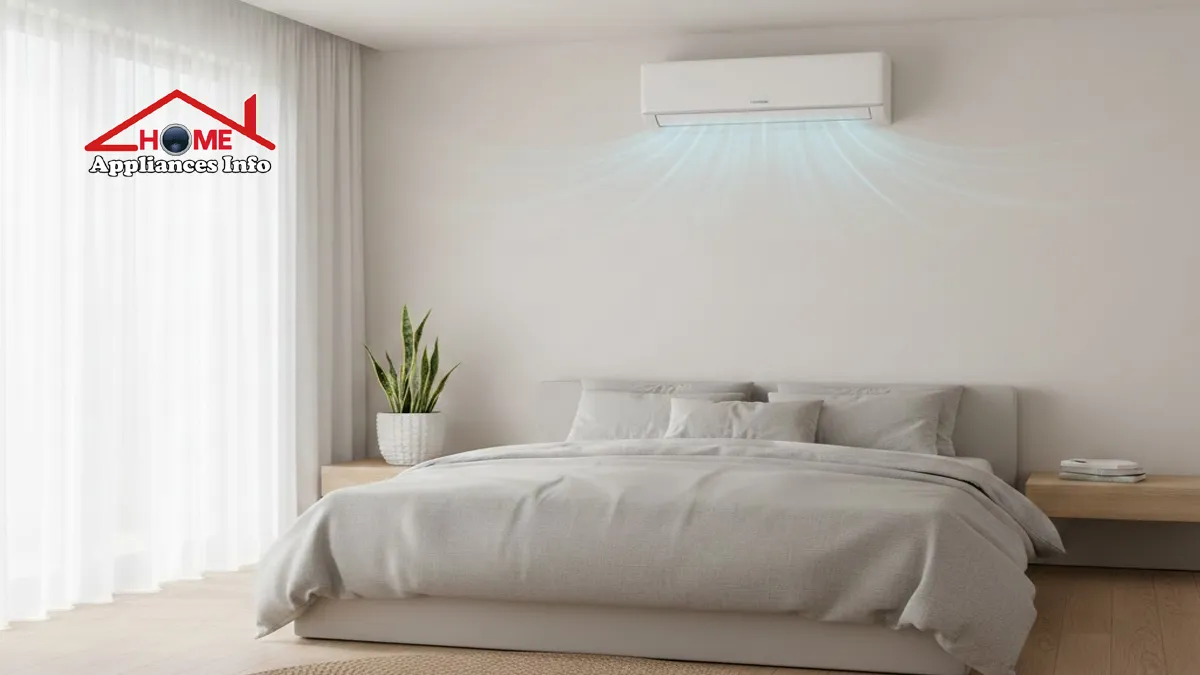
Staying cool should not come at the cost of your health. If you live in an apartment, an older home, or a space where you cannot install an outdoor condenser, a wall mounted air conditioner can feel like a lifesaver. These compact systems mount neatly on an interior wall and vent through small openings, helping you stay comfortable without a bulky outdoor box. 🌬️
Many people choose these units for convenience. Yet the real impact goes deeper. Temperature, air quality, and humidity all strongly influence your sleep, breathing, mood, and even heart health. Choosing the right system is not just about comfort. It is about long‑term wellbeing.
This guide walks you through:
- Why a wall mounted air conditioner without outdoor unit can support your health
- Five carefully selected types of wall units and who they suit best
- How to choose the best wall mounted air conditioner heater combo for year‑round comfort
- Safety and maintenance habits that protect your lungs, skin, and heart
Let’s explore how to cool your space while taking gentle care of your body and mind. 💙
Why a wall mounted air conditioner without outdoor unit matters for your health
Most people think of air conditioning as a luxury. In reality, healthy cooling is basic prevention.
Heat stress and chronic conditions
High indoor temperatures strain your heart and blood vessels. They can worsen:
- High blood pressure
- Heart disease
- Kidney disease
- Respiratory conditions like COPD and asthma
According to the CDC, unmanaged heat can trigger heat-related illness even in otherwise healthy adults. Children, older adults, and pregnant people are at higher risk.
A well‑chosen wall unit helps:
- Keep indoor temperatures in a safer range
- Limit rapid temperature swings
- Reduce nighttime overheating that strains the heart
Sleep quality and mental health 😴
Sleeping in a hot, humid bedroom makes deep sleep hard. You may toss, sweat, and wake often. Lack of quality sleep can:
- Increase anxiety and irritability
- Disrupt hormones regulating appetite
- Reduce focus, memory, and reaction time
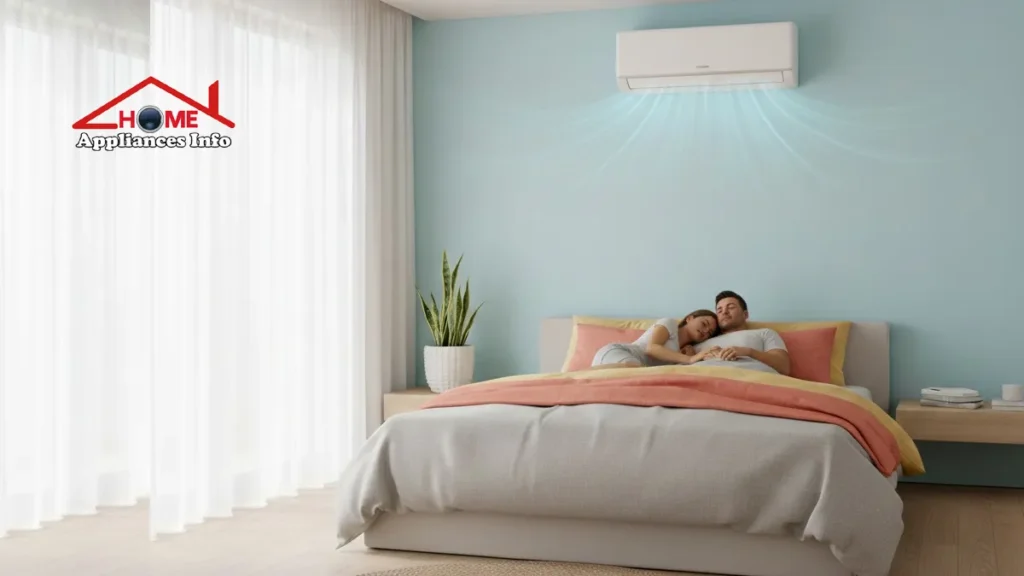
Wall units can cool a single room efficiently. This targeted approach helps create a calm “sleep sanctuary” without freezing the whole home.
Indoor air quality and respiratory health
Many wall units include filters and dehumidification. Used correctly, they can support healthier indoor air quality by:
- Trapping dust and some allergens
- Reducing moisture that feeds mold
- Limiting mildew growth in damp rooms
However, this only works if filters and drains stay clean. Poorly maintained units can blow out allergens and mold spores. We will cover safe maintenance later.
What “without outdoor unit” really means
Before diving into specific picks, it helps to understand what is realistic.
Most classic split systems have two parts:
- An indoor evaporator unit
- An outdoor compressor/condenser box
When people say “without outdoor unit,” they usually mean:
- No large, bulky outdoor box on a balcony or wall
- Minimal visual impact outside the building
Many modern wall units achieve this by using a monoblock design:
- All components sit in one indoor body
- The unit vents heat outdoors through small wall grilles
- From outside, you may only see two round vents
You still need small wall penetrations. Yet you avoid a traditional outdoor condenser. For many apartments and historic buildings, this feels like a practical compromise.
Overview: 5 healthy wall mounted options at a glance
Here is a quick comparison of five common styles and where they shine.
| Pick | Type / Example Style | Best For | Heating Option | Key Health Benefits | Typical Noise Level* |
|---|---|---|---|---|---|
| 1 | Slim monoblock wall unit | Small bedrooms, rentals | Cooling only or combo | Better sleep, quiet, low visual impact | Low to moderate |
| 2 | High‑capacity monoblock | Larger living rooms | Often combo | Safer temps during heat waves | Moderate |
| 3 | Air purifier‑focused wall unit | Allergy or asthma households | Sometimes combo | Cleaner air, less dust and pollen | Low |
| 4 | Best wall mounted air conditioner heater combo | Year‑round comfort | Yes, strong heating | Stable temps, joint and sinus comfort | Low to moderate |
| 5 | Budget‑friendly basic wall unit | Tight budgets, guest rooms | Usually cooling only | Spot cooling, prevents overheating | Moderate |
*Noise levels vary by brand and installation. Check manufacturer data before buying.
Below we explore each type in more detail, with a health lens.
1. Slim monoblock wall unit for quieter, healthier sleep 😌
Think of this as the “bedroom specialist.” It is a compact wall mounted air conditioner without outdoor unit that focuses on quiet, gentle cooling.
Best for:
- Small bedrooms or home offices
- Renters who cannot mount a large outside unit
- Light sleepers who wake easily from noise
Typical features
- Very slim indoor profile
- Two small wall vents to the outside
- Variable fan speeds and a “sleep” or “night” mode
Health benefits
- Supports deeper sleep:
Cooler rooms, around 18–20°C (64–68°F), help promote deeper stages of sleep. - Reduces night sweats:
A stable, modestly cool temperature fights excessive sweating, which can irritate skin. - Lower noise than many portables:
Less sound disruption supports better sleep cycles.
Real‑life example
A new parent struggles because their baby cries in the heat. A slim, quiet wall unit keeps the nursery cool without a loud window unit right beside the crib.
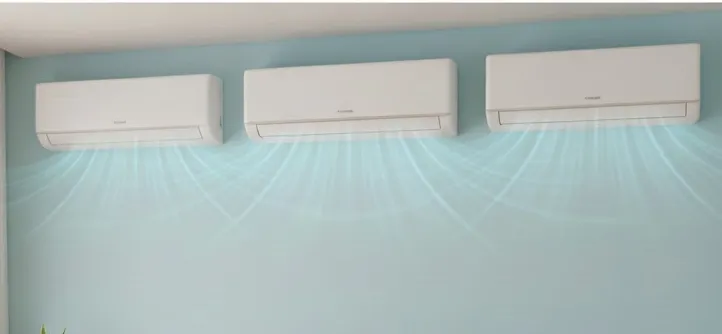
2. High‑capacity monoblock wall unit for living areas and heat waves
This style suits bigger rooms and tougher summers. It still lacks a bulky outdoor condenser but handles heavier loads.
Best for:
- Open‑plan living rooms and studios
- Hot climates or top‑floor apartments
- Households with vulnerable members
Why it matters for health
- Protection during heat waves:
Stronger cooling helps hold safe indoor temperatures even in intense heat. - Better for heart and lung conditions:
People with heart failure, COPD, or advanced asthma do better in steady, moderate temperatures. - Helps prevent dehydration:
Cooler air reduces sweat loss and lowers dehydration risk.
Useful features to look for
- Digital thermostat with precise temperature control
- Multi‑directional airflow to reach corners of the room
- Strong dehumidification setting for humid days
Health‑centered tip
If you care for an older adult, aim to keep main living spaces comfortable all day. Do not wait for extreme heat to turn the system on. Prevention is safer than rapid cooling.
3. Air‑purifier focused wall unit for allergy and asthma support 🌱
Some wall units place special emphasis on filtration and air treatment. They may not be medical devices. Still, they can support healthier breathing when used correctly.
Best for:
- People with dust, pet, or pollen allergies
- Mild to moderate asthma
- Homes with pets or street pollution nearby
Possible filtration features
- Dense dust filters for coarse particles
- Additional fine filters or electrostatic filters
- Optional activated carbon filter for odors and some gases
- “Dry” mode to remove excess humidity
Health benefits
- Less dust and pollen in the air:
Cleaner air can reduce sneezing, eye irritation, and stuffy noses. - Supports asthma control:
Lower allergen loads reduce triggers for some people. - Mold prevention:
Drier air makes it harder for mildew to grow on walls and fabrics.
Important caution
Filters in these units do not replace a dedicated medical‑grade purifier for severe allergies or asthma. For serious conditions, ask your doctor about HEPA purifiers or other tools.
4. The best wall mounted air conditioner heater combo for year‑round wellness
Many people want one system to handle both hot summers and cool winters. A best wall mounted air conditioner heater combo gives both cooling and heating in one wall body.
Best for:
- Regions with hot summers and mild to moderately cold winters
- People with arthritis, joint pain, or sinus issues
- Small homes wanting one central comfort solution
Health advantages of a heater combo
- Stable temperatures all year:
Rapid temperature swings can worsen joint pain and migraines. - Gentler winter air:
Many heater combos offer more even warmth than small space heaters. - Better sinus comfort:
Avoiding very cold indoor air can reduce sinus irritation for some people.
Features that support health
- Wide operating range for both heating and cooling
- Good humidity control in both seasons
- Even airflow to avoid “hot head, cold feet” patterns
Example use
Someone with chronic joint pain finds winter drafts very uncomfortable. A combo wall unit keeps the main room evenly warm, helping them move more comfortably and sleep better.
5. Budget‑friendly wall unit for safe spot cooling
Not everyone can invest in a high‑end system right away. A simpler wall mounted air conditioner can still offer important health protection.
Best for:
- People on tight budgets
- Guest rooms or home offices used part‑time
- Renters needing an upgrade from fans alone
Health focus
- Prevents dangerous overheating in at least one room:
Having one reliably cool room can be critical during a heat wave. - Safer alternative to some improvised solutions:
People may otherwise rely on unsafe fans in extremely hot rooms. - Simple to operate for older adults:
Many basic models use clear, large controls.
How to use it wisely
Keep this room as a “cool refuge” on very hot days. Encourage vulnerable family members to spend time there, drink water, and rest.
How to choose the right wall mounted air conditioner for your space
Choosing a unit is easier when you match it to your room, health needs, and lifestyle.
1. Room size and cooling capacity
- Measure your room in square feet or square meters.
- Check manufacturer guidelines for recommended size.
- Undersized units run constantly, overworking the compressor.
- Oversized units may cool too fast and fail to dehumidify well.
Unbalanced systems can cause clammy air, more mold risk, and higher stress on your body.
2. Noise level and sleep sensitivity
Constant noise can disturb concentration and sleep. For bedrooms and nurseries:
- Look for lower dB ratings where possible.
- Seek “quiet mode” or “night mode” functions.
- Consider your building’s sound characteristics, like thin walls.
If you are sensitive to noise, test the unit on low speed during store demos, when possible.
3. Filtration and indoor air quality
For allergy, asthma, or sinus concerns:
- Choose units with multiple filter layers.
- Confirm filters are washable or easily replaceable.
- Plan to clean filters at least every two to four weeks in heavy use.
Remember, better indoor air quality hinges more on maintenance than on fancy marketing language.
4. Humidity control and mold prevention
High humidity feeds mold and dust mites. Low humidity dries skin and airways.
Ideal indoor relative humidity is often around 40–60 percent. Look for:
- “Dry” or dehumidify modes for sticky days
- A good condensate drainage system to avoid stagnant water
- Clear access to the drain for maintenance
If your home is very damp, you may still need a separate dehumidifier.
5. Heating capability for joint and sinus comfort
If winters affect your mood, joints, or sinuses, a best wall mounted air conditioner heater combo can support you.
Consider:
- Minimum outdoor temperature rating for heating mode
- Safety features like overheat protection
- Ability to maintain stable, moderate warmth, not just blast hot air
Moderate warmth is often kinder to skin, heart, and respiratory systems.
6. Energy use and health equity
Cooling should not threaten your financial stability. Energy‑efficient systems support both the planet and your stress levels.
You can review energy efficient cooling guidelines to understand ratings and typical savings. Look for:
- Inverter technology for more consistent and efficient operation
- Clear efficiency labels or energy ratings on the product
- Programmable timers and eco modes
Lower operating costs can help you run the unit as needed, not just in emergencies.
Safe installation and placement: health considerations 🛠️
Professional installation is strongly recommended for these systems. Poor placement or sealing can undermine both comfort and health.
Placement tips
- Avoid blowing cold air directly at beds or work desks.
- Keep airflow clear of large furniture and curtains.
- Mount high enough to distribute cool air evenly.
Health and safety checks
- Ensure the wall penetrations are well sealed to prevent leaks and pests.
- Confirm proper drainage to avoid water pooling inside walls.
- Ask the installer to show you how to access filters and drains.
If you rent, always get written approval from your landlord or building manager.
Daily use tips for healthier cooling
Small habits turn your wall unit into a health ally rather than a hidden risk.
1. Set gentle, realistic temperatures
- Aim for 24–26°C (75–78°F) during the day.
- At night, many people sleep best around 18–22°C (64–72°F).
- Avoid very cold settings, especially right after coming in from heat.
Gentler cooling reduces strain on your heart and lungs.
2. Support hydration and skin health 💧
Air conditioning can dry your skin and mucous membranes.
- Drink water regularly, even if you do not feel very thirsty.
- Consider a light, fragrance‑free moisturizer.
- Saline nasal sprays may help some people with dry noses.
If your lips crack often indoors, your environment may be too dry.
3. Clean filters and drains on schedule
Dirty filters reduce airflow and blow out particles.
- Check filters every two to four weeks in heavy use.
- Wash or replace according to the manual.
- Inspect condensate drains for clogs or standing water.
If you notice musty smells, stop use and investigate. Mold growth around the unit requires prompt action.
4. Combine with simple non‑AC strategies
Your wall mounted air conditioner works best when supported by low‑tech habits:
- Close blinds or curtains during the hottest hours.
- Use door draft stoppers to contain cool air.
- Use ceiling fans on low to distribute air gently.
These steps let your unit run at milder settings, which can be more comfortable for sensitive people.
Special considerations for vulnerable groups
Babies and children
- Avoid directing strong airflow at cribs or play areas.
- Dress children in light layers, not heavy blankets.
- Check their neck or upper back for sweat, not just hands or feet.
Older adults
- Some older adults feel cold even in safe temperatures.
- Balance their comfort with medical advice for heart and kidney health.
- Make sure controls are easy to see and operate.
People with asthma or chronic lung disease
- Work with your clinician on ideal temperature and humidity ranges.
- Keep rescue inhalers and medication nearby, especially in hot weather.
- Track any breathing changes when you adjust your cooling routine.
Frequently asked questions (FAQs)
1. Are wall mounted air conditioners without outdoor units safe?
Yes, when installed and maintained correctly. They must be mounted securely and vented according to manufacturer instructions. Regular filter cleaning and drainage checks are essential. If you notice water leaks, musty smells, or electrical issues, stop using the unit and seek professional help.
2. Can these units replace central air conditioning for health needs?
Sometimes. For small apartments or single rooms, a wall unit may be enough. For larger homes, they often work best as targeted cooling, especially for bedrooms or main living areas. The key is keeping at least one safe, cool room available during extreme heat events.
3. Do wall units help with mold problems?
They can help prevent mold by lowering humidity and reducing condensation. They do not remove existing mold in walls or carpets. If you suspect significant mold, you may need professional assessment and remediation. Always address water leaks or damp spots promptly.
4. Is a heater combo better for my joints and sinuses?
For many people, yes. A best wall mounted air conditioner heater combo offers gentle, even warmth. That can feel kinder to joints and sinuses than very hot, direct space heaters. Still, avoid overheating your home, which can dry out airways and skin.
5. How often should I service a wall mounted unit?
Filters usually need attention every two to four weeks in heavy use. A professional check‑up once a year is wise, especially before peak summer. They can inspect refrigerant levels, electrical safety, and drainage. Regular maintenance protects both comfort and safety.
6. What temperature is safest during a heat wave?
Health agencies often suggest keeping indoor spaces below about 26–27°C (78–80°F) if possible. For people with heart, lung, or kidney disease, slightly cooler may be safer. Combine cooling with hydration and rest. If you or someone near you shows signs of heat-related illness, seek medical care immediately.
Conclusion: Choosing a wall mounted air conditioner with your health in mind 🌿
A wall mounted air conditioner does more than cool a room. Used thoughtfully, it can:
- Protect your heart and lungs during heat waves
- Support deeper, more restorative sleep
- Reduce moisture that feeds mold and mildew
- Create calmer, more comfortable spaces for children and older adults
When you choose a wall mounted air conditioner without outdoor unit, you gain flexibility if you rent or live in a building with strict rules. By focusing on room size, filtration, humidity control, noise, and energy use, you can match a system to your unique health needs.
If you need year‑round comfort, a best wall mounted air conditioner heater combo may bring steady, gentle temperatures in every season. Pair it with simple habits—good hydration, regular filter cleaning, and sensible temperature settings—to support your wellbeing.
Your next step: take a calm look at your rooms, your climate, and your health priorities. Note your must‑have features, then compare a few models within your budget. With a thoughtful choice and regular care, your wall unit can become a quiet partner in a healthier, more comfortable home. 💫


1 Comment
Pingback: Gree air conditioner – 7 Amazing Health Benefits You’ll Love