


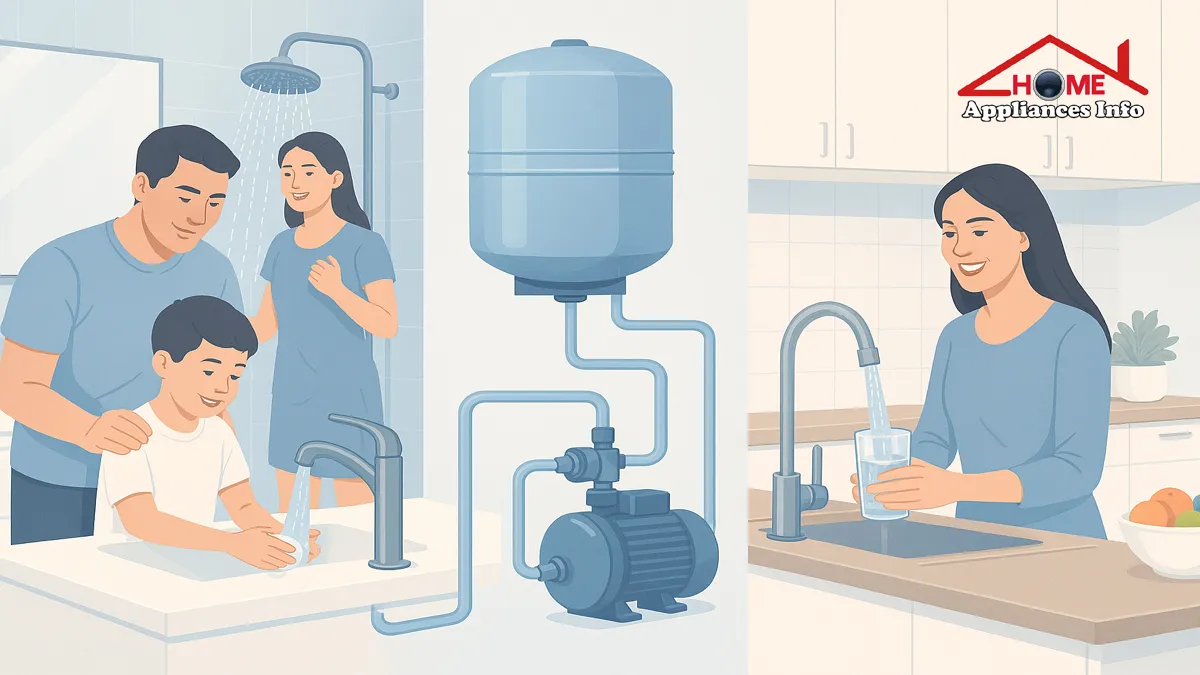
If you have ever turned on a tap and seen only a weak trickle, you know the feeling. Daily routines stall. Showers take longer. Dishes pile up. Hygiene starts to slip.
A well-chosen water pump for house use does much more than move water. It protects your family’s health, comfort, and dignity every single day.
Clean water is the base of:
- Safe cooking and drinking
- Handwashing and showering
- Cleaning surfaces and laundry
- Caring for children, elders, and pets
When your household water supply is unreliable, every one of these becomes harder. Over time, that can affect your skin, digestion, immunity, and even mental well‑being.
In this article, we will explore five incredible health benefits of choosing the right domestic water pump. You will see how a simple equipment decision can:
- Reduce infection risk
- Protect skin and hair
- Support safe hydration
- Lower stress at home
- Help care for vulnerable family members
Let’s look at each benefit with practical examples you can relate to. 💙
1. Cleaner, Safer Water for Everyday Hygiene 🚿
Hygiene starts with water. Yet many homes struggle with irregular flow, low pressure, or contaminated supply from wells or storage tanks.
A properly selected home water pump supports hygiene in three key ways.
1.1 Stable flow supports consistent cleaning
Handwashing is one of the most effective ways to stop infections. But it only works when people do it often and well.
That is hard when:
- Taps run dry at peak times
- Pressure is too weak to rinse soap
- Water comes in short, unpredictable bursts
A reliable household pump helps keep:
- Bathrooms supplied during busy mornings
- Kitchens functional during cooking and cleaning
- Utility areas ready for washing clothes and mops
With consistent water flow, you and your family are more likely to:
- Wash hands after using the toilet
- Rinse fruits and vegetables thoroughly
- Clean surfaces that may carry germs
Over weeks and months, that consistency reduces the spread of stomach infections, skin infections, and respiratory viruses.
1.2 Cleaner storage tanks and pipes
Many homes store water in overhead or underground tanks. Stagnant water can allow sediment, bacteria, and even algae to build up.
A well-matched domestic water pump can:
- Cycle water more efficiently through the system
- Reduce long stagnation periods in tanks
- Improve circulation, especially in larger houses
When combined with periodic tank cleaning and basic filtration, this helps support safer, clearer water at the tap.
For deeper guidance on safe household water, you can check World Health Organization guidelines for drinking water quality. These standards highlight how crucial reliable supply is for health.
1.3 Real‑life example
Imagine a family with two school‑age children. Mornings are rushed. The old pump delivers uneven pressure.
Some days there is barely enough water for one quick shower. Handwashing is rushed or skipped. Fruits are rinsed poorly. Over time, the children face more frequent stomach upsets.
After installing a correctly sized water pump for house use, the family sees:
- Two bathrooms working at once
- Better shower pressure
- Enough water for cleaning and cooking
Handwashing becomes easier. Hygiene routines finally match the family’s real needs.
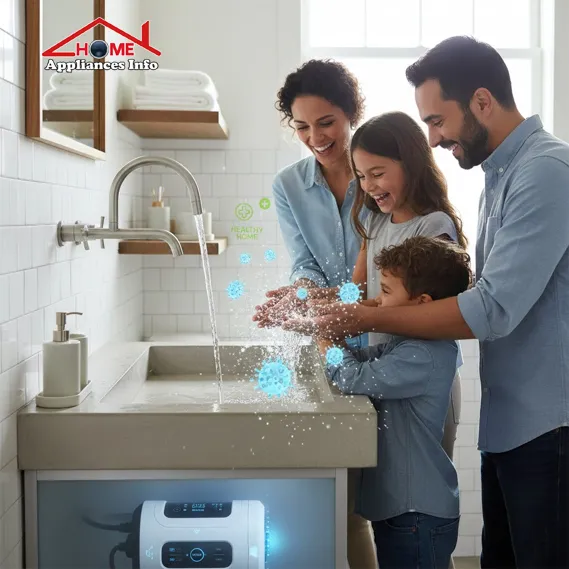
2. Healthier Skin, Scalp, and Personal Care ✨
Water quality and pressure affect how your skin and hair feel every day. The right household pump helps your body care routines work as intended.
2.1 Adequate pressure improves rinsing
Low water pressure can leave:
- Soap residue on skin
- Shampoo and conditioner in hair
- Detergent on clothes and towels
Leftover product can:
- Irritate sensitive skin
- Worsen dryness or itching
- Trigger scalp discomfort and dandruff
- Cause rashes in babies and children
With a suitable home water pump:
- Showers rinse more thoroughly
- Hair care products wash out completely
- Clothes feel softer and less irritating
You may notice fewer flare‑ups of:
- Eczema and dermatitis
- Itching after baths
- Redness from tight, soapy clothing
2.2 Support for sensitive and vulnerable skin
Some family members need extra care:
- Newborns and infants
- Elderly relatives
- People with diabetes
- Those with chronic skin conditions
These groups often have fragile skin barriers. Any residue, bacteria, or poor rinsing can lead to faster irritation or infection.
A reliable domestic water pump supports:
- Gentle, thorough rinsing during sponge baths
- Proper cleaning of medical devices and aids
- More comfortable washing of bedding and clothing
All of this lowers the burden on compromised skin.
2.3 Real‑life example
Consider someone with eczema who avoids long baths. Their home has a weak pump. It takes time to rinse off product. The longer water contact and residue make flare‑ups worse.
After upgrading the water pump for house needs, showers become fast and efficient. Soap rinses off fully. Their dermatologist’s treatment plan finally has the support it needs.
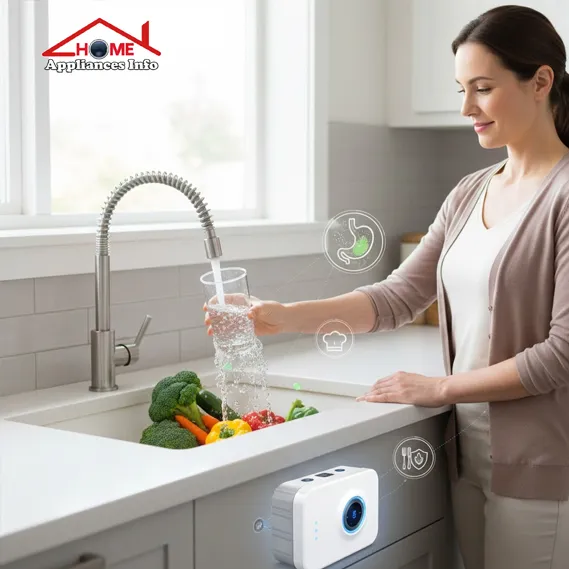
3. Safer Drinking and Cooking Water for Digestive Health 🥤
Digestive health starts with what enters your body. That includes not only food, but also the water used for:
- Drinking
- Cooking
- Washing ingredients
- Preparing infant formula
A quality home water pump can support digestive health in several important ways.
3.1 Support for filtration and treatment systems
Many homes use:
- UV or RO water purifiers
- Cartridge filters
- Whole‑house treatment systems
These devices work best with:
- Consistent inlet pressure
- Steady flow rates
- Limited sudden surges or drops
A carefully chosen domestic water pump:
- Feeds filters at optimal pressure
- Helps prevent bypass or leakage
- Allows purifiers to work as designed
This supports better removal of:
- Sediment
- Some harmful microorganisms
- Certain chemical contaminants (depending on system)
Together with good maintenance, this lowers risk from waterborne illnesses.
3.2 Reduced risk of waterborne infections
In many regions, untreated or poorly supplied water can carry:
- Bacteria
- Viruses
- Parasites
These may cause:
- Diarrhea
- Vomiting
- Abdominal pain
- Long‑term nutrient absorption issues
Data from the Centers for Disease Control and Prevention on waterborne disease shows how wide this problem can be.
A stable water pump for house supply helps you:
- Boil water efficiently when needed
- Use home filters without pressure issues
- Rinse raw foods thoroughly before cooking
These daily actions protect gut health, especially in children and older adults.
3.3 Support for infant and elderly nutrition
Two groups are especially vulnerable to unsafe water:
- Babies who drink formula or mixed foods
- Elderly people with weaker immunity
They rely on:
- Properly prepared bottles
- Well‑cooked, well‑washed foods
- Safe drinking water between meals
A reliable pump ensures:
- Adequate water for sterilizing bottles
- Enough clean water for mixing formula
- Simple, fast preparation of soups and porridges
This supports safer nutrition and steadier digestion.
4. Better Mental Well‑Being and Lower Daily Stress 😌
Health is not only physical. Mental and emotional well‑being matter just as much. Reliable water supply has a strong influence on daily stress.
4.1 Less anxiety around basic routines
Unreliable water can make simple tasks feel exhausting. You may catch yourself asking:
- Will there be enough water for showers?
- Can I wash clothes today?
- Will the kitchen tap stop mid‑meal prep?
This constant low‑level worry increases:
- Irritability
- Tension between family members
- Mental fatigue
When a home water pump reliably supports your schedule, daily life feels calmer. You can plan routines instead of constantly adapting to shortages.
4.2 Support for better sleep and recovery
Sleep quality is tied to overall health. Poor water supply can interfere with:
- Nighttime showers or baths
- Cleaning tasks delayed until late
- The comfort of a clean bedroom environment
When water is dependable, you can:
- Shower at the time that suits your body
- Keep bedding and clothes freshly washed
- Maintain a cleaner, more restful home environment
These small improvements build a stronger sense of control and comfort.
4.3 Dignity and independence for elders and caregivers
For older adults, needing help with bathing or toilet use is often emotionally difficult. Limited water supply makes this even harder.
A suitable domestic water pump supports:
- Routine bathing at preferred times
- Safe use of assistive devices like shower chairs
- Easier cleaning of commodes or bedpans when needed
Caregivers experience less physical strain and time pressure. Elders feel more dignity and privacy. That emotional comfort is a real health benefit.
4.4 Real‑life example
Think of a multi‑generation household. Grandparents need help with bathing. Parents handle work and caregiving. Children attend school.
With an undersized pump, water becomes a daily battle. Bathing schedules overlap. Showers are rushed. Everyone feels tense.
After upgrading the water pump for house capacity, water becomes reliable. Care routines stabilize. Arguments decrease. The home feels more peaceful.
5. Stronger Preparedness for Illness, Emergencies, and Seasonal Changes 🧰
Health challenges can arise suddenly. When they do, water becomes even more essential. The right household water pump supports your resilience.
5.1 Support during contagious illness
When someone at home has:
- Flu or respiratory infection
- Stomach illness
- A contagious skin condition
Hygiene requirements increase. You need more:
- Handwashing
- Laundry cycles
- Surface cleaning
- Dishwashing with hot water
A reliable pump helps you:
- Wash bedding and towels more often
- Clean high‑touch surfaces regularly
- Maintain separate utensils when needed
These actions reduce the spread of infection to other family members.
5.2 Protection during seasonal outbreaks
During outbreaks of diarrhea or other community infections, public health advice often includes:
- More frequent handwashing
- Safe drinking water
- Careful washing of produce
If your home water pump system is dependable, you can follow that advice consistently. You do not have to ration water for basic hygiene.
5.3 Emergency readiness
Some homes face:
- Unpredictable municipal supply
- Power cuts that affect water access
- Seasonal shortages in wells or borewells
A thoughtful water system design, including:
- A correct water pump for house requirements
- Adequate, well‑maintained storage
- Basic treatment or filtration
can help you manage short disruptions more safely. You can:
- Store enough water for drinking and hygiene
- Prioritize sick or vulnerable family members
- Avoid using potentially contaminated emergency sources
5.4 Supporting chronic health conditions
People with chronic conditions often need extra water access for:
- Dialysis at home (where applicable)
- Cleaning medical devices
- Hydration to support kidneys and heart
- Frequent handwashing before wound care
A reliable pump is not a luxury here. It is part of safe home care. Families can follow medical guidance more precisely. They avoid risky shortcuts due to lack of water.
How to Choose a Health‑Focused Water Pump for Your Home 🧩
While this article focuses on health, a few selection basics are helpful. The right pump should support your health goals, not just flow numbers.
Key factors to consider
- Water source
- Municipal line, borewell, open well, or storage tank.
- House size and layout
- Number of floors.
- Distance from source to outlets.
- Number of bathrooms and users
- Peak usage times.
- Compatibility with filters and heaters
- Required pressure range.
- Noise and vibration
- For sensitive sleepers or infants.
Sample comparison: Health‑relevant features
| Feature | Why It Matters for Health | What to Look For |
|---|---|---|
| Stable pressure | Better rinsing and hygiene | Automatic pressure control, fewer surges |
| Compatibility with filters | Effective removal of contaminants | Pressure range matches purifier requirements |
| Energy‑efficient motor | Lower running costs reduce financial stress | Recognized efficiency ratings |
| Quiet operation | Better sleep and reduced anxiety | Noise specifications, user reviews |
| Dry‑run or overload protection | Less risk of sudden breakdowns that cut water supply | Built‑in safety features |
| Corrosion‑resistant materials | Cleaner pipes, fewer particles in water | Stainless or food‑grade contact surfaces |
You can also consult a local plumbing professional. Share health concerns, not only technical ones. Mention:
- Children or elders in the home
- Sensitive skin conditions
- Past issues with waterborne illness
This helps them recommend a domestic water pump that truly fits your family’s needs.
For deeper home hygiene guidance, many readers also explore internal resources such as “how to disinfect a home water tank” or “safe kitchen hygiene checklist” on trusted health sites. These can complement your pump choice.
Frequently Asked Questions About Home Water Pumps and Health ❓
1. Can a water pump itself make water safe to drink?
No. A pump moves water. It does not purify it.
To make water safer for drinking, you need:
- Filtration
- Disinfection
- Or boiling, depending on your source
A pump can support these systems by providing steady flow and pressure.
2. Is low water pressure bad for my health?
Low pressure is not harmful by itself.
However, it can:
- Discourage proper handwashing and bathing
- Leave soap or shampoo residue
- Make cleaning harder
Over time, that may contribute to more infections or skin irritation.
3. How often should I maintain my home water pump?
Basic checks should happen at least once a year. In heavy‑use homes, twice a year is better.
Also monitor:
- Unusual noise or vibration
- Sudden drops in pressure
- Visible leaks around fittings
Prompt maintenance helps avoid sudden failures that disrupt hygiene routines.
4. Does a bigger pump always mean better health benefits?
Not necessarily. An oversized home water pump can:
- Waste energy
- Create excessive pressure
- Stress pipes and fixtures
The healthiest choice is a correctly sized pump. It should match your home layout and usage patterns.
5. Can a water pump help during water contamination alerts?
Indirectly, yes. The pump itself does not remove contamination.
But a reliable water pump for house use can help you:
- Fill safe storage quickly when safe water is available
- Use filters consistently
- Boil water more efficiently when required
Combined with guidance from local health authorities, this improves safety.
6. My child has sensitive skin. Should I upgrade my pump?
If low pressure or irregular flow makes rinsing difficult, an upgrade may help.
Better water pressure can:
- Improve soap removal
- Support shorter, more comfortable baths
- Enhance overall hygiene routines
Discuss this with your child’s dermatologist. Combine medical advice with plumbing improvements for best results.
Conclusion: Turn Your Water System Into a Health Ally 🏠💧
A water pump for house use may seem like simple equipment. Yet its impact on health is wide and often underestimated.
The right pump can:
- Support cleaner, more reliable hygiene
- Protect sensitive skin and scalp
- Back up safe drinking and cooking practices
- Reduce stress and support mental well‑being
- Strengthen your preparedness during illness or shortages
When you choose a home water pump, think beyond flow rates and price tags. Consider:
- How well it will support handwashing and bathing
- Whether it suits your filters and purifiers
- The needs of children, elders, and those with health conditions
If you are planning upgrades, talk with both a plumbing professional and, when relevant, your healthcare provider. Align technical decisions with health priorities.
With thoughtful choices, your water pump for house use becomes more than hardware. It becomes a quiet, steady partner in your family’s daily health. 💙
Now is a meaningful time to:
- Review your current water pressure and reliability
- Note any hygiene tasks that feel difficult
- Consider whether a better water pump for house needs could ease those challenges
Small infrastructure changes often bring large, long‑lasting health benefits. Your home water system can be one of them.
1 Comment
Pingback: Soap dispenser ideas: 10 amazing designs for every kitchen & bathroom