

To support our research and detailed appliance reviews, we may earn a small commission from qualifying purchases made through our links, at no extra cost to you. As an Amazon Associate, I earn from qualifying purchases.
To support our research and detailed appliance reviews, we may earn a small commission from qualifying purchases made through our links, at no extra cost to you. As an Amazon Associate, I earn from qualifying purchases.
Lighting shapes how your eyes feel, how your brain focuses, and even how you sleep. Yet even with LEDs everywhere, many people still reach for halogen light bulbs when they care about comfort and health at home.
If you have ever felt exhausted under harsh office lights but calmer under a warm bedside lamp, you are not imagining it. Light is a biological signal, not just a way to see your book or laptop.
This article explores five surprising health-related reasons people still choose halogen lighting. You will also find practical tips to protect your eyes, support better sleep, and feel more comfortable in your own space. 🌙
1. Why halogen light bulbs still feel gentler on your eyes 👀
Many people describe halogen bulbs as “soft” or “natural.” That feeling matters for eye comfort.
Halogen lamps produce a continuous, broad spectrum of light. It is closer to natural daylight than many older fluorescents and some low-quality LEDs. While every eye is different, several factors help explain why these bulbs can feel gentler:
- Less harsh contrast in many fixtures
- More predictable color that stays stable as they dim
- Reduced flicker compared with some cheap lamps or drivers
Eye strain often comes from:
- Glare on screens and glossy pages
- High contrast between bright lights and dark rooms
- Flicker that you might not consciously see
- Poor positioning of lights
Halogen bulbs do not magically eliminate these issues. Yet their warm, consistent light can feel less aggressive for some people, especially in the evening.
A real-life example:
Someone who spends the day under bright office LEDs may come home with headaches. In a softly lit room using a shaded halogen floor lamp, their eyes finally relax, and reading feels easier.
A quick comparison of light types and eye comfort
Below is a simplified comparison focused on comfort and health, not just efficiency.
| Light Type | Typical Color Feel | Flicker Risk* | Common Health Complaints | Notes for Eye Comfort |
|---|---|---|---|---|
| Halogen | Warm, natural-like | Low in most fixtures | Glare, heat near skin | Gentle on many eyes when dimmed and shaded |
| LED (good quality) | Adjustable, stable | Low with quality drivers | Eye strain from brightness, blue light | Can be very comfortable with dimming and diffusers |
| Fluorescent | Cool or harsh for some | Higher in older models | Headaches, eye strain, fatigue | Often worst when overhead and uncovered |
*Flicker risk varies widely by product quality and driver design.
The key takeaway: halogen bulbs can feel more forgiving when your eyes are tired, especially in carefully chosen lamps.
2. They can support more natural evening rhythms 🌙
Your body runs on a 24‑hour clock called the circadian rhythm. Light is one of its strongest signals.
Very bright, cool, blue-rich light late at night can:
- Delay melatonin release
- Make it harder to fall asleep
- Reduce sleep quality, even if you sleep long enough
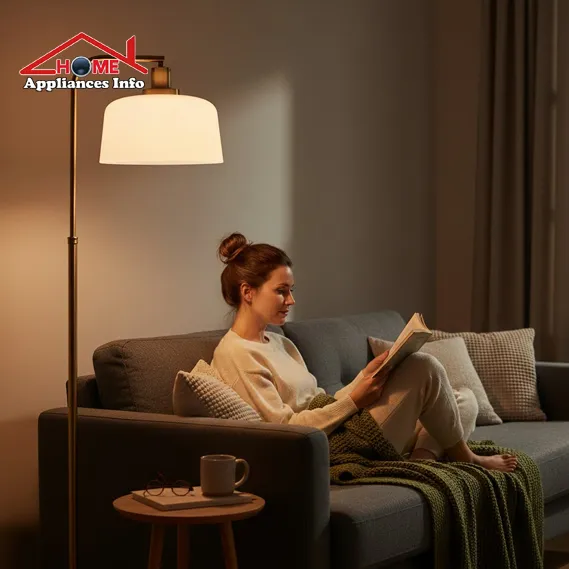
Many halogen lamps produce a warmer, yellowish light, especially when used with dimmers. This light has less blue content compared with some very cool, bright LEDs.
Research on blue light and sleep from Harvard Health suggests that shorter wavelengths can disrupt melatonin more than warmer light sources.
blue light and sleep
Halogen bulbs are not “sleep lights,” and they still produce some blue light. However, people often use them in:
- Bedside lamps
- Living room floor lamps
- Reading lights before bed
Because they tend to be dimmed and shaded, they can feel gentler on your night-time rhythm than a bright, cool overhead fixture.
A practical example:
Switching a very bright, cool daylight bulb over the bed to a warm halogen bedside lamp can make winding down easier. Screens still matter, but the overall environment feels more restful.
3. They flatter skin tone and boost confidence 😊
Lighting is not only about your eyes and sleep. It also affects how you feel about yourself.
Traditional halogen light bulbs render colors very accurately. They have a very high color rendering index (CRI), meaning:
- Skin looks more natural and healthy
- Makeup shades appear true to color
- Food and décor look more vibrant and appealing
Feeling that you “look terrible” under harsh lights can affect self-esteem and social comfort. Some people describe fluorescent or very cool LEDs as:
- “Washing me out”
- “Making me look sick or tired”
By contrast, warm halogen lighting can:
- Soften shadows on the face
- Warm up skin tone
- Reduce the appearance of under-eye circles
This effect is not only cosmetic. When you feel better about your appearance, you may:
- Experience less social anxiety
- Feel more relaxed in your own home
- Approach the day with more confidence
A short example:
Someone with sensitive skin and dark circles might feel drained in a bright bathroom with cool lighting. Under a halogen vanity fixture, they see a healthier, more accurate reflection, which supports a kinder self-image. 💄
4. Their warmth can feel emotionally soothing 🕯️
Many people associate warm light with comfort: fireplaces, candles, sunsets. Halogen bulbs, especially in warm-toned lamps, can mimic some of that feeling.
The emotional effect of lighting is well documented. Warmer, dimmer light often feels:
- More relaxing
- More intimate
- Less clinical
Very cold, high-intensity light can feel:
- Stressful
- Exposing
- “Hospital-like”
Traditional halogen light bulbs produce heat as well as light. While the heat itself is not required for mood, some people find the slight warmth near a lamp comforting, especially in cooler climates.
This emotional comfort can support:
- Lower perceived stress after long workdays
- More pleasant family dinners
- Calmer bedtime routines for children
Still, that warmth has risks. Halogen bulbs run hot and can cause burns or increase fire risk if misused. Safe placement and proper fixtures are essential.
5. Change feels overwhelming, and comfort wins over efficiency 🔄
Health behavior change is hard. That includes lighting.
People often keep using halogen bulbs because:
- They know exactly how the light will look
- Past experiences with cheap LEDs were uncomfortable
- They fear headaches or eye strain from new bulbs
- They feel emotionally attached to how their home currently feels
If a person has once developed migraines under harsh fluorescent lighting, they may associate “new” lighting with pain. Halogen lamps then feel like a safe, familiar option.
This emotional memory can be stronger than any promise of savings or long life. Health is personal. When something feels safer, people cling to it.
Instead of blaming yourself for “not upgrading,” it helps to:
- Acknowledge your past discomfort
- Explore higher-quality LEDs slowly, in low-risk spaces
- Focus on how any change will support your comfort and sleep
You do not have to replace every bulb at once. You can transition thoughtfully, starting with spaces where light affects your health the most.
How to use halogen bulbs more safely for your health 🩺
If you choose to keep some halogen bulbs, you can still protect your eyes, skin, and sleep.
1. Reduce glare and harsh contrast
- Use shaded lamps, not bare bulbs at eye level
- Place floor lamps behind or beside you, not directly in front
- Avoid pointing bright lamps straight at screens
This reduces eye strain and headaches for many people.
2. Keep safe distance from skin
Because halogen bulbs get hot, avoid:
- Sitting extremely close to open halogen desk lamps
- Touching the bulb or placing flammable materials nearby
- Using strong halogen spotlights close to children or pets
Heat on the skin can cause discomfort or even minor burns with contact.
3. Support better sleep
If you use halogen lamps at night:
- Dim them during the last two hours before bed
- Use warm, shaded fixtures instead of bright overhead spots
- Limit screen time, which still adds strong blue light
Try to create an evening “wind-down zone” with calm, steady light and fewer stimulating activities.
4. Combine halogen with other healthy lighting choices
You do not need to be “all halogen” or “all LED.” You can mix sources thoughtfully.
- Use high-quality, warm LEDs in hallways and kitchens
- Keep a few halogen lamps in spaces where you need maximum comfort
- Choose full-spectrum or high-CRI bulbs where accurate color matters
For eye comfort around screens, follow American Academy of Ophthalmology guidance on breaks and brightness.
American Academy of Ophthalmology guidance
FAQs about halogen lighting and health ❓
1. Are halogen light bulbs better for eye health than LEDs?
Not always. High-quality LEDs with good diffusers and low flicker can be very comfortable. Halogen lamps may feel gentler for some people, especially when dimmed and shaded. The key is avoiding glare, extreme brightness, and poor-quality products.
2. Do halogen bulbs affect sleep?
They can, especially if very bright or used close to bedtime. However, warm, dim halogen lighting usually contains less blue light than very cool, bright LED or fluorescent options. For better sleep, keep all lights dim in the evening and reduce screen exposure.
3. Can halogen bulbs cause headaches?
They can, particularly if they produce glare or are too bright in dark rooms. Any harsh lighting, including poorly designed LEDs or fluorescents, can trigger headaches in sensitive people. Use shades, indirect lighting, and dimmers to reduce this risk.
4. Are halogen lamps safe for children’s rooms?
Use caution. Halogen bulbs get very hot and can cause burns or increase fire risk if knocked over or covered with fabric. If used near children, choose well-shielded fixtures, place them out of reach, and consider cooler-running alternatives for bedside or play areas.
5. Are halogen bulbs bad for skin?
There is usually no major skin risk at typical home distances. However, very close, intense exposure to hot halogen bulbs can feel uncomfortable. People with certain skin conditions or photosensitivity should talk with a dermatologist about their lighting environment.
6. How can I tell if my lighting is hurting my health?
Look for patterns. If you get headaches, eye strain, or feel wired at night in certain rooms, notice which bulbs and fixtures you use there. Try softer, warmer, or more diffused light and track how your body responds over several days.
Conclusion: Choosing the healthiest light for your life 💡
Light is not neutral. It shapes your focus, mood, sleep, and how you see yourself in the mirror. That is why halogen light bulbs remain popular, even when newer options dominate store shelves.
People keep them because they:
- Often feel gentle on tired eyes
- Can support calmer evening rhythms when used wisely
- Flatter skin tone and boost self-confidence
- Create a warm, soothing atmosphere
- Offer familiar comfort when change feels risky
You do not need to abandon halogen lighting overnight. Instead, treat your home as a health environment. Notice how each room’s light makes your body and mind feel.
Then, begin small experiments: change a bulb here, add a dimmer there, introduce one high-quality warm LED beside a trusted halogen lamp. Over time, you can build a lighting setup that protects your eyes, supports your sleep, and nurtures your sense of comfort. 🌟
Your health deserves a home that feels as gentle and supportive as you need it to be—one light at a time.

🌐 FOUNDER & DIGITAL PUBLISHER
Muhammad Ali
Founder | SEO Strategist & E-E-A-T Digital Publishing Specialist

📈 SEO Strategy
🛠️ Appliance Optimization
🛡️ E-E-A-T Standards
Muhammad Ali is a digital publisher, SEO strategist, and founder of Home Appliances Info. He specializes in home appliance optimization, structured schema networks, and advanced E-E-A-T digital publishing standards to ensure accurate, trustworthy content across the platform.