

To support our research and detailed appliance reviews, we may earn a small commission from qualifying purchases made through our links, at no extra cost to you. As an Amazon Associate, I earn from qualifying purchases.
To support our research and detailed appliance reviews, we may earn a small commission from qualifying purchases made through our links, at no extra cost to you. As an Amazon Associate, I earn from qualifying purchases.
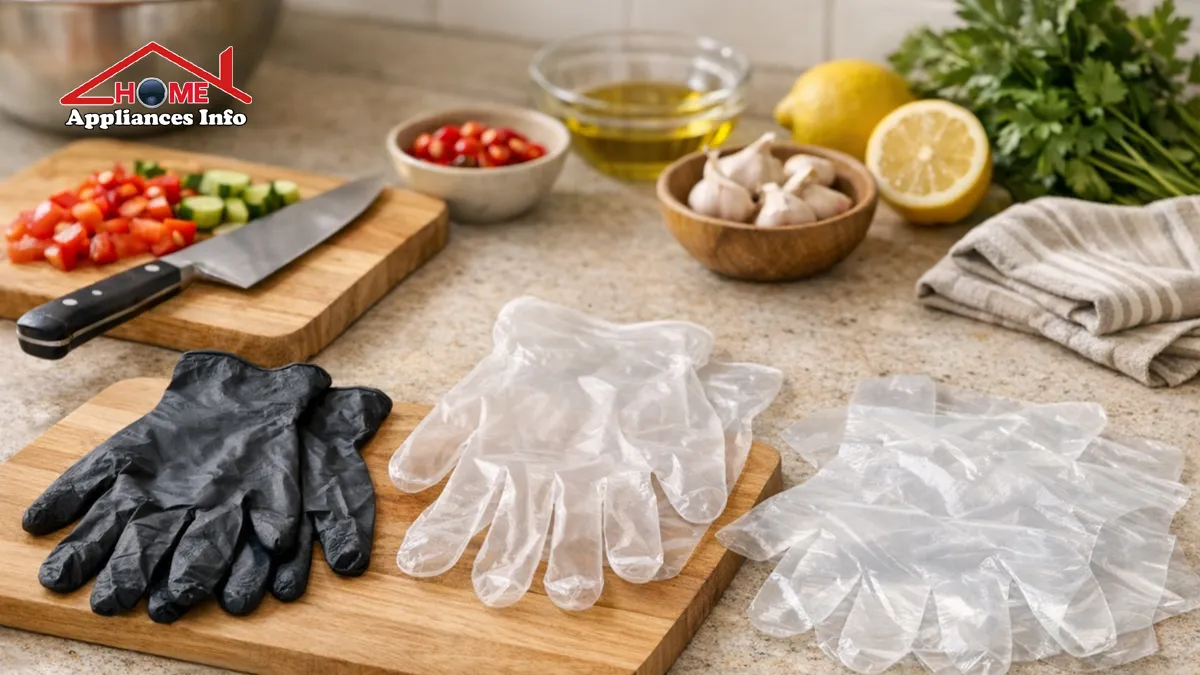
Kitchen gloves do more than keep your hands clean. They help you work faster, safer, and with less mess in daily cooking. Whether you prep raw chicken, slice chilies, wash produce, or pack leftovers, the right gloves can save minutes and prevent avoidable mistakes. For many home cooks and food businesses, kitchen gloves for cooking have become as essential as a sharp knife or a clean cutting board.
If you have ever stopped mid-recipe to scrub your hands after touching garlic, oil, or raw meat, you already know the problem. Cooking often involves repeated washing, changing tasks, and protecting skin from heat, acids, and stains. That is where the right pair of gloves makes a visible difference.
This guide explains the best glove types, when to use them, and how to choose wisely. It also covers disposable kitchen gloves, food safety standards, and smart buying tips for households and restaurants, including options available in Pakistan.
1. Kitchen gloves improve food safety from the first step
The first reason cooks reach for gloves is hygiene. Food can carry bacteria, viruses, and contaminants long before it reaches the pan. Raw chicken, beef, seafood, and even unwashed vegetables can spread germs across surfaces.
Using kitchen gloves during prep helps reduce direct hand contact with food. That matters when switching between ingredients. It is especially useful when handling raw and ready-to-eat foods in one session.
Why this saves time
Without gloves, you may wash your hands repeatedly after touching each item. Gloves let you change tasks faster. Remove one pair, wear another, and continue.
Practical example
A home cook trims chicken, then slices cucumbers for salad. Instead of a long hand-washing break, they discard the gloves, sanitize the board, and move on quickly.
Trusted food safety guidance from the CDC guidelines emphasize glove use in food service as part of broader hygiene practices.
2. Nitrile gloves are the best all-around choice for busy kitchens
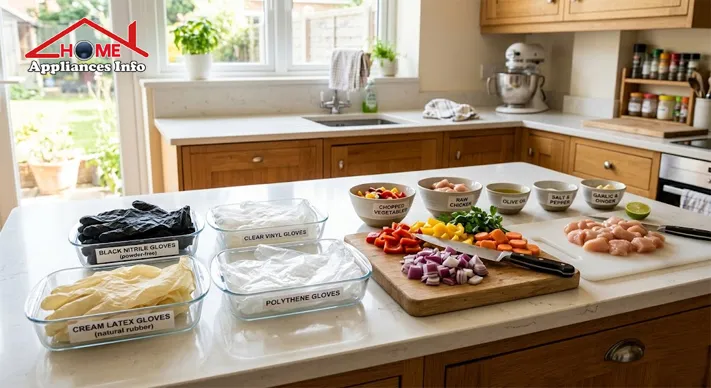
If you want one glove type that handles most tasks well, nitrile is often the best answer. These synthetic rubber gloves are durable, flexible, and latex-free.
They work well for:
- Raw meat preparation
- Oily or greasy foods
- Acidic ingredients like lemon or tomato
- Spice-heavy prep, including chilies
- Short cleaning tasks around the sink
Nitrile gloves resist punctures better than many other options. That makes them reliable in both home and commercial kitchens.
Why nitrile stands out
- Stronger than vinyl for demanding prep
- Safer for people with latex allergies
- Better fit and grip than loose plastic gloves
- Comfortable during longer cooking sessions
Among kitchen gloves for cooking, nitrile offers the best mix of hygiene, comfort, and durability. If your budget allows only one glove type, nitrile is usually the smartest pick.
3. Vinyl gloves are affordable for light food prep
Vinyl gloves are a practical option when cost matters most. They are usually made from PVC and are often chosen for simple kitchen tasks.
They are useful for:
- Assembling sandwiches
- Handling bakery items
- Washing vegetables
- Portioning dry foods
- Serving ready-to-eat items
Vinyl is less durable than nitrile, but it works well when gloves need frequent changes. Restaurants often use them for short tasks that do not involve sharp tools or heavy grease.
Best use case
If you prepare snacks for a school event or family gathering, vinyl gloves can keep the process clean without raising costs.
For many buyers comparing disposable kitchen gloves, vinyl sits in the sweet spot between price and convenience.
4. Latex gloves feel great, but allergies limit their use
Latex gloves are soft, flexible, and easy to wear. Many cooks like them because they offer a close fit and strong tactile control. That helps with delicate jobs, such as peeling prawns or shaping dough.
Still, latex is not ideal for everyone.
The main drawback
Latex allergies affect a noticeable share of adults. Even when the wearer is not allergic, guests or co-workers may be sensitive.
Because of that, many kitchens now prefer nitrile over latex, especially in shared spaces.
When latex still makes sense
Latex can work in private home kitchens if no allergy risk exists. But for mixed households, catering, or food businesses, latex-free gloves are the safer standard.
The FDA Food Code supports strong hand hygiene and safe food handling practices in food service environments.
5. TPE and polythene gloves are useful for quick, simple tasks
Not every cooking job needs heavy-duty protection. Sometimes you just need a clean barrier for a few minutes. That is where TPE or basic polythene gloves can help.
These gloves are usually:
- Lightweight
- Latex-free
- Budget-friendly
- Easy to wear and discard
They are best for:
- Handling bread or pastries
- Serving food at events
- Peeling onions
- Mixing salads by hand
- Quick produce handling
A realistic expectation
These are not made for demanding prep. They can tear more easily and often fit loosely. But for short, low-risk tasks, they do the job.
In Pakistan, these are often the cheapest disposable kitchen gloves available online and in wholesale markets.
6. The right kitchen gloves protect your skin as much as your food
Many people think gloves are only about hygiene. In reality, they also protect your hands from daily kitchen stress. Repeated exposure to water, detergent, garlic, onion, citrus, hot peppers, and oils can leave skin dry, irritated, or stained.
Kitchen gloves help create a barrier between your skin and those irritants.
Common situations where gloves help
- Cutting chilies without burning your skin
- Marinating meat with spices and acids
- Peeling beets or turmeric-rich ingredients
- Cleaning fish with strong odors
- Washing dishes after long prep sessions
A simple example
Someone preparing achar or spicy marinade often feels burning fingers for hours. Gloves prevent that discomfort in seconds.
For people with eczema, cuts, or dry skin, glove use can make cooking more comfortable and consistent.
7. Disposable gloves save time when used correctly
Some cooks avoid gloves because they assume gloves slow everything down. In practice, the opposite is often true. The key is using them with a simple system.
Time-saving glove habits
- Keep glove boxes near prep areas
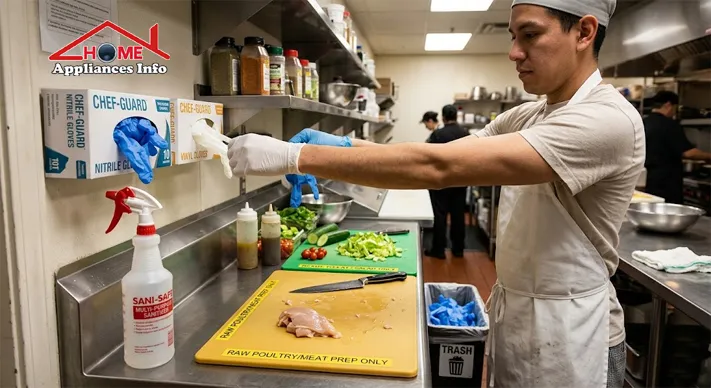
- Change gloves between raw and cooked foods
- Use one type for prep and another for serving
- Pick the right size for fast movement
- Do not wash and reuse disposable gloves
This approach reduces interruptions. It also limits the need to scrub hands after every contact with messy ingredients.
Important note
Gloves are not magic. Dirty gloves spread germs just like dirty hands. You still need clean worktops, clean tools, and proper glove changes.
For safe food handling, food safety depends on a full routine, not one product alone.
8. Choosing the best kitchen gloves in Pakistan
Buying gloves in Pakistan is easier than before. Online marketplaces and kitchen supply stores carry a growing range of options, from budget polythene gloves to premium nitrile packs.
What you will commonly find
- Black nitrile gloves, powder-free
- Transparent polythene gloves for basic handling
- Vinyl gloves for restaurants
- Multi-pack disposable options for home kitchens
Typical price range
Prices vary by material, thickness, and pack size. Basic gloves may start around Rs. 99, while better-quality vinyl or nitrile packs can reach Rs. 1,700 or more.
Buying tips for Pakistani shoppers
- Check whether the gloves are powder-free
- Look for food-safe labeling
- Compare thickness for durability
- Read reviews for tearing and sizing
- Buy from sellers with clear material descriptions
Among kitchen gloves for cooking, nitrile remains the premium pick for durability. Vinyl and polythene remain practical for lighter use and larger-volume changes.
Quick comparison table: which glove should you choose?
| Glove Type | Best For | Main Benefits | Drawbacks | Allergy Risk |
|---|---|---|---|---|
| Nitrile | Raw meat, oily foods, long prep | Durable, puncture-resistant, latex-free | Higher price | No latex risk |
| Vinyl | Sandwiches, produce, serving | Affordable, flexible, easy to replace | Less durable | Low |
| Latex | Detailed prep, close fit tasks | Soft, strong grip, excellent feel | Allergy concerns | Yes |
| TPE/Polythene | Quick handling, serving, short tasks | Cheap, lightweight, disposable | Loose fit, tears easily | Low |
How to use kitchen gloves without creating waste
Gloves are useful, but no one wants unnecessary waste. A smarter approach balances safety, cost, and environmental awareness.
Use gloves when they make the biggest difference
Wear them for:
- Raw meat and seafood prep
- Ready-to-eat food assembly
- Handling strong spices or acids
- Protecting cuts or irritated skin
Skip them when:
- Stirring food with clean utensils
- Washing whole produce under running water
- Performing low-risk tasks with freshly washed hands
That balance keeps your kitchen efficient while reducing overuse of disposable kitchen gloves.
5 smart tips for getting more value from kitchen gloves
1. Buy the right size
Gloves that are too loose slow you down. Gloves that are too tight may tear.
2. Keep multiple types at home
Use nitrile for raw prep and vinyl for lighter tasks.
3. Store boxes away from heat
Moisture and heat can damage glove quality over time.
4. Choose powder-free options
They feel cleaner and are better suited to food prep.
5. Do not replace handwashing entirely
Gloves work best as part of a complete hygiene routine.
FAQs about kitchen gloves
Are kitchen gloves necessary at home?
Not for every task. But they are very helpful for raw meat, spicy ingredients, and ready-to-eat food handling.
What are the best kitchen gloves for cooking?
Nitrile gloves are often the best overall. They are durable, latex-free, and suitable for many prep tasks.
Are disposable kitchen gloves safe for food?
Yes, if they are labeled food-safe and used correctly. Always change them when switching tasks.
Can I reuse disposable gloves?
No. Disposable gloves are designed for single use only. Reusing them increases contamination risk.
Which glove type is best for people with allergies?
Nitrile and TPE are good options because they are latex-free.
Where can I buy kitchen gloves in Pakistan?
You can find them on major online marketplaces, kitchen supply stores, and wholesale food-service vendors.
Final thoughts
The best kitchen gloves are not just protective barriers. They are practical tools that help you cook with more confidence, speed, and care. They reduce mess, support food safety, and protect your skin during long prep sessions. For most kitchens, nitrile offers the strongest all-around value. Vinyl and polythene gloves still have their place for simpler tasks and tighter budgets.
If you cook often, start with one box that fits your most common needs. Test the fit, notice the difference, and build a small glove system around your routine. The right kitchen gloves for cooking can quietly improve your kitchen every day.
References


🌐 FOUNDER & DIGITAL PUBLISHER
Muhammad Ali
Founder | SEO Strategist & E-E-A-T Digital Publishing Specialist

📈 SEO Strategy
🛠️ Appliance Optimization
🛡️ E-E-A-T Standards
Muhammad Ali is a digital publisher, SEO strategist, and founder of Home Appliances Info. He specializes in home appliance optimization, structured schema networks, and advanced E-E-A-T digital publishing standards to ensure accurate, trustworthy content across the platform.
2 Comments
Pingback: Dishwashing Liquid Dispenser: 7 Powerful Benefits Every Kitchen Needs
Pingback: The Ultimate 2026 Guide to Matter-Compatible Smart Kitchen Appliances: Expert Buying Guide