


Buying an electric shaver sounds simple, until you face dozens of models, features, and price points. A smart Electric Shaver Buying Guide helps you avoid that confusion. It also saves your skin, your time, and your money. In 2026, electric shaving is no longer just about removing hair. It is about comfort, precision, hygiene, and matching a tool to your lifestyle.
If you have ever bought a shaver that pulled hair, caused razor bumps, or died after a few months, you are not alone. Many men choose based on price alone. Then they regret it. The truth is simple: the best shaver is the one that fits your face, beard, and routine.
This article breaks that choice into seven practical secrets. Think of it as advice from someone who has seen both ends of the market: cheap gadgets that disappoint, and premium tools that genuinely improve daily grooming.
1. Know Your Skin Before You Know the Brand
The first secret in any Electric Shaver Buying Guide is this: start with your skin, not the logo.
Your skin decides how forgiving or demanding your shave needs to be. If your skin gets red easily, the wrong shaving system can turn a quick routine into a daily irritation.
Sensitive skin often prefers rotary shavers
Rotary shavers usually move in circular patterns. They glide more gently over uneven facial contours. That makes them a strong option for:
- Sensitive skin
- Acne-prone skin
- Men who shave around the jaw and neck often
- Users with irregular growth patterns
Philips has built a strong reputation here. Features like skin-comfort rings and adaptive heads reduce friction during long shaving sessions.
Coarse beards often do better with foil shavers
Foil shavers use straight blades beneath a thin metal foil. They tend to give a closer, more precise shave. They often work best for:
- Thick facial hair
- Straight beard growth
- Daily clean-shaven looks
- Men who value sharp lines
If your beard feels like sandpaper by evening, a foil system may serve you better than a rotary model.
A simple rule helps: if comfort matters most, try rotary. If closeness matters most, test foil.
2. Beard Density Matters More Than Most Buyers Realize
Many buyers overlook beard density. That is a costly mistake.
Not all motors perform the same way. A light beard can be handled by a mid-range shaver. A dense beard needs stronger cutting power and blade stability.
Match power to growth speed
If your beard grows fast, you need a motor that responds under pressure. Braun’s newer models use adaptive sensing technology to read hair density and adjust output. This matters because weak motors tug. Strong motors cut cleanly.
For example, someone with a heavy beard shaving every morning before work needs consistency. A premium model may feel expensive at checkout. But it can save several frustrating minutes every day.
According to Braun Series 9 Pro+, AutoSense technology is designed to adapt to beard thickness in real time. That kind of feature is especially useful for dense growth.
Fine beards do not always need flagship models
If your facial hair is softer and lighter, you may not need the most expensive machine. A well-made mid-range rotary shaver can offer comfort and value without extra complexity.
This is where many first-time buyers overspend. They buy for prestige instead of need.
3. Your Lifestyle Should Shape Your Choice
A reliable Electric Shaver Buying Guide looks beyond the bathroom mirror. It asks how you live.
The right shaver for a student is not always the right one for a frequent traveler or a corporate professional. Grooming tools should fit routines, not fight them.
Ask yourself three simple questions
- Do you shave daily or only a few times a week?
- Do you travel often?
- Do you prefer wet shaving, dry shaving, or both?
Your answers narrow the field quickly.
Best fit by lifestyle
- Daily shavers: prioritize comfort, battery life, and durability
- Travelers: choose compact size, travel lock, and USB charging
- Occasional users: focus on affordability and easy maintenance
- Stubble wearers: consider hybrid models with trimming flexibility
Hybrid shavers are becoming more popular in 2026. They suit men who want neat stubble rather than a fully clean shave. This trend reflects a broader shift in men’s grooming, where maintenance matters as much as complete hair removal.
If you want broader context on grooming device trends, Philips Norelco Shavers show how brands now build for personalized routines, not one-size-fits-all use.
4. Understand the Three Main Shaver Types
This is one of the most important parts of the Electric Shaver Buying Guide. If you understand shaver types, you avoid half the buying mistakes people make.
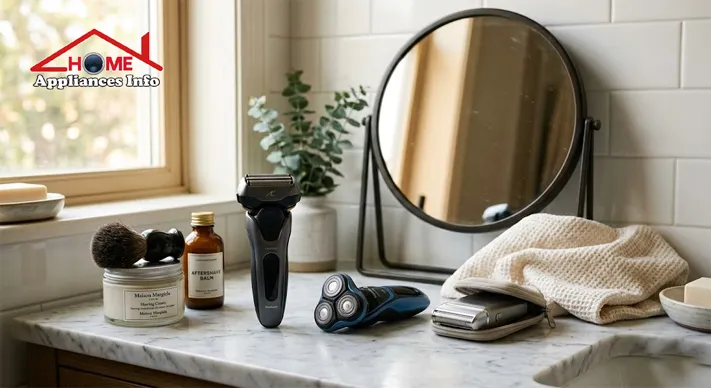
Rotary shavers
Best for comfort and contour-following.
They use circular cutting heads that flex around the face. They are often ideal for men with sensitive skin or hair that grows in different directions.
Foil shavers
Best for precision and closeness.
They move in straight lines and usually shave faster on flat areas like the cheeks. They are often favored by men who want a polished, clean-shaven look.
Hybrid models
Best for versatility.
These combine trimming and shaving functions. They are useful for men who maintain short beards, designer stubble, or defined edges.
Here is a quick comparison:
| Type | Best For | Strengths | Possible Drawback |
|---|---|---|---|
| Rotary | Sensitive skin, uneven growth | Gentle, flexible, contour-friendly | Less precise for sharp lines |
| Foil | Coarse hair, close shaves | Fast, close, precise | Can irritate very sensitive skin |
| Hybrid | Stubble and beard maintenance | Flexible styling, multi-use | May not match premium full shavers |
5. New 2026 Features Are Worth Understanding
Technology is not just marketing fluff anymore. Some features genuinely improve performance.
AI sensors improve comfort
Brands like Braun and Philips now use adaptive systems that respond to beard thickness and shaving pressure. That means better efficiency and less repeated passes.
Less repeated movement means less skin stress.
Mag-Lev motors increase speed
Panasonic’s Lamdash line is known for high-speed cutting. Its magnetic levitation motor helps blades move faster and more smoothly. For coarse hair, this can make the shave feel cleaner and quicker.
You can explore product details through Panasonic Lamdash. This line remains a strong contender for fast, close shaving.
Cleaning docks improve hygiene
Self-cleaning stations used to feel optional. Now they are more practical, especially for daily shavers. They help with:
- Cleaning residue
- Lubricating blades
- Charging the device
- Extending blade life
If you shave often, this can save time and keep performance stable.
Waterproof design adds flexibility
A waterproof shaver supports:
- Wet shaving with gel or foam
- Dry shaving on rushed mornings
- Faster rinsing under tap water
This is one feature many buyers appreciate more after purchase than before it.
6. Price Is Important, But Ownership Cost Matters More
A cheap shaver is not always affordable. A premium shaver is not always expensive in the long run.
That sounds contradictory, but it is true.
Look beyond the box price
When comparing models, check:
- Replacement head cost
- Blade availability
- Warranty length
- Service support in your region
- Expected battery lifespan
A low-cost model with hard-to-find blades can become useless within a year. A mid-range model with easy replacement parts may offer better value over three years.
This matters especially in South Asia, Pakistan, and other growing grooming markets. Buyers there increasingly prefer durable mid-range devices because they balance cost with practical longevity.
A simple budget guide
- Entry level: best for students and first-time users
- Mid-range: ideal for professionals who shave regularly
- Premium: best for thick beards, daily use, and long-term comfort
This is why a thoughtful men’s grooming tool comparison is often more useful than a simple “best shaver” list.
7. Brand Reputation Helps, But Fit Still Wins
Brands matter because they signal consistency, support, and replacement ecosystems. But even top brands make products for different users.
Here is a practical 2026 snapshot:
| Brand | Flagship Model | Key Features | Best For |
|---|---|---|---|
| Braun | Series 9 Pro+ 9595cc | AutoSense motor, SmartCare dock | Thick beards, daily use |
| Philips | Norelco i9000 Prestige Ultra | SenseIQ sensors, rotary comfort | Sensitive skin, curved facial contours |
| Panasonic | Lamdash Pro 5 | 5-blade system, Mag-Lev motor | Fast shaving, coarse hair |
| Remington | HyperFlex Advanced | Flexible heads, lower price | Budget-conscious buyers |
The global market is growing fast, with stronger demand for premium features and longer-lasting devices. According to Statista and major manufacturer reports, electric grooming is now tied to wellness, convenience, and self-presentation, not just shaving.
So yes, brand reputation helps. But a Braun that does not suit your skin is still the wrong shaver. A Philips that matches your needs may outperform a pricier rival in daily life.
FAQs
1. Which is better, foil or rotary?
It depends on your needs. Foil is better for close shaves and straight hair. Rotary is often better for sensitive skin and curved areas.
2. How long should an electric shaver last?
A quality electric shaver can last three to seven years. Blade heads usually need replacement sooner.
3. Is a wet and dry shaver worth it?
Yes, for many users. It offers more flexibility and makes cleaning easier.
4. Do expensive shavers really make a difference?
Often, yes. Better motors, coatings, and blade systems can reduce irritation and improve comfort.
5. What is the best electric shaver for beginners?
A mid-range model is usually the safest starting point. It balances comfort, reliability, and cost.
Internal linking suggestions
- best grooming routine for sensitive skin
- foil vs rotary shaver comparison
- how to maintain an electric shaver
Conclusion
The best shaving tool is rarely the flashiest one. It is the one that fits your skin, beard, budget, and routine. That is the real lesson of any Electric Shaver Buying Guide.
In 2026, buyers have better options than ever. AI sensors, faster motors, waterproof builds, and smart cleaning systems all add real value. But features only matter when they solve your problem. If your skin is sensitive, buy for comfort. If your beard is dense, buy for cutting power. If you travel often, buy for portability and battery life.
Use this Electric Shaver Buying Guide as a practical filter, not just a shopping list. Compare honestly. Read replacement part policies. Think long term. A smart choice today can make every morning smoother tomorrow.