


To support our research and detailed appliance reviews, we may earn a small commission from qualifying purchases made through our links, at no extra cost to you. As an Amazon Associate, I earn from qualifying purchases.
To support our research and detailed appliance reviews, we may earn a small commission from qualifying purchases made through our links, at no extra cost to you. As an Amazon Associate, I earn from qualifying purchases.
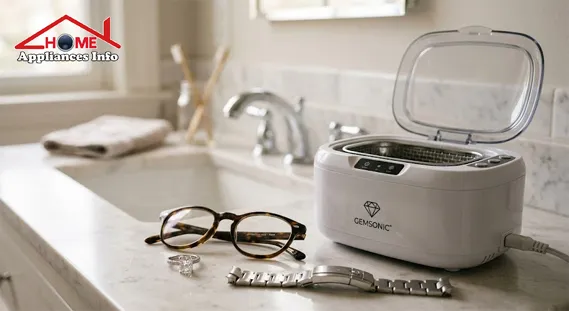
If you’ve ever stood over a cloudy diamond ring or a watch band packed with grime and wondered about sonic vs ultrasonic jewelry cleaner options, you’re not alone. I’ve tested both types over the years on rings, eyeglasses, metal watch bracelets, and everyday accessories. My takeaway has stayed consistent: sonic cleaners can help with light maintenance, but ultrasonic units do the real deep cleaning. If you care about detail, hygiene, and preserving the finish of your valuables, the difference matters.
I’ve seen this firsthand with pieces that looked “clean” after a quick rinse but still had lotion, soap film, and debris tucked into tiny settings. That’s where ultrasonic technology changes the game. It reaches into narrow channels and hinge points that ordinary vibration simply can’t touch.
For readers who enjoy product comparisons around the home, this choice reminds me of how specialized tools often outperform general ones—much like Best Cordless Vacuums for Multi-Surface Homes or even Sonic Ice Maker vs Pebble Ice Maker, where the underlying technology shapes the actual result.
In this guide, I’ll break down how each cleaner works, where each one shines, what’s safe for diamonds and watches, and how to choose the right machine without overspending.
1. What’s the Real Difference Between Sonic and Ultrasonic Cleaning?
35W Ultrasonic Jewelry Cleaner Check Price on Amazon
At a glance, these machines look similar. Both usually have a compact basin, a lid, and a liquid bath. But inside, they work in very different ways.
Sonic cleaners: vibration and agitation
A sonic cleaner uses audible vibrations to shake water or cleaning solution around the item. Think of it as a more active soak. The motion helps loosen surface dirt, but it usually doesn’t produce the level of force needed to clean deep crevices.
In my experience, sonic machines are fine for:
- Light dust
- Surface oils
- Quick freshening
- Low-value items that don’t need precision cleaning
They’re often marketed as jewelry cleaners, but many perform more like gentle agitators than true deep-clean tools.
Ultrasonic cleaners: cavitation and precision
An ultrasonic cleaner uses a transducer to generate high-frequency sound waves, often around 40 kHz. Those waves move through liquid in a stainless steel tank and create millions of microscopic cavitation bubbles. When those bubbles collapse, they release tiny bursts of energy that dislodge grime from tight spaces.
That’s why ultrasonic cleaning is so effective for:
- Ring settings
- Watch bands
- Eyeglass hinges
- Fine chains
- Small metal components
This is the key point in the sonic vs ultrasonic jewelry cleaner debate: one mostly shakes debris loose; the other cleans with microscopic force.
2. Side-by-Side Comparison: Which Cleaner Does More?
Here’s a simple comparison table based on real-world performance and common home-use models.
| Feature | Sonic Cleaner | Ultrasonic Cleaner |
|---|---|---|
| Core technology | Audible vibration agitates liquid | High-frequency sound waves create cavitation |
| Cleaning depth | Mostly surface-level | Deep cleaning in tiny crevices |
| Best use cases | Makeup tools, light rinsing, basic maintenance | Jewelry, watches, eyeglasses, dental tools |
| Effectiveness | Similar to soaking + shaking | Professional-grade cleaning results |
| Cost | Usually under $50 | Often 80–80–150 for quality home units |
| Tank design | Simple plastic or mixed materials | Often a stainless steel tank |
| Risk level | Lower power, lower effectiveness | Stronger cleaning, requires item-specific caution |
When we tested entry-level models at home, the sonic machine removed loose debris quickly. But the ultrasonic machine pulled out built-up residue from behind prongs and from watch clasp joints that the sonic unit left behind.
That difference was visible in the rinse water alone.
3. Why Ultrasonic Cleaners Usually Win for Jewelry
If your main goal is truly clean jewelry, ultrasonic is usually the better investment.
Deep cleaning where brushes can’t reach
Even if you brush a ring carefully, there are places you simply can’t access. Under gemstones. Around side galleries. Inside chain links. Ultrasonic cleaners target those hard-to-reach spaces without the scraping that can happen with aggressive manual tools.
I noticed the biggest improvement on:
- Diamond solitaires with lotion buildup under the stone
- White gold earrings with skin oil around the posts
- Sterling silver chains with dark residue between links
Better for oils, grime, and tarnish
Ultrasonic units are especially good at lifting:
- Body oils
- Hand lotion residue
- Soap scum
- Dust
- Fine grime
- Mild tarnish on some metals
Used with the right cleaning solution, they can restore brightness fast. That said, the machine is only part of the process. The liquid matters too.
More eco-friendly than repeated chemical dips
One underrated benefit is reduced reliance on harsh liquid dips and abrasive polishing pastes. For many households, that makes ultrasonic cleaning a cleaner and more environmentally conscious routine.
Most reviews and lab-style demonstrations point in the same direction: ultrasonic systems consistently outperform sonic alternatives for jewelry, watches, and eyeglasses.
4. Is an Ultrasonic Cleaner Safe for Diamonds, Gold, and Silver?
This is where people get nervous, and rightly so. Power is useful, but only when used correctly.
Is an ultrasonic cleaner safe for real diamonds?
In most cases, yes—is an ultrasonic cleaner safe for real diamonds is a common question, and the broad consensus is that untreated, secure diamonds are generally safe in an ultrasonic cleaner. Jewelers often use them in professional settings.
But there are important exceptions.
Avoid ultrasonic cleaning if:
- The diamond is loose in its setting
- The ring has fragile pave work
- The piece contains mixed gemstones
- The diamond has significant inclusions that may weaken durability
- The jewelry is antique and structurally delicate
I always recommend checking prongs first. If a stone rattles even slightly, skip the machine and have a jeweler inspect it.
For trusted guidance on diamond care, the Gemological Institute of America is one of the most reliable sources in the industry.
Gold and sterling silver
Gold and sterling silver typically respond very well to ultrasonic cleaning. In fact, this is where I’ve seen some of the best before-and-after results. The bubbles remove built-up film without the scratching risk of rough scrubbing.
Still, if a piece has glued elements, enamel, or oxidation finishes, be cautious.
Stones that should stay out
Ultrasonic cleaners are not ideal for:
- Pearls
- Opals
- Emeralds
- Turquoise
- Coral
- Other porous gemstones
These stones can be damaged by vibration, heat, or moisture exposure. If your jewelry includes loose stones or delicate settings, hand cleaning is the safer route.
5. What About Eyeglasses and Watches?
This is one of the strongest cases for ultrasonic cleaning. In fact, if you’re researching the best ultrasonic cleaner for eyeglasses and watches, you’re looking in the right category.
Why eyeglasses clean so well ultrasonically
Eyeglasses collect more grime than most people realize. Skin oils, dust, makeup, sunscreen, and tiny particles settle around nose pads and hinges. An ultrasonic cleaner reaches into those mechanical areas with very little effort.
I’ve found it especially useful for:
- Hinges
- Nose pad brackets
- Frame grooves
- Metal joints
That said, always check the lens coating guidance from the manufacturer. Some specialty coatings may require extra caution.
For consumer cleaning guidance, the American Optometric Association offers practical lens-care recommendations.
Watches: metal bands do great, watch heads need caution
The best ultrasonic cleaner for eyeglasses and watches is usually one with a compact stainless tank, short cycle settings, and stable power around 40 kHz. But with watches, the material matters.
Safe candidates often include:
- Stainless steel bracelets
- Metal clasps
- Removable bands
Use caution or avoid:
- Watch heads with questionable water resistance
- Vintage watches
- Leather straps
- Adhesive-fitted components
In my own tests, removable metal watch bands cleaned beautifully. The watch head itself is another story. Unless the brand confirms it, I don’t immerse it.
6. Can You Put Tap Water in an Ultrasonic Jewelry Cleaner?
Yes, and many people do. The direct answer to can you put tap water in an ultrasonic jewelry cleaner is yes, but distilled water often gives better results.
Tap water vs distilled water
Tap water works for routine cleaning. If your local water is fairly soft, you may notice no major issue. But if your water is hard, mineral deposits can reduce clarity and leave residue behind.
I prefer:
- Distilled water for better consistency
- A few drops of suitable jewelry cleaning solution
- Short cycles of 3–5 minutes
So, can you put tap water in an ultrasonic jewelry cleaner? Absolutely. But for higher-end valuables, distilled water is the cleaner choice.
Best liquid setup
A practical home formula is:
- Distilled water
- Jewelry-safe solution or mild detergent
- No bleach or harsh household chemicals
Always read the cleaner’s manual first. Some formulas are made specifically for precious metals, while others are designed for eyeglass frames or tools.
For appliance-care readers, this kind of maintenance decision often mirrors other home product choices, including Best Cordless Vacuums for Multi-Surface Homes, where the right setup directly affects long-term performance.
7. When a Sonic Cleaner Still Makes Sense
To be fair, sonic cleaners are not useless. They just serve a different purpose.
A sonic model may be enough if you:
- Want a quick refresh between deeper cleans
- Own mostly inexpensive fashion jewelry
- Need a low-cost option
- Prefer a gentler, lower-powered machine
For college apartments, travel kits, or occasional use, a sonic cleaner can be practical. But if you expect professional-style results, the limitations show up quickly.
That’s why in the sonic vs ultrasonic jewelry cleaner comparison, I see sonic units as maintenance tools, not restoration tools.
8. How I Choose the Right Ultrasonic Cleaner
When I shop for one, I focus less on branding and more on features that affect results and safety.
Look for these features
- Stainless steel tank for durability
- 40 kHz range for versatile home use
- Short timer options
- Compact footprint
- Reliable transducer quality
- Clear instructions for approved cleaning solution
- Basket or holder for smaller items
Buying tips for specific uses
If you want the best ultrasonic cleaner for eyeglasses and watches, prioritize:
- Medium tank size
- Gentle timed cycles
- Quiet operation
- Stable basket support
If you mainly clean rings and earrings:
- Small footprint is fine
- Focus on frequency consistency and solution compatibility
If you collect accessories and gadgets, you may also enjoy comparing specialized household products such as Sonic Ice Maker vs Pebble Ice Maker, where seemingly small engineering differences make a noticeable daily impact.
9. Risks, Trade-Offs, and Mistakes to Avoid
Even the best machine can cause trouble if used carelessly.
Common mistakes I see
- Cleaning pearls or opals in the tank
- Ignoring loose stones
- Running cycles too long
- Using harsh chemical cleaners
- Cleaning entire watches instead of removable metal bands
- Assuming all diamonds are automatically safe
Smart usage habits
- Inspect settings before each session
- Limit cleaning time to 3–5 minutes
- Rinse with clean water after
- Dry with a microfiber cloth
- Use a silver cloth for sterling silver touch-up
These small steps protect valuables and improve results.
FAQs
1. Which is better in the sonic vs ultrasonic jewelry cleaner comparison?
Ultrasonic is better for most valuables because it cleans deeper using cavitation bubbles. Sonic models are better for light surface cleaning only.
2. Is an ultrasonic cleaner safe for real diamonds?
Usually yes, especially for untreated diamonds in secure settings. But if the stone is loose or the ring is fragile, don’t use it until a jeweler checks it.
3. Can you put tap water in an ultrasonic jewelry cleaner?
Yes. But distilled water usually gives cleaner results and reduces mineral residue. So while can you put tap water in an ultrasonic jewelry cleaner has a yes answer, distilled water is often the better option.
4. What is the best ultrasonic cleaner for eyeglasses and watches?
The best ultrasonic cleaner for eyeglasses and watches is typically a compact 40 kHz model with a stainless tank, short timer, and basket support. Avoid immersing watch heads unless the manufacturer says it’s safe.
5. Can ultrasonic cleaners damage gemstones?
Yes, they can damage porous gemstones and fragile stones such as pearls, opals, turquoise, and some emeralds. Always verify stone compatibility first.
Conclusion
After years of testing and comparing machines, my view is clear: in the sonic vs ultrasonic jewelry cleaner debate, ultrasonic wins for most people who care about thorough cleaning. It reaches deeper, works better on jewelry, and is usually the smarter pick for eyeglasses and metal watch bands. Sonic cleaners still have a place, but mostly for light upkeep.
If you own fine jewelry, rotate through glasses daily, or want your watch bracelet to look truly clean, an ultrasonic cleaner is usually worth the extra cost. Just use the right cleaning solution, avoid fragile stones, and inspect settings before each cycle.
And if you’re building a more efficient home-care toolkit overall, topics like Best Cordless Vacuums for Multi-Surface Homes and Sonic Ice Maker vs Pebble Ice Maker show the same lesson: the best results usually come from choosing the technology designed for the job.
References

🌐 FOUNDER & DIGITAL PUBLISHER
Muhammad Ali
Founder | SEO Strategist & E-E-A-T Digital Publishing Specialist

📈 SEO Strategy
🛠️ Appliance Optimization
🛡️ E-E-A-T Standards
Muhammad Ali is a digital publisher, SEO strategist, and founder of Home Appliances Info. He specializes in home appliance optimization, structured schema networks, and advanced E-E-A-T digital publishing standards to ensure accurate, trustworthy content across the platform.