


To support our research and detailed appliance reviews, we may earn a small commission from qualifying purchases made through our links, at no extra cost to you. As an Amazon Associate, I earn from qualifying purchases.
To support our research and detailed appliance reviews, we may earn a small commission from qualifying purchases made through our links, at no extra cost to you. As an Amazon Associate, I earn from qualifying purchases.
The dining table shapes your daily health more than many people realize.
It is where you eat, talk, unwind, and reconnect after long days.
The right design can:
- Encourage slower, calmer meals.
- Support better posture and digestion.
- Reduce stress and clutter.
- Strengthen family connection and emotional health.
The wrong setup, however, can lead to rushed eating, discomfort, and tension.
This guide shares 10 beautiful, practical table ideas that also support wellbeing.
You will see options for a round dining table, oval dining table, flexible extendable dining table designs, and smart sets for different family sizes.
Each idea focuses on real life:
- How you sit.
- How you move.
- How your home actually feels day to day. 💛
1. Round Dining Table for Connection and Calmer Meals
A round dining table is more than a styling choice.
Its shape supports emotional and social health at every meal.
Why round shapes feel healthier
Round tables:
- Remove sharp corners, reducing bump risks.
- Make it easier to see everyone’s face.
- Help conversations flow more naturally.
Seeing each person clearly can:
- Encourage more eye contact.
- Invite quieter family members to speak.
- Reduce “sides” or tension during tough talks.
Best for small and medium rooms
A round design suits:
- Square rooms.
- Tight corners where sharp edges feel risky.
- Homes with kids who run through the space.
Choose stable, wide bases to reduce wobble.
Pair it with supportive chairs that keep hips and knees at right angles.

2. Oval Dining Table for Smooth Movement and Safer Flow
An oval dining table offers many benefits of both round and rectangular designs.
It supports smooth movement and a calmer visual feel.
Health benefits of softer edges
Oval tables:
- Eliminate sharp corners that can bruise hips or legs.
- Create a more gentle visual line, which can feel less stressful.
- Still provide generous serving space.
If you have children, older adults, or anyone with mobility challenges, fewer hard edges reduce injury risk in tight rooms.
Great in narrow dining areas
Oval shapes work well in:
- Long, narrow rooms.
- Combined living–dining spaces.
- Open-plan apartments with busy walkways.
You gain:
- Enough length for more people.
- Enough width for shared dishes.
- Easier circulation around the table, so no one feels trapped.
For many families, this shape balances style and safety beautifully. ✨
3. Extendable Dining Table for Flexible, Stress‑Free Hosting
An extendable dining table can protect your back, your stress levels, and your budget.
Why flexibility supports health
With an extendable design, you can:
- Keep the table compact most days, reducing clutter.
- Extend it only when guests visit.
- Maintain clear walking paths, lowering trip risks.
Crowded spaces push chairs too close together.
That can force twisted sitting positions and awkward reaching, frustrating digestion and comfort.
Being able to extend the surface when needed:
- Gives each person more elbow room.
- Makes serving and sharing easier.
- Reduces the tension that comes from feeling cramped.
Health-friendly choices for extendable designs
Look for:
- Smooth extension mechanisms to avoid strain.
- Leaves that store safely, without heavy lifting.
- Stable legs that do not wobble when expanded.
Match the extended length to your real hosting style.
If you often serve large family meals, plan clear chair space in advance.
4. Small Dining Table Solutions for Tiny Spaces 🏡
A small dining table can still support excellent health habits.
Even in studios or compact kitchens, you deserve a supportive eating zone.
Protect your posture in small spaces
Common small-space issues include:
- Sitting on stools that are too high.
- Hunching over a low coffee table.
- Eating on the sofa with a twisted spine.
Over time, these habits can cause:
- Neck and shoulder pain.
- Back discomfort.
- Less mindful, more rushed eating.
Instead, choose a compact table with:
- Height close to 28–30 inches.
- Chairs that keep feet flat on the floor.
- Enough depth for a plate, glass, and relaxed arms.
Wall-mounted drop-leaf tables can also work.
Just ensure you pair them with a stable, supportive chair or bench.
Space-smart bench seating
Benches can:
- Slide under the table when not used.
- Offer flexible seating counts.
- Encourage a more social feel.
Add cushions with firm support.
Soft yet supportive seating helps you sit upright longer without fatigue.
IMAGE PROMPT: Compact city apartment corner with a small dining table set for 2–3 people, bench seating on one side, ergonomic chair on the other, plants near a window, and simple, healthy food on the table.
5. Dining Table Set for 4: Building a Mindful Eating Zone
A dining table set for 4 suits many couples, small families, or roommates.
This size can become a powerful anchor for mindful eating habits.
Why four seats feel balanced
With four place settings, you usually have:
- Enough space for each person’s plate and drink.
- Room for a shared salad or main dish.
- A table size that fits in many apartments.
This balance supports calmer meals.
Everyone can reach food easily without leaning dangerously or twisting their torso.
Turn your table into a health-supporting ritual
To make a set for four more health-focused:
- Keep the surface mostly clear between meals.
- Store work items away at dinner.
- Use soft, warm lighting during mealtime.
You can also:
- Place a small plant or bowl of fruit at the center.
- Keep napkins handy to reduce messy stress.
- Create a gentle “no phone” agreement at the table.
Practicing mindful eating at your table can improve digestion and satisfaction.
You notice flavors more and often feel full with less food.
6. Dining Table Set for 6: Supporting Family Bonds and Kids’ Health
A dining table set for 6 can be a health investment, not only a design choice.
Larger tables invite more people to share daily life.
Health benefits of shared meals
Regular shared meals are linked with:
- Better fruit and vegetable intake in children.
- Lower risk of disordered eating in teens.
- Stronger emotional bonds and communication.
With six seats, you can welcome:
- Extended family.
- Friends who feel like family.
- Children’s friends, building social skills.
The key is not perfection, but consistency.
Even three shared dinners a week can matter for wellbeing.
Make a set for 6 feel calm, not chaotic
To keep a larger table health-focused:
- Avoid overloading it with decor.
- Use placemats to define each person’s space.
- Ensure chairs allow feet to rest flat, especially for kids.
You can also add soft chair pads for longer, more relaxed conversations.
Comfort supports deeper connection.
7. Natural Materials and Low-Toxin Finishes for Better Air Quality 🌿
The surface you eat on also affects what you breathe.
Choosing low-toxin materials supports long-term health.
Health-friendly table materials
Consider:
- Solid wood with low-VOC or water-based finishes.
- Certified low-emission engineered wood.
- Glass tops combined with stable, non-toxic bases.
High levels of certain chemicals can irritate airways.
They can also worsen headaches in sensitive people.
Look for labels mentioning:
- Low VOC (volatile organic compounds).
- Water-based finishes.
- Third-party air-quality certifications, when available.
Easy-to-clean surfaces reduce germs
Smooth, sealed surfaces support hygiene.
They make it easier to:
- Wipe spills quickly.
- Disinfect after illness.
- Avoid trapped food in deep cracks.
Just avoid harsh cleaners when possible.
Gentler, fragrance-free options protect both your lungs and your table finish.
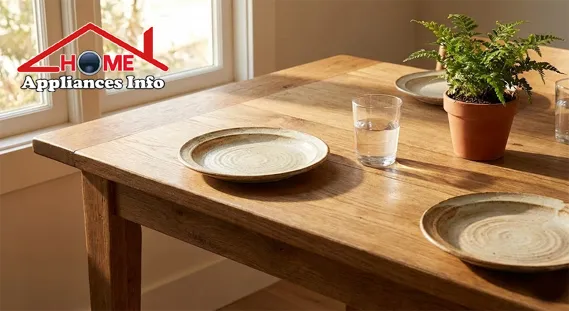
8. Ergonomic Chairs and Table Height: Protecting Your Spine
Even the most stylish table fails if sitting there hurts.
Ergonomics is central to a health-supporting eating space.
Ideal sitting position at the table
Aim for:
- Feet flat on the floor.
- Knees at roughly 90 degrees.
- Hips level with or slightly above knees.
- Forearms able to rest lightly on the tabletop.
When the surface is too high, shoulders lift and tense.
When too low, you hunch forward and strain your neck.
A standard height works for many adults, but not all.
Shorter adults and children may need cushions or footrests.
Choose chairs that match your body
Supportive chairs should:
- Have a firm, comfortable seat.
- Provide some back support at the lower spine.
- Allow you to sit close enough without twisting.
If you already own a table you like, adjust chairs first.
Sometimes a simple seat cushion can greatly improve comfort.
9. Lighting, Noise, and Layout: Creating a Calm Mealtime Environment ✨
Your table does not stand alone.
The surrounding environment shapes how your nervous system responds to meals.
Light that supports mood and digestion
Whenever possible, place the table near natural light.
Daylight helps:
- Regulate circadian rhythms.
- Support vitamin D (if sunlight hits skin).
- Lift mood during darker seasons.
In the evening:
- Use warm, softer bulbs over the table.
- Avoid harsh overhead glare.
- Consider a dimmer to shift from work mode to rest.
This gentle transition helps your body understand it is time to slow down.
Your nervous system then supports healthier digestion.
Reduce noise and visual stress
Around your eating space, try to:
- Keep TV volume low or off.
- Limit clutter on nearby shelves.
- Use soft textiles, like a rug or curtains, to reduce echo.
A calmer sensory field makes it easier to tune into hunger and fullness.
You may find you overeat less when you feel truly relaxed.
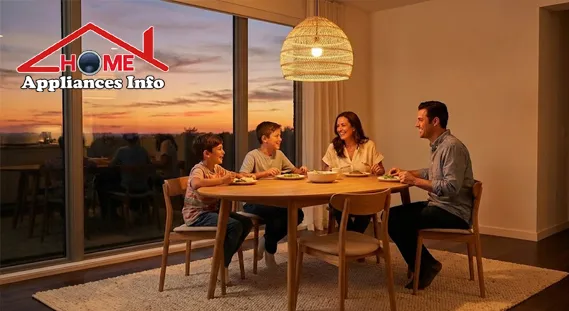
10. Layout for Movement: Leave Room to Breathe and Stretch
Your dining table should never trap you.
Healthy movement around it is just as important as the surface itself.
Allow enough walking space
Aim for at least:
- 30–36 inches between table edge and wall or furniture.
- Enough room to pull out chairs comfortably.
Tight spaces force people to:
- Twist awkwardly when sitting.
- Squeeze sideways with plates or hot dishes.
- Feel tense or rushed during meals.
If your room is small:
- Choose narrower chairs.
- Use benches that slide under the table.
- Consider a round or oval design to soften traffic paths.
Plan for stretching and posture breaks
Especially during long gatherings, it helps to:
- Encourage short standing breaks.
- Invite people to gently stretch their back or neck.
- Clear dishes in stages, so people naturally move.
Movement reduces stiffness and supports circulation.
Your table becomes a place not just to eat, but to feel physically better.
Quick Shape and Size Guide for Health-Friendly Tables
Here is a simple overview to connect shapes, sizes, and health benefits.
| Table Type | Best For | Health-related Benefits |
|---|---|---|
| Round dining table | Small–medium rooms, social focus | Better eye contact, fewer sharp corners |
| Oval dining table | Narrow rooms, busy walkways | Easier movement, reduced bump risk |
| Extendable dining table | Flexible hosting, multi-use spaces | Less clutter daily, more space when guests arrive |
| Small dining table | Studios, compact kitchens | Supports posture in tight rooms, avoids sofa eating |
| Dining table set for 4 | Couples, small families | Encourages regular shared meals, mindful portions |
| Dining table set for 6 | Larger families, frequent hosting | Supports social connection and family traditions |
Use this as a starting point.
Then add your own needs, bodies, and routines.
Frequently Asked Questions
1. What table shape is healthiest for a small home?
For many small spaces, a round dining table or small oval works best.
These shapes:
- Soften corners.
- Improve circulation.
- Reduce bruise risks in tight rooms.
They also make conversation easier, which supports emotional health.
2. How high should my table be for comfortable posture?
Most adults do well with a table around 28–30 inches high.
Pair it with chairs that allow:
- Feet flat on the floor.
- Knees at roughly 90 degrees.
- Elbows bent comfortably when holding utensils.
If you are shorter or taller than average, use cushions or choose custom heights.
3. Is a bench or chair better for my back?
Both can work if they support your spine.
Chairs often offer more direct back support.
Benches can be healthy when:
- The seat is firm, not sagging.
- Your feet rest flat.
- You can sit upright without leaning far forward.
You can always add a supportive cushion or small lumbar pillow.
4. What size table do I need for four people?
A comfortable dining table set for 4 usually needs:
- Round: about 40–44 inches in diameter.
- Rectangular: about 48 inches long.
These sizes give enough elbow room and center space for a few shared dishes.
5. What about six people?
For a dining table set for 6, consider:
- Round: about 54–60 inches in diameter.
- Rectangular or oval: about 60–72 inches long.
Always check your room dimensions.
Leave enough space to walk behind pushed-out chairs.
6. How can I make my table support healthier eating habits?
Try these simple shifts:
- Keep screens off during meals.
- Serve water at the table by default.
- Place vegetables within easy reach.
- Sit down together as often as possible, even for short meals.
Over time, these small habits can significantly improve health and mood.
Conclusion: Choose a Dining Table That Nourishes Body and Mind 🌱
Your dining table is more than wood, glass, or metal.
It is a daily stage for the rituals that shape your health.
By choosing:
- A round dining table or oval dining table for easier connection.
- A flexible extendable dining table for stress-free hosting.
- A small dining table, dining table set for 4, or dining table set for 6 that truly fits your space.
…you create a setting where:
- Posture improves.
- Digestion feels calmer.
- Family and friends feel welcome and seen.
You do not need a perfect home to enjoy healthier meals.
You need a thoughtful surface, supportive seating, and a calm environment.
Start with one change:
- Adjust chair height.
- Clear clutter from the tabletop.
- Add a plant and softer lighting.
Let your table become a place where your body relaxes, your mind slows down, and your relationships deepen—one shared meal at a time. 💛
1 Comment
Pingback: 10 Brilliant Shoe Rack Ideas to Instantly Transform Your Home Décor