

To support our research and detailed appliance reviews, we may earn a small commission from qualifying purchases made through our links, at no extra cost to you. As an Amazon Associate, I earn from qualifying purchases.
To support our research and detailed appliance reviews, we may earn a small commission from qualifying purchases made through our links, at no extra cost to you. As an Amazon Associate, I earn from qualifying purchases.
Pet hair turns up in places no one expects: folded into a clean towel, woven through a sweater you wore once, drifting across the floor an hour after you vacuumed. The right pet hair cleaner can make that routine far less draining, but no single tool handles every surface well. A rubber broom that rakes fur out of carpet does little for a wool coat, and a lint roller that rescues a blazer clogs within minutes on a sofa.
This guide sorts pet hair cleaners into seven types, explains which surfaces each one suits, and covers the part most roundups skip: what happens when hair ends up in your washing machine. The aim is to help you match the tool to the surface before you spend money on the wrong one.
Why Pet Hair Is So Hard to Remove
Pet hair does not simply rest on fabric. According to the American Kennel Club, dog hair carries static electricity, and each strand has overlapping cuticle layers that act like microscopic barbs, so it grips fibers. Time makes it worse. When a dog or cat lies on a couch, bed, or lap, its weight presses loose hair deeper into the weave.
That is why it helps to separate two problems. Surface hair sits on top of the material and lifts away with a roller or brush. Embedded hair has worked into upholstery, carpet pile, or knitted yarn, and it usually needs friction, agitation, or suction to break it free. Most disappointing results come from using a surface tool on an embedded problem.
What Is a Pet Hair Cleaner, and How Does It Work?
A pet hair cleaner is any tool or appliance designed to lift, gather, or trap shed fur from household surfaces. They work in a handful of ways: adhesive pulls hair off fabric, rubber creates friction that bunches hair into tufts, brush rolls agitate and suction carries hair away, and filters or catchers hold hair so it never settles back down.
Because these mechanisms differ, so do their strengths. Adhesive is gentle but runs out quickly. Rubber is cheap and surprisingly effective on carpet, yet it can snag delicate textiles. Suction handles volume, but only if the brush and filter are kept clear. Understanding the mechanism is the fastest way to predict where a tool will succeed.
7 Types of Pet Hair Cleaner and Where Each One Works
1. Reusable Pet Hair Rollers
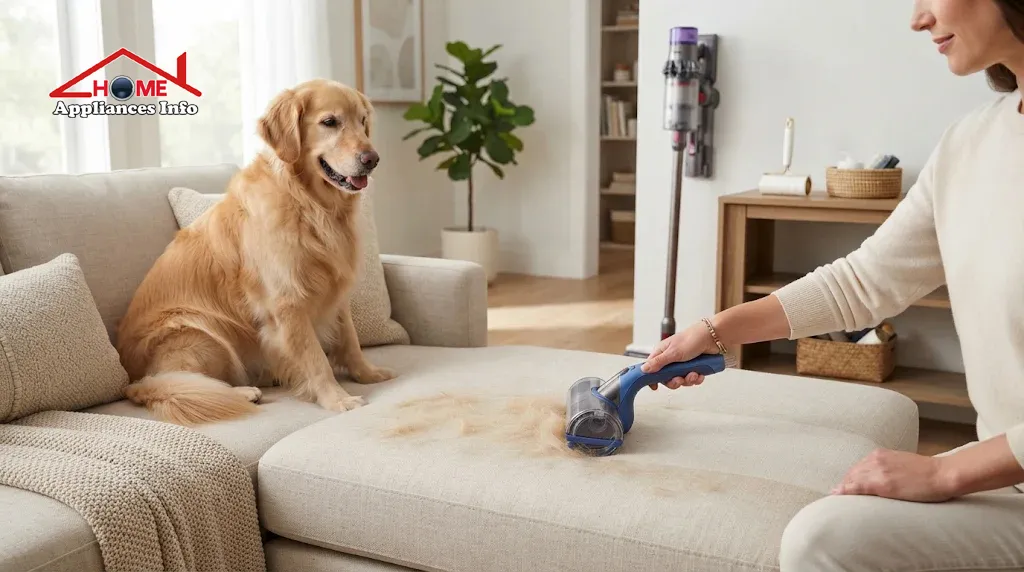
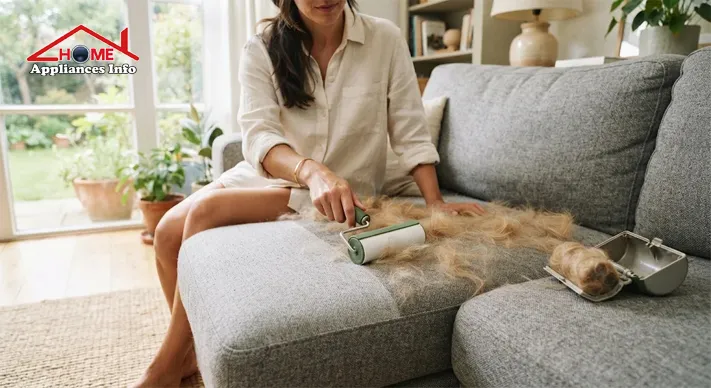
These handheld rollers have no sticky sheets. As you push or roll them across a surface, hair is pulled into a collection chamber that you empty into the trash. A reusable pet hair remover of this kind suits sofas, cushions, throws, and bedding, and it removes the recurring cost of refill sheets.
The trade-offs are speed and finish. Covering a large sectional takes patience, and some models leave fine hair behind on tightly woven or textured fabric. Check the instructions before using one on velvet or other napped materials.
2. Lint Rollers and Garment Brushes
Disposable adhesive rollers remain the quickest option for a jacket, trousers, or a work bag before you leave the house. Reusable versions with a washable adhesive surface exist too, but they need rinsing and full drying to stay tacky. Garment brushes with short, dense bristles work without adhesive and handle wool and heavier fabrics better than tape does.
3. Rubber Gloves and Pet Hair Removal Brushes
A lightly dampened rubber glove, swept across an upholstered surface, bunches hair into clumps you can pull away. A rubber-bristled pet hair removal brush does the same job with a handle and a wider reach. Both cost little and make good first-pass tools, though firm rubber can catch on loose weaves, so a small hidden patch is the safest place to start.
4. Rubber Brooms and Carpet Rakes
These are built for carpet, rugs, and stair runners. The friction between rubber bristles and the pile pulls embedded hair up into piles that are easy to gather. They are often used before vacuuming, since loosened hair is easier for a machine to collect. If your carpet has a looped construction, check the manufacturer’s guidance first, because stiff bristles may catch on some types.
5. Pet Hair Vacuum Cleaners
A pet hair removal vacuum cleaner usually pairs suction with a motorized brush roll. Handheld models suit upholstery and stairs, cordless sticks cover quick daily passes, and upright machines handle larger carpeted areas. Brush roll design matters here, since long hair can wrap around a roll and reduce performance until it is cut free. Filter quality and dustbin size also affect how often you stop to empty and clean the machine.
Some households prefer automation for daily upkeep, and a robot vacuum built for pet hair can keep floors from accumulating fur between deeper cleans, though it will not replace hand tools on sofas.
6. Upholstery and Detailing Tools
Narrow crevice nozzles, soft detailing brushes, and small upholstery heads reach the places larger tools cannot: couch seams, cushion edges, stair corners, and car seats. The AKC lists a detailing tool among its suggestions for hair trapped in couch corners. They rarely work alone, but they finish the job other tools start.
7. Laundry Pet Hair Removers
This category includes reusable catchers that you toss into the wash or dryer, dryer-friendly tools that gather hair from the drum, and washers with filters or dedicated cycles intended to reduce hair. Effectiveness varies widely, and the washing machine section below explains what you can reasonably expect.
Quick Comparison
| Type | Best for | Main limitation | Reusable? |
|---|---|---|---|
| Reusable roller | Sofas, bedding | Slow on large areas | Yes |
| Lint roller or garment brush | Clothes, bags | Sheets run out quickly | Brushes yes; sheets no |
| Rubber glove or brush | Upholstery, small rugs | Can snag loose weaves | Yes |
| Rubber broom or rake | Carpet, stairs | Not for delicate fabric | Yes |
| Pet hair vacuum | Floors, upholstery | Needs filter and brush upkeep | Yes |
| Detailing tool | Seams, cars, corners | Slow for open surfaces | Yes |
| Laundry catcher | Laundry loads | Results vary by machine | Often |
Choosing a Pet Hair Remover for Furniture
For a pet hair remover for furniture, start with the material. Tightly woven upholstery responds well to a reusable roller or damp rubber glove. A pet hair remover for upholstery with a textured weave or loose loops may need a vacuum with a soft upholstery head, because rollers and rubber can skim over hair that has settled deep. Leather is easier. The AKC notes that hair does not embed as deeply there, so a microfiber cloth or duster often gathers it.
Delicate pieces deserve caution. Velvet, silk blends, and anything labeled dry-clean only should be checked against the care tag, and any new tool should be tried on a hidden area first, such as the underside of a cushion.
Choosing a Pet Hair Remover for Clothes
Clothing needs a lighter touch than furniture. A pet hair remover for clothes works best when it matches the fabric: adhesive rollers for smooth cottons and synthetics, short-bristled garment brushes for wool and coats, and a quick pass over a knitted sweater with a gentle, non-snagging tool rather than a rough rubber one. Chunky knits and loosely woven fabrics are the usual victims of aggressive tools.
The dryer can do more than most people expect. Both the AKC and GE Appliances suggest tumbling hairy items in the dryer on an air-only cycle before washing, which loosens hair and moves much of it into the lint trap. For everyday wear, keeping a lint roller by the door catches the last few strands before they travel with you.
Choosing a Pet Hair Remover for Carpet
A pet hair remover for carpet should do two things: release embedded hair, then collect it. That is why rubber brooms and carpet rakes pair so well with vacuums. Raking loosens the fur into rows, and a vacuum with a motorized brush roll lifts it away. Pressing a vacuum against unprepared, densely packed pile often moves less hair than people assume.
Regular passes matter more than a single heroic session. The AKC notes that routine maintenance keeps fur from becoming deeply packed into carpet and makes later cleaning easier. When suction fades or the brush stops turning, hair buildup is a common suspect, and these vacuum cleaner repair fixes cover clogs, belts, and filters that are worth checking before you replace the machine.
Hair removal and deep cleaning are different jobs. Once the fur is gone, odors or stains left by pets may call for a dedicated carpet cleaner, which handles soil that no rake or vacuum will.
🔴 IMAGE PROMPT: “Overhead editorial photo of a cream-colored carpet in a hallway, split diagonally. On one side, a rubber carpet rake has pulled embedded gray cat fur into neat ridges; on the other side, a cordless pet vacuum with a visible brush roll has already cleared the pile. Bright, even daylight, clean modern home setting, realistic detail on carpet fibers, no text or logos.” 🟢 Alt Text: “A rubber carpet rake gathering gray cat fur into ridges beside a cordless vacuum that has already cleaned a section of cream carpet” 🟢 CAPTION: “Raking first loosens embedded fur so the vacuum can collect it more completely.”
Pet Hair Cleaner for Washing Machine: What Helps and What Doesn’t
Pet hair and washers are an awkward pairing. Consumer Reports explains that water and hair form wet clumps that cling to fabric and drum surfaces and can clog drain pumps. That is why the most useful pet hair cleaner for washing machine use is often the one you apply before the cycle starts.
Remove Hair Before Washing
GE Appliances recommends placing hair-covered items in the dryer first for a 10-minute no-heat Air Fluff cycle, then washing and drying as usual, a tip outlined on its pet hair left in the washer support page. Shaking items out and running a roller or brush over them first reduces the load on the machine further. Pet bedding and blankets are best washed separately from clothing.
Do Catchers and Special Cycles Work?
A washing machine pet hair catcher, usually a reusable pouch, ball, or mesh that collects loose hair during a cycle, may help, but results depend on the hair type, the load size, and the machine. Treat them as a helpful extra rather than a guarantee that every strand disappears. Some washers also include dedicated pet hair cycles or built-in filters. Here the evidence is mixed: in one Consumer Reports comparison, a washer’s Pet Pro cycle removed hair no better than skipping the cycle, while increasing cycle time and water use. Another comparison in the same piece found an older front-load washer removing more hair than the machines advertised for the task.
Built-in filters work only if they are used correctly. Manufacturer support pages for pet-focused washers advise installing the filter, emptying it, and avoiding overloaded drums, since clothes need room to move. Always check your own appliance manual before adding accessories or changing how you run loads.
Protect the Machine
Hair that ends up in the drum is easier to remove dry. After laundering heavy loads such as pet bedding, run an empty cycle if your manual allows it, then wipe the drum with a damp cloth or let it dry and vacuum with a soft attachment. Never rinse large amounts of hair down the drain, since clumped fur is exactly what causes blockages. If your washer stops draining mid-cycle, drain-related error codes like LG’s OE are worth understanding, because hair in the pump filter is a plausible cause.
If you are replacing a machine anyway, this washing machine buying guide can help you compare general features before you weigh pet-specific extras.
🔴 IMAGE PROMPT: “Close-up editorial photo inside a laundry room: a front-load washer door open, with a woman’s hand lifting a small reusable hair-catching pouch from the drum, a few clumped strands of dog hair visible on its surface. A neatly folded stack of towels and a lint-filled dryer trap sit blurred in the background. Soft, neutral lighting, realistic detail, no text or logos.” 🟢 Alt Text: “A hand lifting a small reusable hair-catching pouch with clumped dog hair from the open drum of a front-load washing machine” 🟢 CAPTION: “Laundry hair catchers can collect loose strands, but removing hair before washing still does most of the work.”
Buying Considerations Before You Choose
Before buying, weigh a few practical points rather than headline claims:
- Surface match: List the surfaces you clean most, such as a fabric sofa, stairs, or clothes, and start with the tool that suits those.
- Cleaning effort: Reusable rollers and rakes save money but need emptying. Vacuums need filter and brush upkeep.
- Material compatibility: Delicate fabrics tolerate gentle tools better, and hidden-area tests reduce risk.
- Storage and durability: A tool you can keep in sight gets used more often than one stored in a closet.
The best pet hair removal tools are usually a small combination: one roller or brush for quick touch-ups, one carpet tool, and a vacuum with the right attachments. Grooming your pet regularly also reduces how much hair reaches your home in the first place, and the AKC notes that professional grooming can remove large amounts of loose undercoat.
Frequently Asked Questions
Can an ordinary vacuum remove embedded pet hair? Sometimes. A standard vacuum without a motorized brush may skip hair that is pressed into fibers. A machine with a brush roll, or a vacuum used after a rubber broom or rake, usually does better.
Are reusable rollers better than disposable lint rollers? They serve different jobs. Reusable rollers suit sofas and bedding with less waste, while disposable sheets are faster for clothing and bags. Many homes keep both.
Can a washing machine remove pet hair by itself? Not reliably. Washing can leave hair on clothes and in the drum, and wet hair clumps can stress drain components. Removing hair beforehand and using a no-heat dryer cycle first gives better results.
Do washer hair catchers actually work? They can collect some loose hair, but they are not a guaranteed fix. Load size, fabric, and hair type all affect results.
Will an air purifier help with pet hair? It targets airborne particles such as dander, not hair settled on surfaces. If lingering dander is a concern, this guide to air purifiers for a healthier home explains what to look for, though you will still need physical tools for hair.
Conclusion
No single pet hair cleaner works on everything. Reusable rollers and gloves suit furniture, lint rollers and brushes suit clothes, rubber rakes and vacuums suit carpet, and hair removed before laundry protects both your clothes and your washer. Start with your most frustrating surface, choose the tool built for it, and test it on a hidden area before committing. A small set of well-matched tools will do more than any one all-purpose gadget.
References
- American Kennel Club, “How to Remove Dog Hair From Everything” (akc.org/expert-advice/home-living/how-to-remove-dog-hair/)
- GE Appliances, “Washer – Pet Hair Left in the Washer” (products.geappliances.com/appliance/gea-support-search-content?contentId=17946)
- Consumer Reports, “Don’t Let Pet Hair Ruin Your Washer” (consumerreports.org/washing-machines/dont-let-pet-hair-ruin-your-washer/)

📱 SMART HOME TECHNOLOGY CONSULTANT & IOT SPECIALIST
Alfredo Torres
Technology Consultant | Smart Home Automation & IoT Specialist (Lima, Peru)

🌐 Matter Protocol & IoT
⚡ Energy Efficiency
🛠️ Future-Proofing Infrastructure
Alfredo Torres is a seasoned technology consultant based in Lima, Peru, specializing in the integration of next-generation IoT ecosystems and smart home automation. With over a decade of experience navigating the rapidly evolving tech landscape of the Global South, Alfredo brings a unique, practical perspective to homeappliancesinfo.com.
As a specialist in the 2026 Matter protocol rollout, Alfredo focuses on bridging the gap between legacy household infrastructure and modern connectivity standards. His consulting work centers on “future-proofing” homes—helping users select appliances that offer maximum durability, energy efficiency, and cross-platform compatibility without the burden of “app fatigue.”
Alfredo’s expert insights are grounded in real-world problem solving, from optimizing smart kitchen workflows to implementing cost-effective home maintenance solutions in emerging markets. When he isn’t benchmarking the latest AI-integrated appliances, he can be found exploring the intersection of sustainable architecture and digital living.